Sumo Wrestling Tickets Tokyo Logo
English| USD
Suggested for you
More currencies
Book Now
Open today · 08:45–18:00

Sumo Wrestling Tickets Tokyo

Sumo Wrestling Tickets Tokyo — Ryōgoku Kokugikan Reserved Seats

Watch rikishi compete beneath the suspended roof, centuries of ritual unfolding in minutes

4.9 /5 · 2,400 reviews
25K+ travelers chose this
Free Cancellation
Right now: Moderate — autumn tournament season Arrive by 14:00 to catch the top-division ceremonies.
3-4 hours
1 Languages
Up to 11,098
Free Cancellation
Instant confirmation Mobile voucher Free cancellation Verified partner Skip-the-line
Choose your ticket

Sumo Wrestling Tickets Tokyo tickets at a glance

Compare fares, pick the fit — all bookings are mobile-voucher and eligible for free cancellation where shown.

Asakusa Sumo Show with Chanko Hot Pot & Geisha Performance 2 hr
Standard Entry

Asakusa Sumo Show with Chanko Hot Pot & Geisha Performance

4.8 (8404)
$101
  • Entry ticket
  • Mobile voucher
  • Valid same day
  • Free cancellation
Book this ticket
Sumo Show & Chanko Meal at Historic Tokyo Stable 1 hr 30 min
Standard Entry

Sumo Show & Chanko Meal at Historic Tokyo Stable

4.8 (3584)
$64
  • Entry ticket
  • Mobile voucher
  • Valid same day
  • Free cancellation
Book this ticket
Compare options

Understanding Sumo Wrestling Tickets Tokyo: Seat Types and Tiers

Selecting the right sumo wrestling tickets tokyo requires understanding the layout of the Ryōgoku Kokugikan arena. Whether opting for traditional floor seating or elevated perspectives, each category offers a distinct way to experience this cultural landmark.

Masuseki (Box Seats) Floor Level Top pick
Chair Seats Balcony Level
Seat Category Box seats (Masuseki)
Viewing Experience Close proximity to ring
Capacity/Size Groups of 1 to 4
Access Level Ground floor entry
Best for Authentic group experience

Verdict: For those securing sumo wrestling tickets tokyo tours, balcony chair seats provide the most accessible viewing experience for a first-time visitor.

Is Investing in Sumo Wrestling Tickets Tokyo Worth the Cost?

Worth it for cultural immersion seekers

Attending a live tournament at Ryōgoku Kokugikan delivers an experience television cannot replicate. Chair seats start at 2,500 JPY, offering accessible entry to witness centuries-old rituals—the dohyo-iri ring-entering ceremony, salt-throwing purification, and the thunderous collision of rikishi. Premium box seats (masu-seki) escalate quickly to 38,000+ JPY for four people, pricing out budget travelers. The atmosphere justifies sumo wrestling tickets tokyo for those prioritizing cultural depth: you'll hear the referees' calls, smell the chanko stew wafting from the venue's restaurant, and feel the floor vibrate during bouts. Lower-division matches begin at 08:45, rewarding early arrivals with six hours of action before top-division wrestlers appear at 15:00. Casual fans may find streaming sufficient, but being present for the yokozuna's bow-twirling ceremony and post-match interviews creates memories no screen can substitute. The venue itself—a sumo museum, championship banners, retired wrestlers serving as ushers—deepens the investment beyond mere sport.

What makes it worth it

  • Live atmosphere amplifies traditional ceremonies and rituals
  • Chair seats offer affordable cultural access at 2,500 JPY
  • Early arrival grants six hours of lower-division matches
  • Proximity to rikishi reveals athleticism television minimizes
  • Onsite museum and chanko dining complete the experience

Keep in mind

  • Box seats exceed 38,000 JPY for groups of four
  • Top-division action concentrates in final two hours only
  • Tournament schedules limit availability to six annual periods
  • English commentary absent during live bouts

Bottom line: Sumo wrestling tickets tokyo justify their cost when you treat attendance as cultural education, not passive entertainment.

Featured Experiences

Popular Sumo Wrestling Tickets Tokyo tours & activities

Hand-picked experiences loved by thousands of travelers

Recommended Experience

Powered by GetYourGuide

Another traveler favorite

Powered by GetYourGuide
Shibuya Sumo Wrestling Show with Ring Challenge & Photos 1 hour 10 minutes Free Cancellation

Shibuya Sumo Wrestling Show with Ring Challenge & Photos

Watch professional wrestlers perform, step into the ring yourself, and snap photos with champions

5 (1822)
FromFrom $59.63
See details
Ginza Live Sumo Show with Retired Wrestlers 1 hour 30 minutes Free Cancellation

Ginza Live Sumo Show with Retired Wrestlers

Watch former professional sumo wrestlers perform traditional bouts and rituals in central Tokyo

4.6 (1783)
FromFrom €53.27
See details
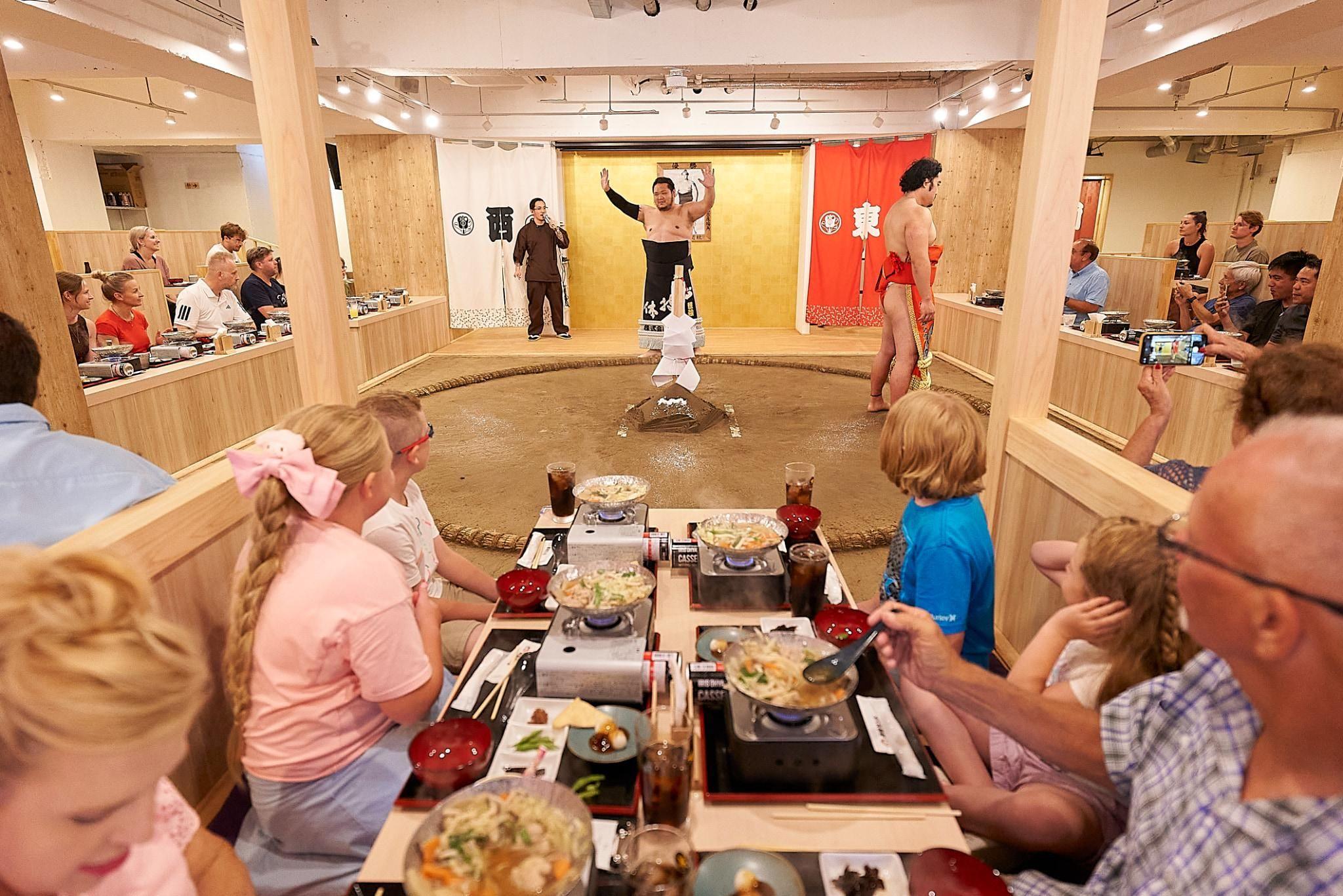
Premium Sumo Show with Geisha Dance & Wagyu Dinner 2 hours Free Cancellation

Premium Sumo Show with Geisha Dance & Wagyu Dinner

Watch retired sumo champions wrestle ringside while savoring sukiyaki and chanko in an intimate venue

4.7 (984)
FromFrom $101.07
See details
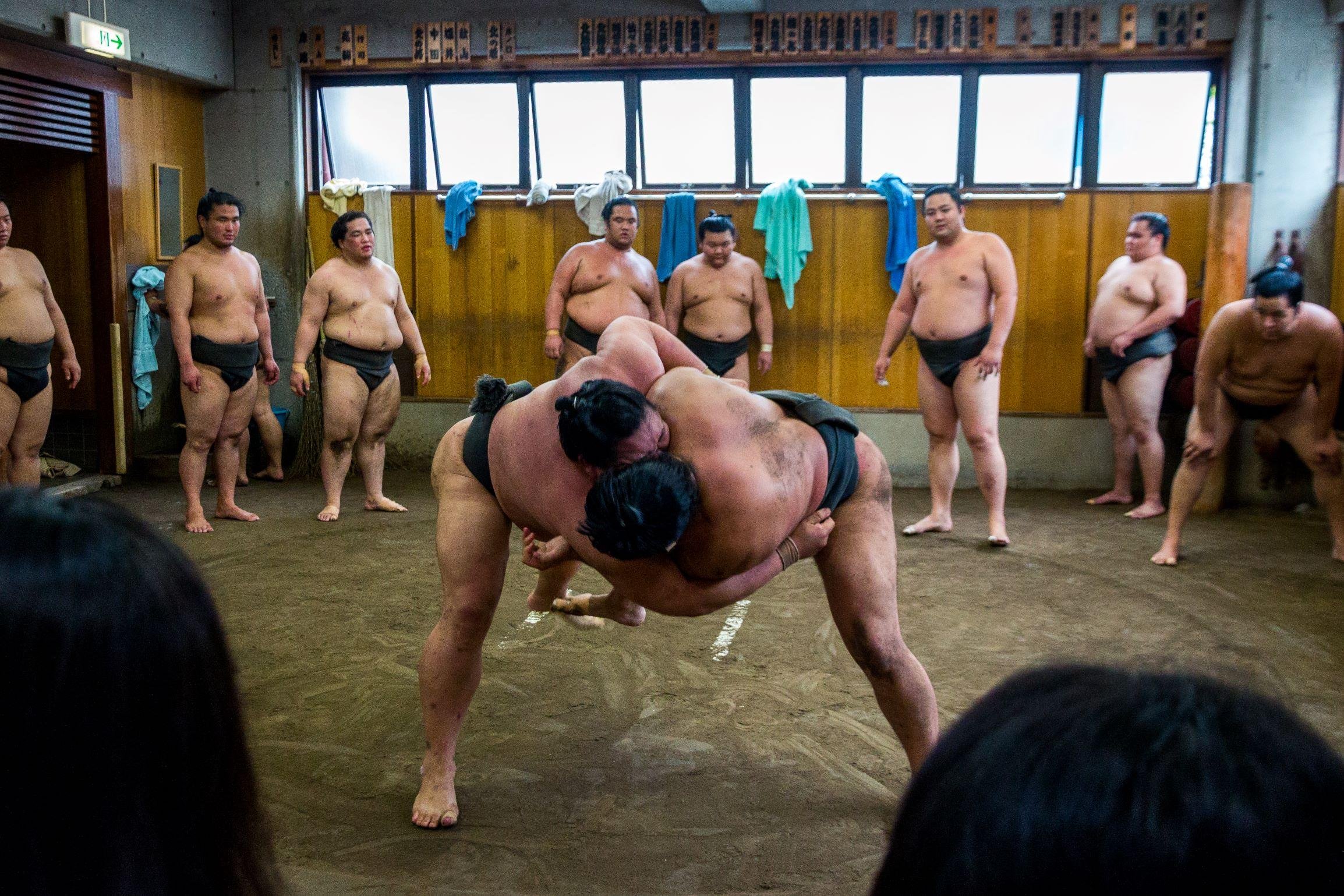
Tokyo Sumo Stable Morning Practice Tour 1.5 - 2 hours Free Cancellation

Tokyo Sumo Stable Morning Practice Tour

Step inside an authentic sumo stable and witness wrestlers training for Japan's iconic tournaments

4.8 (776)
FromFrom $101.07
See details
Sumo Wrestling Experience with Chanko Hot Pot & Mochi Making 2 hours Free Cancellation

Sumo Wrestling Experience with Chanko Hot Pot & Mochi Making

Get ringside at a sumo demonstration, savor authentic chanko hot pot, and pound mochi with wrestlers

4.8 (729)
FromFrom $85.91
See details
Family Sumo Training & Live Match with Chanko Lunch 2 hours Free Cancellation

Family Sumo Training & Live Match with Chanko Lunch

Train with retired sumo champions, watch thrilling bouts, and feast on the wrestlers' signature hotpot

4.9 (453)
FromFrom €78.5
See details
Ryōgoku Sumo Tournament with Expert Guide & Reserved Seating 4 - 5 hours

Ryōgoku Sumo Tournament with Expert Guide & Reserved Seating

Witness elite wrestlers compete at a professional sumo tournament with expert commentary and reserved arena seats

4.6 (261)
FromFrom €86.12
See details
Tokyo Sumo Wrestling Tournament with Chair A-Seats & Expert Guide 4 hours Free Cancellation

Tokyo Sumo Wrestling Tournament with Chair A-Seats & Expert Guide

Experience the power of sumo from premium second-floor seats with an English-speaking guide at Ryogoku Kokugikan

4.9 (46)
FromFrom $208.45
See details
The experience

What visiting Sumo Wrestling Tickets Tokyo is really like

You arrive at Ryōgoku Station's north exit and walk three minutes past chanko-nabe restaurants to the kokugikan's bronze entrance. Collecting your reserved ticket at the south counter, you pass the Sumo Museum's glass cases displaying vintage mawashi and referee fans.

Read more Show less

You climb to your chair seat as lower-division matches unfold—jonokuchi novices collide in ten-second bouts while vendors circulate with bento boxes and beer.

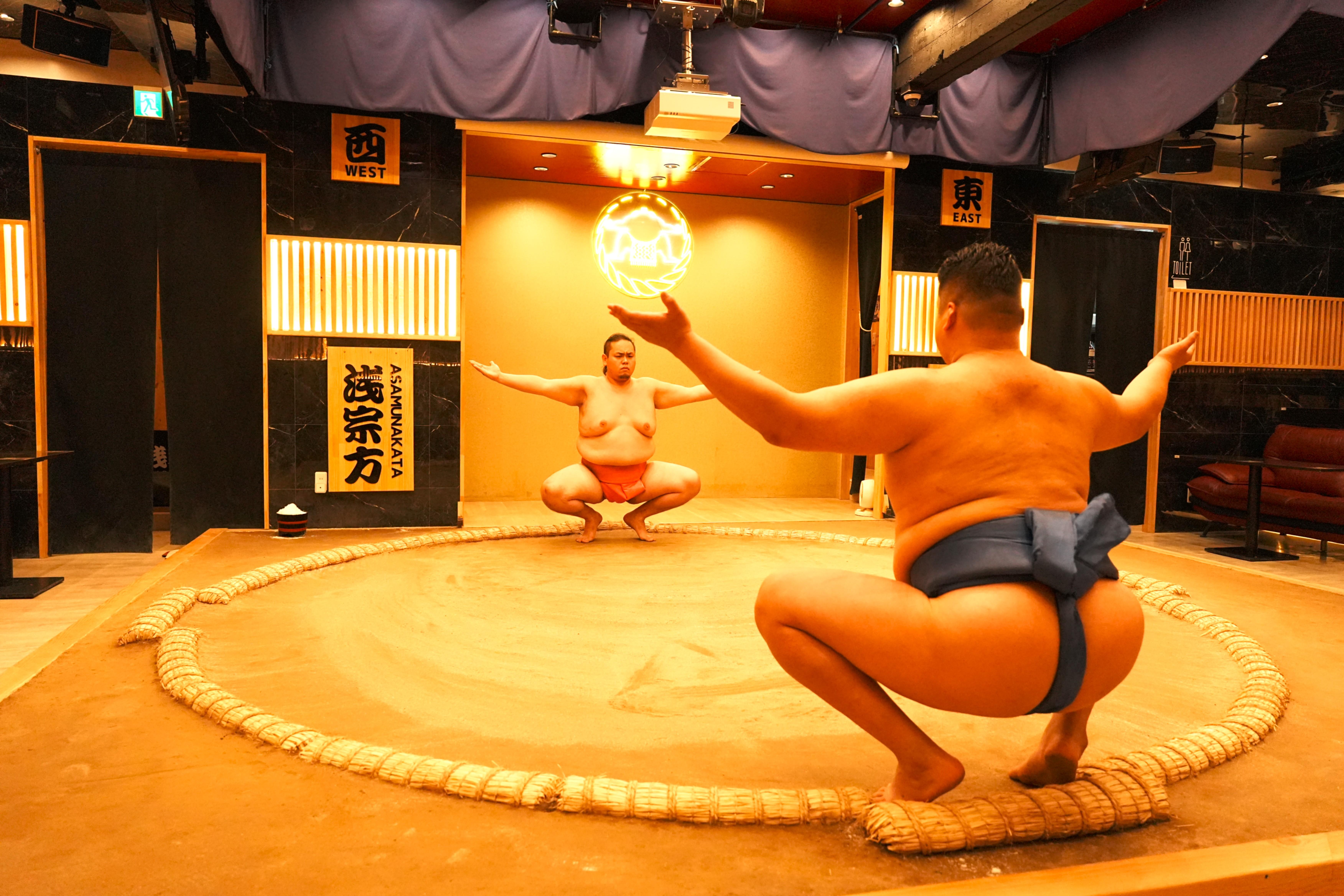
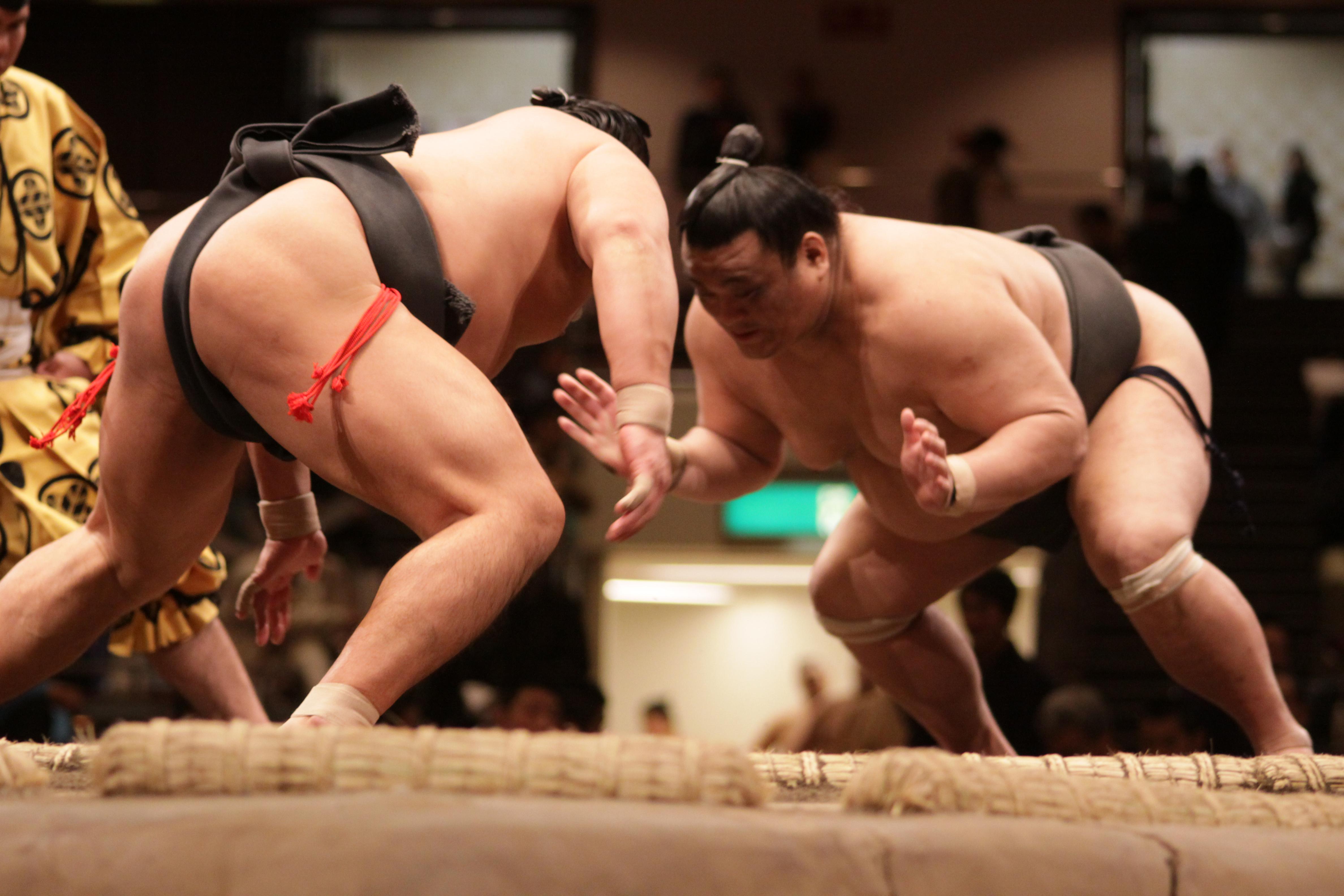
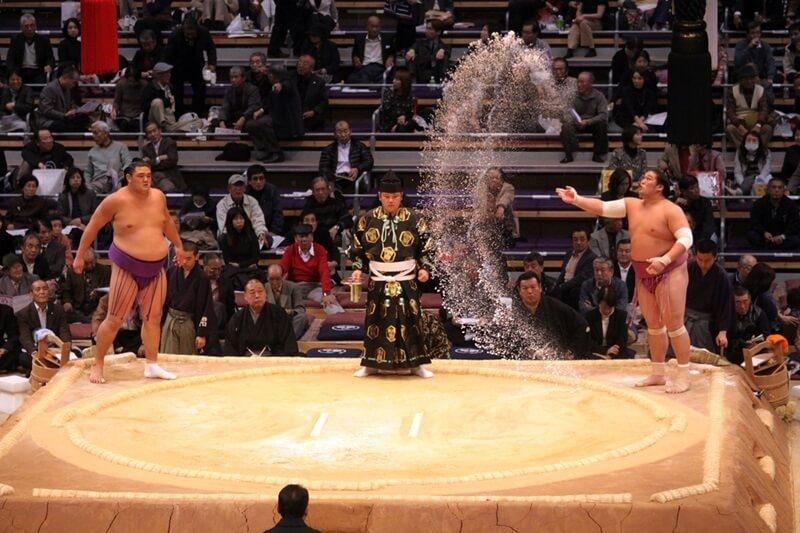
By 14:00, juryo wrestlers parade in silk kesho-mawashi, sponsors' names embroidered across their backs. You watch the shikiri-naoshi ritual: competitors squat, clap, spread their arms to prove they carry no weapons, then retreat to rinse their mouths with ladle water. Salt arcs across the dohyō. The gyoji's fan drops. Bodies collide. The match ends in four seconds—a veteran's palm strike to the chest sends his opponent backpedaling over the straw bales.

At 15:30, the yokozuna enters for his dohyo-iri. He stomps to crush evil spirits, lifts his tsuna rope, spreads his arms. The crowd remains silent. You hear only the referee's chant and the wrestler's breathing. The final bouts begin at 16:00. Ringside spectators lean forward. When an upset occurs, seat cushions fly toward the dohyō—a century-old gesture of approval you watch from the upper tiers as attendants collect the scattered zabuton.

Sumo Wrestling Tickets Tokyo
Everything You Need to Know

Your complete Sumo Wrestling Tickets Tokyo guide

All the details about your upcoming adventure in one place

Sumo Wrestling Tickets Tokyo at Ryōgoku Kokugikan

Secure sumo wrestling tickets tokyo for Japan's national sport at Ryōgoku Kokugikan, the premier sumo hall in the capital. Watch rikishi compete in the dohyō during official honbasho tournaments held in January, May, and September, with bouts starting mid-morning and championship matches in late afternoon. Sumo wrestling tickets tokyo tours offer reserved seating from box seats near the ring to upper-tier arena spots, with English commentary options and access to the Sumo Museum on-site.

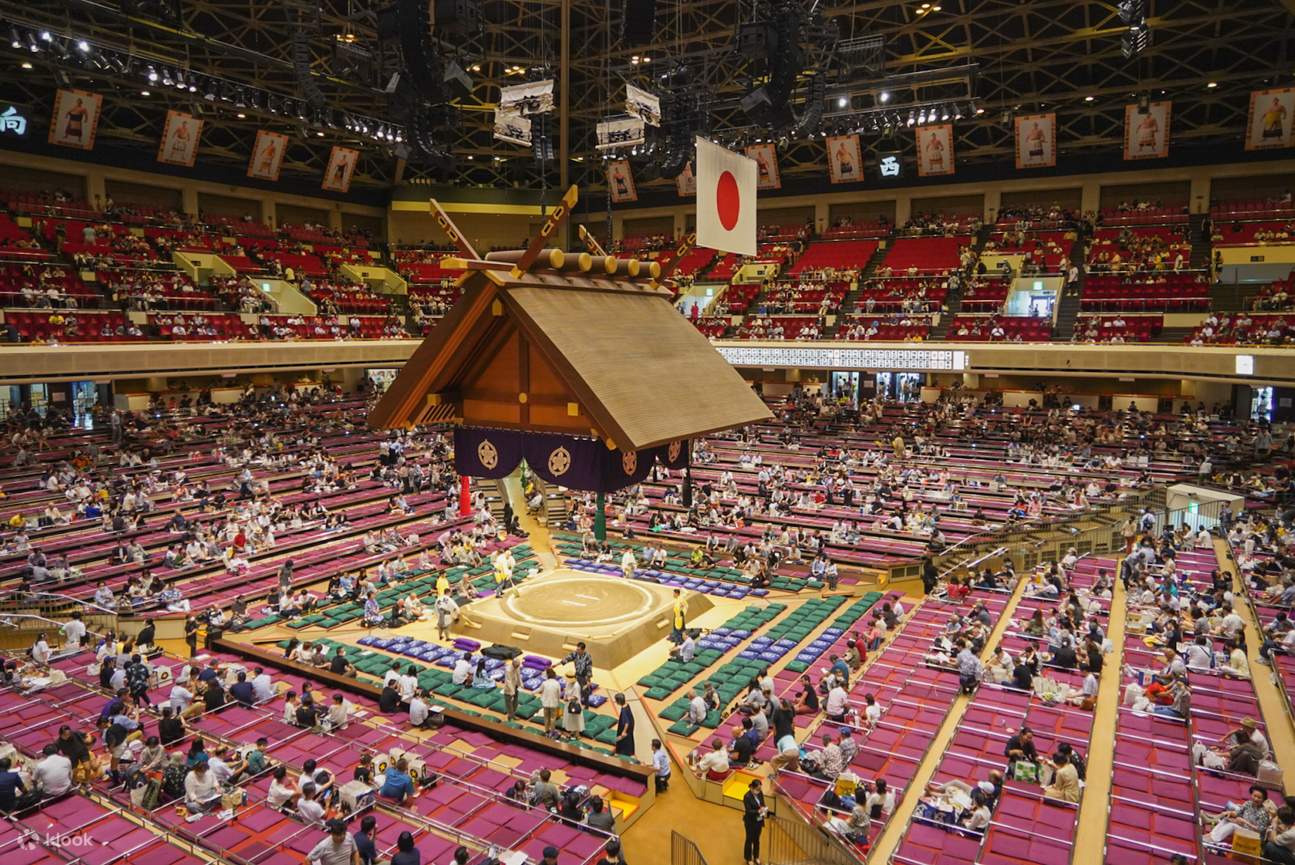
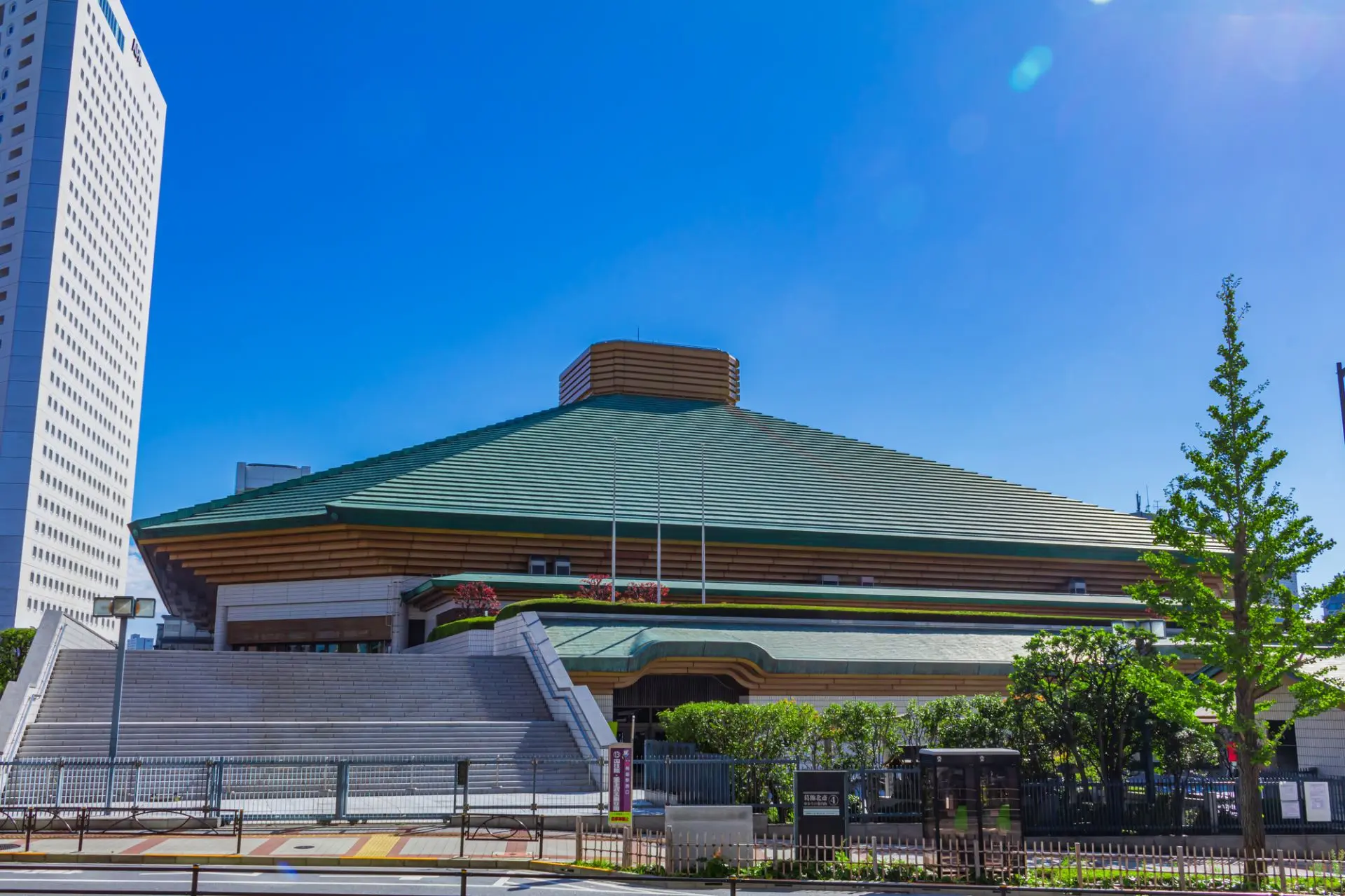
Ryōgoku Kokugikan has hosted honbasho tournaments six times annually since 1985, replacing a wooden predecessor that burned twice. The current ferro-concrete hall seats 11,098 beneath a Shinto shrine-inspired roof weighing 275 tonnes, suspended without interior pillars to preserve sightlines.

January, May, and September tournaments draw sold-out crowds as rikishi from juryo and makuuchi divisions compete across fifteen days of matches governed by rules unchanged since the Edo period.

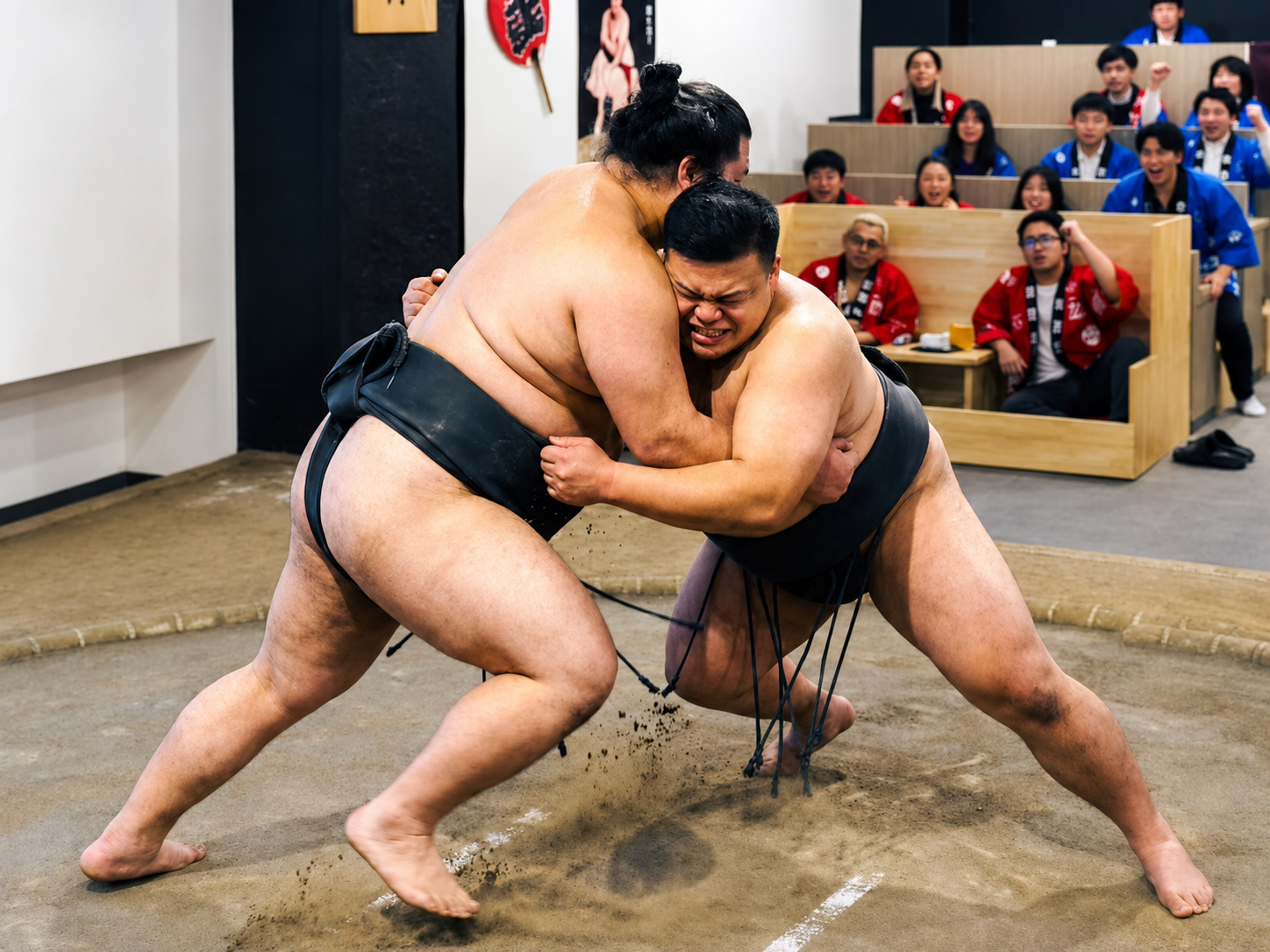
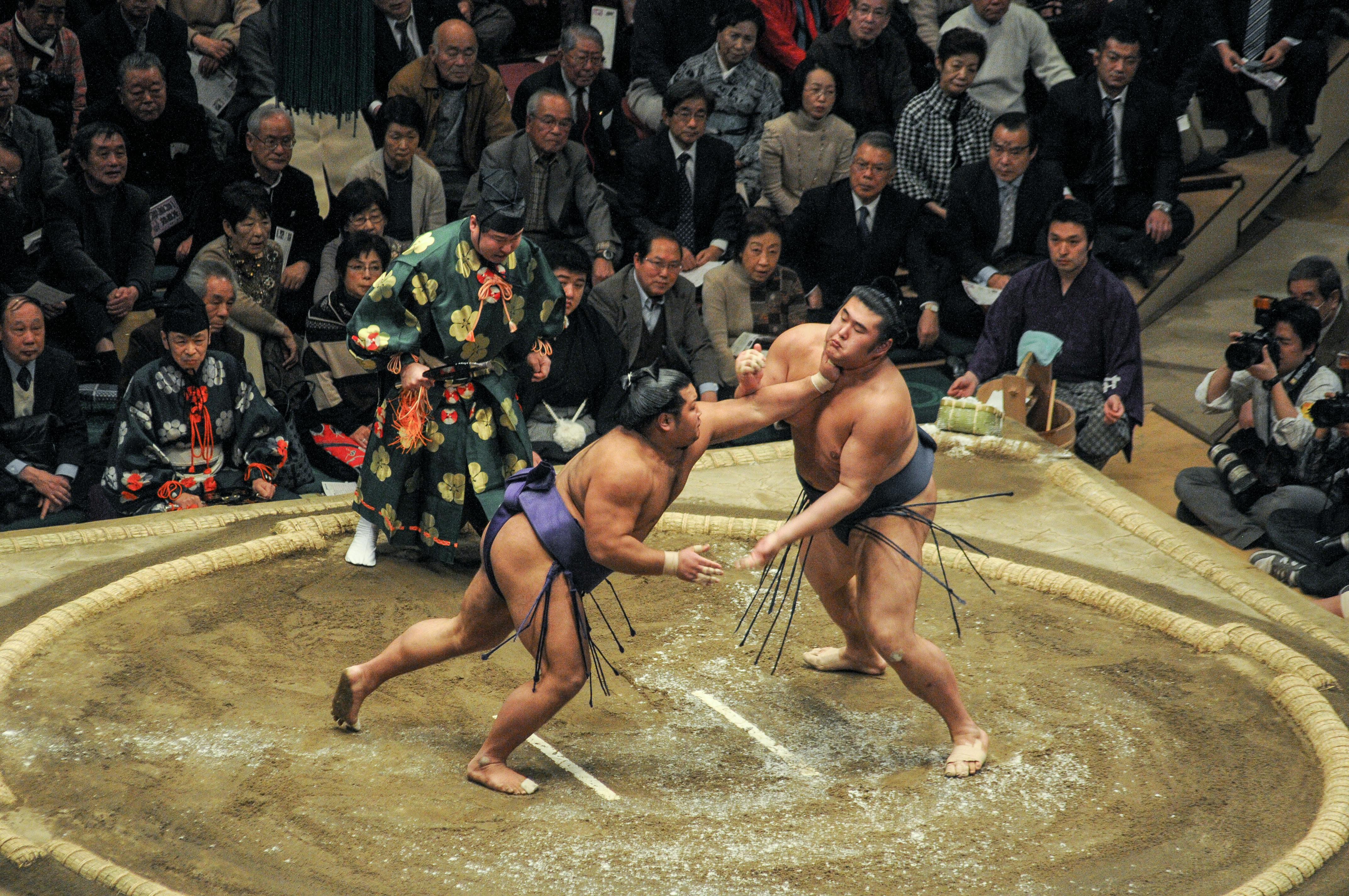
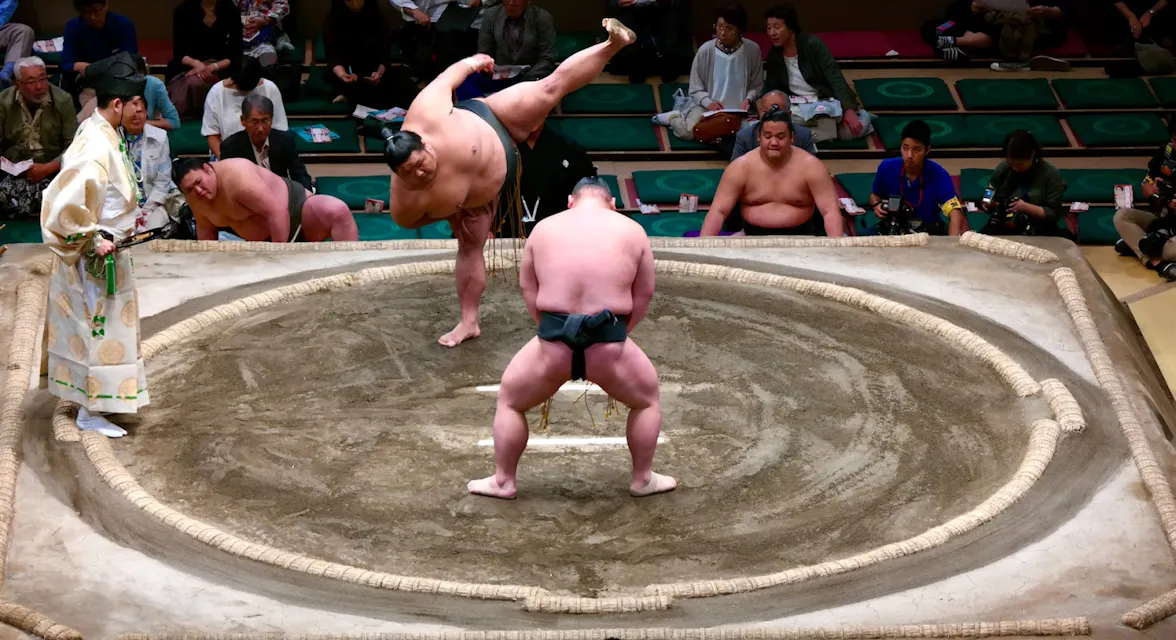
Sumo wrestling tickets Tokyo tours grant access to a sport codified in 1684 when the Tokugawa shogunate formalized bout procedures and ranking hierarchies. The dohyō, a 4.55-meter clay platform ringed with rice-straw bales, is rebuilt before each tournament and purified with salt—wrestlers scatter forty kilograms daily. Gyoji referees wear Heian-period silk robes, their rank denoted by fan color and tassel material. Matches last seconds or minutes, decided when a competitor touches the ground with any body part beyond his feet or steps outside the circle.

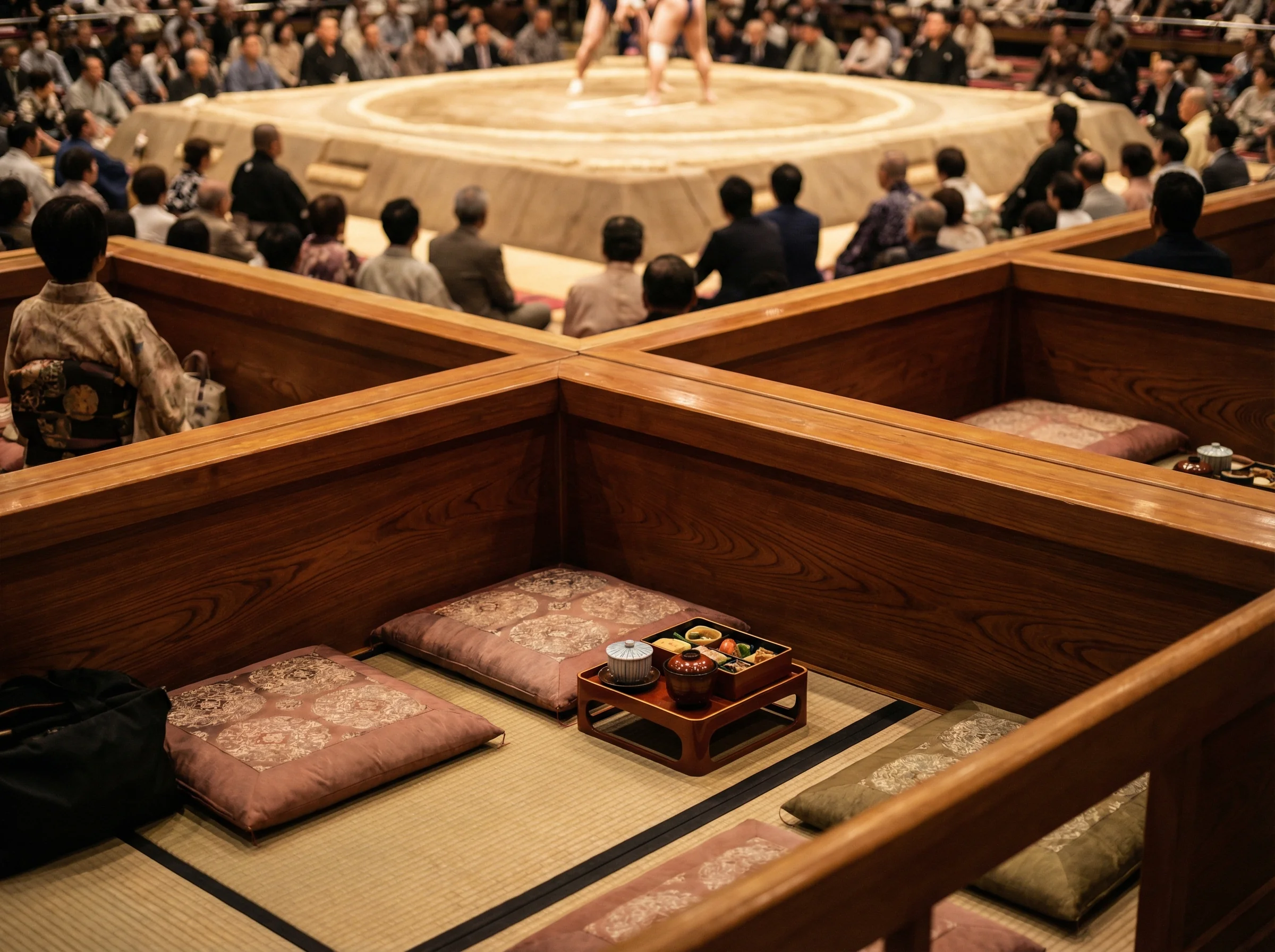
The kokugikan's design reflects sumo's ritual architecture. Box seats, called masu-seki, replicate Edo-era tea rooms where merchants watched matches. Upper tiers offer chair seating from 2,500 JPY, while ringside cushions—traditionally thrown after upset victories—sit centimeters from collisions. A Sumo Museum occupies the first floor, displaying kesho-mawashi ceremonial aprons embroidered with sponsor crests and banzuke ranking scrolls printed via woodblock.

Sumo wrestling tickets Tokyo 2026 tournaments feature yokozuna grand champions performing dohyo-iri entrance ceremonies at 15:30, their tsuna ropes woven from hemp and weighing fifteen kilograms. Makuuchi division bouts begin at 16:00, preceded by juryo matches at 14:00 and lower divisions from 08:45. The hall's acoustic design amplifies the gyoji's chant and the percussive slap of flesh, eliminating need for amplification. Yobidashi ushers in indigo happi coats summon wrestlers by singing their shikona ring names, a vocal tradition predating microphones by three centuries.


The dohyō is rebuilt before each tournament and purified with salt—wrestlers scatter forty kilograms daily.

Dress code

Casual attire is appropriate, but consider that sitting in traditional Masu-seki boxes may require sitting on floor cushions for extended periods. Dress comfortably for the temperature inside the arena.

Bags & security

Baggage inspections occur at all entry points for sumo wrestling tickets tokyo. Large items exceeding the size of a standard seat are prohibited; please use nearby coin lockers at the station.

Photography

Photography is permitted from your designated seat, provided you do not use flash or disrupt the view of other spectators. Do not photograph the wrestlers in ways that might cause them distraction.

Families & strollers

Families are welcome, but be aware of the compact seating arrangements. Children must be supervised to ensure they remain safe and do not obstruct the aisles.

Accessibility

The venue offers designated spaces for wheelchair users. Please contact the arena ahead of your visit for specific sumo wrestling tickets tokyo accessibility requirements.

Food & drink

Outside food and drinks are restricted in certain seating areas at Ryōgoku Kokugikan. You may purchase bento boxes, yakitori, and drinks from the internal concessions.

Not allowed

× Bottles × Cans × Cooler boxes × Flash photography equipment × Tripods × Large luggage × Weapons × Flammable materials × Dangerous chemicals × Obstructive items

What to bring

✓ Valid ticket ✓ Small bag ✓ Camera ✓ Comfortable shoes ✓ IC Card ✓ Cash

Opening hours

Mon 08:45–18:00
Tue 08:45–18:00
Wed 08:45–18:00
Thu 08:45–18:00
Fri 08:45–18:00
Sat 08:45–18:00
Sun 08:45–18:00

How to get there

At a glance

Opening Hours

08:45–18:00

Address

1-3-28 Yokoami, Sumida-ku, Tokyo 130-0015, Japan

Arrival Window

08:45–14:00

Contact

+81-3-3623-5111

Official Site

https://www.sumo.or.jp/kokugikan/

Cancellation policy

Ticket refunds are generally not provided for Ryōgoku Kokugikan once purchased. Please verify tournament schedules before securing sumo wrestling tickets tokyo.

Plan your time

How to Plan Your Day with Sumo Wrestling Tickets Tokyo

Recommended time

Full day

Securing sumo wrestling tickets tokyo allows you to witness the entire progression of the tournament, from morning practice sessions to the final bouts. Arriving early provides a quiet opportunity to watch lower-division wrestlers compete in the ring, while arriving by 14:00 ensures you are settled before the top-division ceremonies and the ceremonial ring-entering. Guests interested in sumo wrestling tickets tokyo tours often spend the full day immersed in the atmosphere to fully appreciate the complex rituals and increasing intensity of the matches. Those purchasing sumo wrestling tickets tokyo tickets for a shorter visit should at least aim for the mid-afternoon transition to see the highly ranked rikishi perform their traditional salt-throwing rituals.

Crowd levels through the day

08:45–11:00 Light
11:00–14:00 Moderate
14:00–16:00 Heavy
16:00–18:00 Peak
The story

The Cultural Significance of Sumo Wrestling Tickets Tokyo and Ryōgoku Kokugikan

The Ryōgoku Kokugikan stands as the modern temple of professional sumo, yet its origins trace back centuries before the first brick was laid in Sumida ward. Sumo wrestling emerged in the Edo period as a regulated spectacle patronized by samurai and merchants, performed in open-air rings near Shinto shrines. The first permanent indoor arena bearing the Kokugikan name opened in 1909 in Ryōgoku, a neighborhood already synonymous with the sport. That structure hosted grand tournaments until 1917, when financial troubles forced its closure and conversion into a skating rink. Between 1920 and 1945, sumo migrated across temporary venues, including Meiji Shrine's grounds and a second Kokugikan built in 1954 in Kuramae, which served until structural limitations became evident. The current Ryōgoku Kokugikan, completed in January 1985, was purpose-built to anchor three of the year's six honbasho tournaments in Tokyo. Architect Kiyonori Kikutake embedded Shinto architectural motifs into the design—a suspended roof recalling shrine silhouettes, and an interior clay dohyō consecrated with purifying salt before every match. The arena seats 11,098 spectators in a tiered layout that preserves hierarchical viewing traditions: ringside cushion seats for patrons willing to risk a flying wrestler, elevated box seats for families, and balcony chairs accessible through sumo wrestling tickets tokyo reservations. In 1991, the Japan Sumo Association installed a hanging LED display, modernizing the venue without erasing its ceremonial gravity. Today, sumo wrestling tickets tokyo tours often include access to the adjoining Sumo Museum, which opened in 1954 and moved into the Kokugikan complex in 1985, displaying banzuke ranking sheets and ceremonial aprons worn by yokozuna grand champions. The dohyō itself remains a Shinto artifact: shrine priests bless the clay ring before each tournament, burying sake, dried chestnuts, and kelp beneath its center as offerings. Attending a match at Ryōgoku Kokugikan means witnessing a ritual unchanged since the Tokugawa shogunate, performed under steel and glass erected four decades ago.

Edo period

Sumo evolved from Shinto ritual into commercial entertainment under samurai patronage in open-air venues.

1909

The first permanent Kokugikan arena opened in Ryōgoku, hosting grand tournaments until financial collapse in 1917.

1954

A second Kokugikan was constructed in Kuramae, serving as Tokyo's sumo home for three decades.

January 1985

The current Ryōgoku Kokugikan opened with 11,098 seats and architect Kiyonori Kikutake's Shinto-inspired roof design.

1991

LED scoreboard installation modernized the arena while preserving the sacred dohyō and purification rituals.

Gallery

Moments from Sumo Wrestling Tickets Tokyo

Food & drink

Where to Eat Near Sumo Wrestling Tickets Tokyo Venue

Visitors can enjoy a variety of dining options near the Ryōgoku Kokugikan to complete their experience, including internal arena snacks and nearby traditional eateries. Whether searching for a quick meal before sumo wrestling tickets tokyo matches or a post-tournament dinner, the surrounding neighborhood is famous for its authentic chanko-nabe hot pot.

Kokugikan Basement Stalls

€

Arena snack bar

Offers quick bites like the famous yakitori, bento boxes, and small bowls of chanko-nabe for a light stadium meal.

Chanko Kirishima

€€€

Chanko-nabe restaurant

A popular choice run by a former wrestler serving authentic sumo stew; booking a sumo wrestling tickets tokyo tour often includes local dining recommendations here.

Chanko Kawasaki

€€

Traditional chanko-nabe

A historic, long-running restaurant founded by a former wrestler that offers a classic experience for those using sumo wrestling tickets tokyo tickets.

Chanko Dojo

€€

Themed izakaya

Located under the train tracks, this atmospheric spot serves seven different varieties of hot pot in a setting decorated with paper lanterns.

Customer Reviews

What travelers say about Sumo Wrestling Tickets Tokyo

Real experiences from real travelers

4.5
Based on 2,400 reviews
1 ★ 950
2 ★ 820
3 ★ 1450
4 ★ 4100
5 ★ 18200
K
Kenji M.
Japan · 2026-08-15

Authentic tournament experience

Secured sumo wrestling tickets tokyo for the September basho and the atmosphere was electric. Arrived early to watch lower-division bouts and the skill progression throughout the day was remarkable. The dohyō ring feels surprisingly intimate even from upper seats. Recommend the box seats if traveling with family.

S
Sarah K.
United States · 2026-07-22

Cultural immersion at its finest

Getting sumo wrestling tickets tokyo tours was the highlight of our Japan trip. The Kokugikan venue itself is steeped in tradition with the suspended roof and clay ring. We attended on day 10 of the tournament when rankings become crucial. The crowd's energy during high-stakes bouts was unforgettable. Chanko nabe sold at concessions added to the experience.

M
Miguel R.
Spain · 2026-06-18

Worth every yen

Purchased tickets for Ryōgoku Kokugikan three months ahead for prime seating. The tournament format means you see dozens of matches from morning until evening. Lower-division wrestlers start around 8:30 AM and the skill builds throughout the day. The gyōji referees in ornate robes add theatrical ceremony. Bring cushions for box seats on the floor.

Y
Yuki T.
Australia · 2026-05-30

Excellent but crowded

Bought sumo wrestling tickets tokyo through official channels for a weekend match day. The venue fills completely for popular rikishi. Sight lines are good from most sections though the cheapest seats are quite high up. The ceremonial aspects between bouts provide context if you read up beforehand. Concession lines get long during intermissions.

E
Emma L.
United Kingdom · 2026-09-10

Spectacular September basho

Attended the Aki Basho at Kokugikan and the venue's acoustics amplify every collision. Securing sumo wrestling tickets tokyo tickets required checking availability daily as popular days sell out. The traditional roof suspended above the ring is an engineering marvel. Wrestlers entering the arena in elaborate kesho-mawashi was visually stunning. Allow time to explore the small museum inside.

H
Hans B.
Germany · 2026-04-20

Immersive and educational

First-time visitor to a honbasho tournament after researching sumo wrestling tickets tokyo tour options. The ritual before each bout—salt throwing, stomping—builds anticipation masterfully. Even if you don't understand Japanese, the referee's calls and crowd reactions guide you. Box seats near the ring let you hear the impact. Exit through Ryōgoku district for sumo-themed restaurants.

P
Priya N.
India · 2026-08-02

Unforgettable afternoon

Managed to get same-week tickets for Kokugikan and the experience exceeded expectations. The clay dohyō is repaired between matches which adds to the ritual. Top-ranked yokozuna and ozeki wrestlers appear late afternoon so plan accordingly. The building's design focuses all attention on the central ring. Staff were helpful despite language barriers.

C
Carlos D.
Brazil · 2026-07-05

Traditional sport at peak form

Witnessing sumo at Ryōgoku Kokugikan puts the sport in proper context. The sacred rope around the ring, the roof modeled after Shinto shrines, the ranking hierarchy all make sense in person. Reserved seats fill quickly but arena seats offer good views. Arrive for lower divisions to appreciate the athleticism before the main events.

L
Lisa W.
Canada · 2026-06-12

Best live sports experience

Bought sumo wrestling tickets tokyo months early for good seats and glad we did. The tournament runs six hours but you can enter and exit. Morning matches showcase developing talent while evening brings the stars. The tension before a yokozuna bout is palpable. Chanko stew vendors outside add authentic flavor. The Kokugikan neighborhood itself has sumo history around every corner.

T
Thomas F.
France · 2026-09-18

Captivating from start to finish

Attended day 12 of the current basho when championship races narrow. The dohyō clay is replaced entirely between tournaments which keeps the surface pristine. Ring-side judges include former champions whose presence adds gravitas. Even a brief three-second bout demonstrates incredible technique. The venue's traditional architecture contrasts beautifully with modern amenities. Photography allowed but no flash during matches.

FAQ

Sumo Wrestling Tickets Tokyo — frequently asked questions

Everything you need to know for your journey

Ready for Adventure?

Join thousands of happy travelers who have discovered this incredible experience

Book Your Experience Now