1 hr 10 min
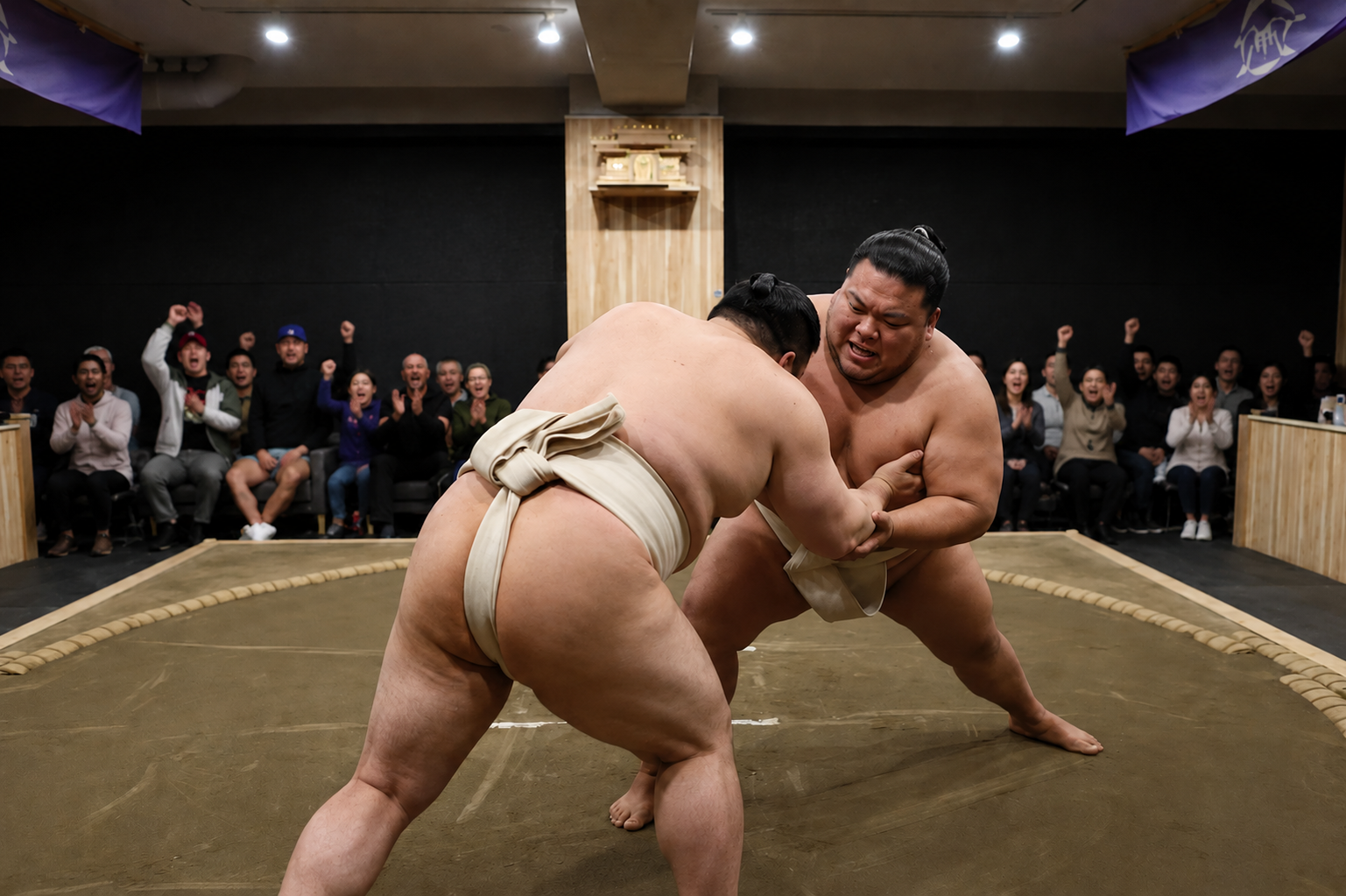
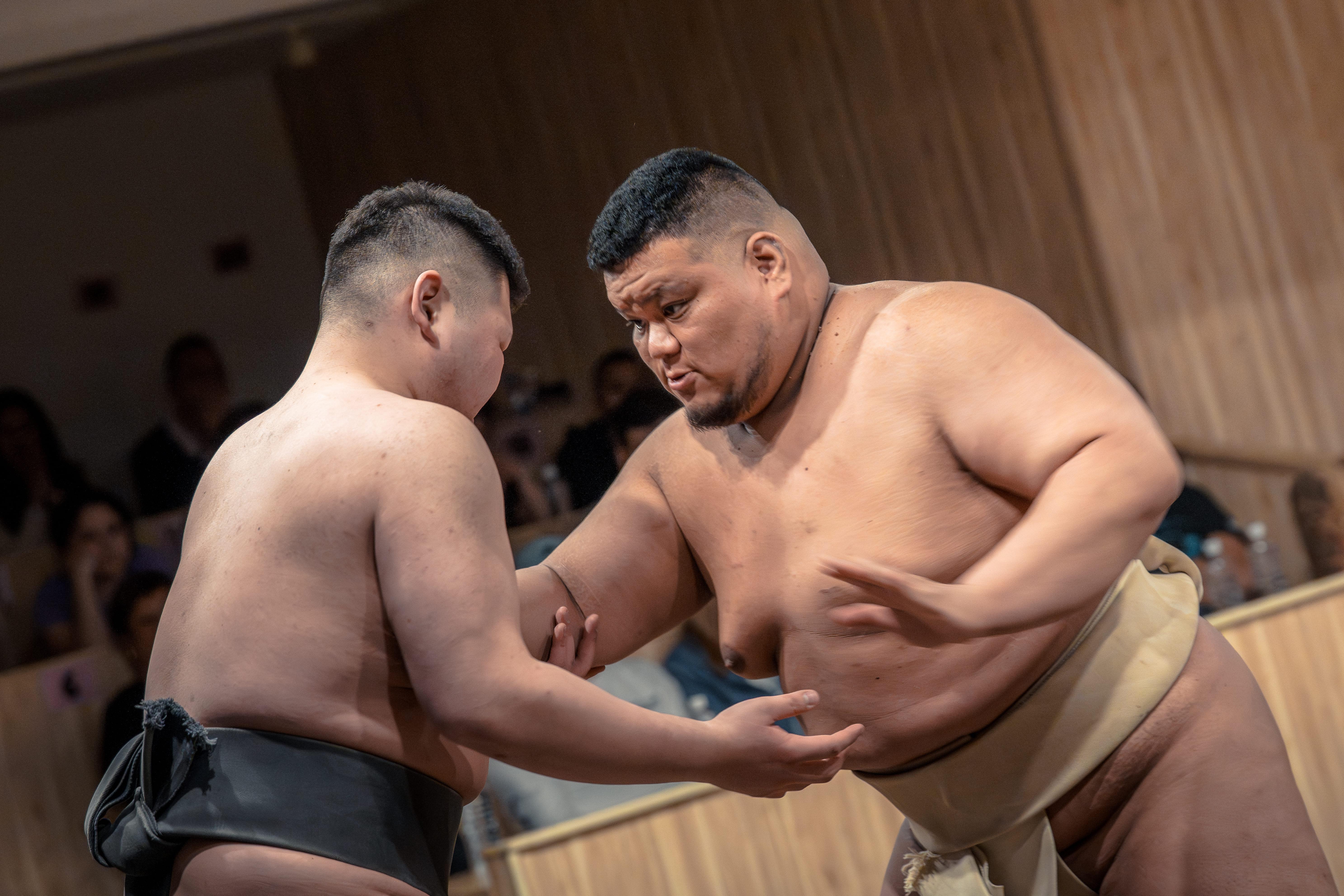
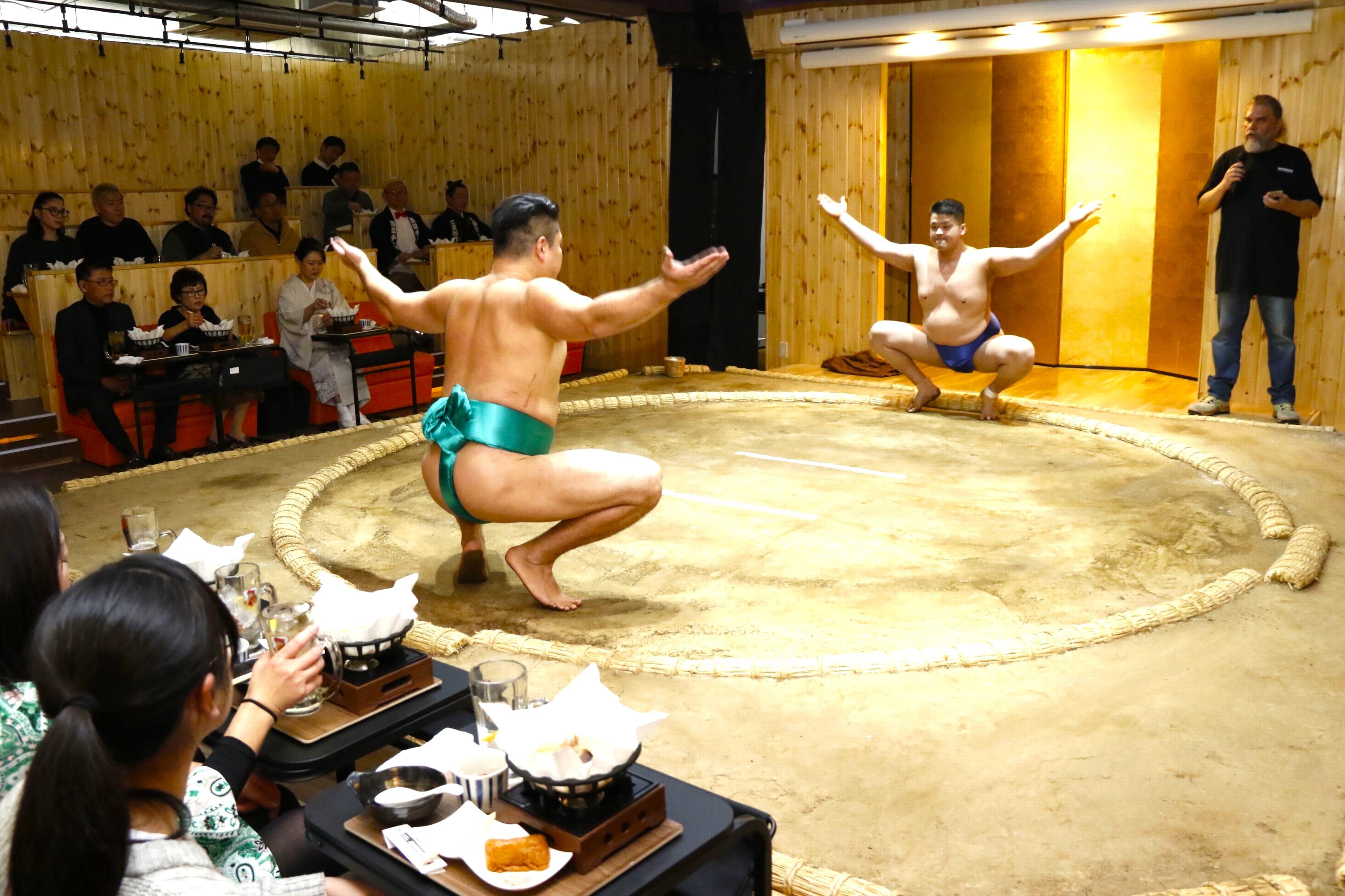
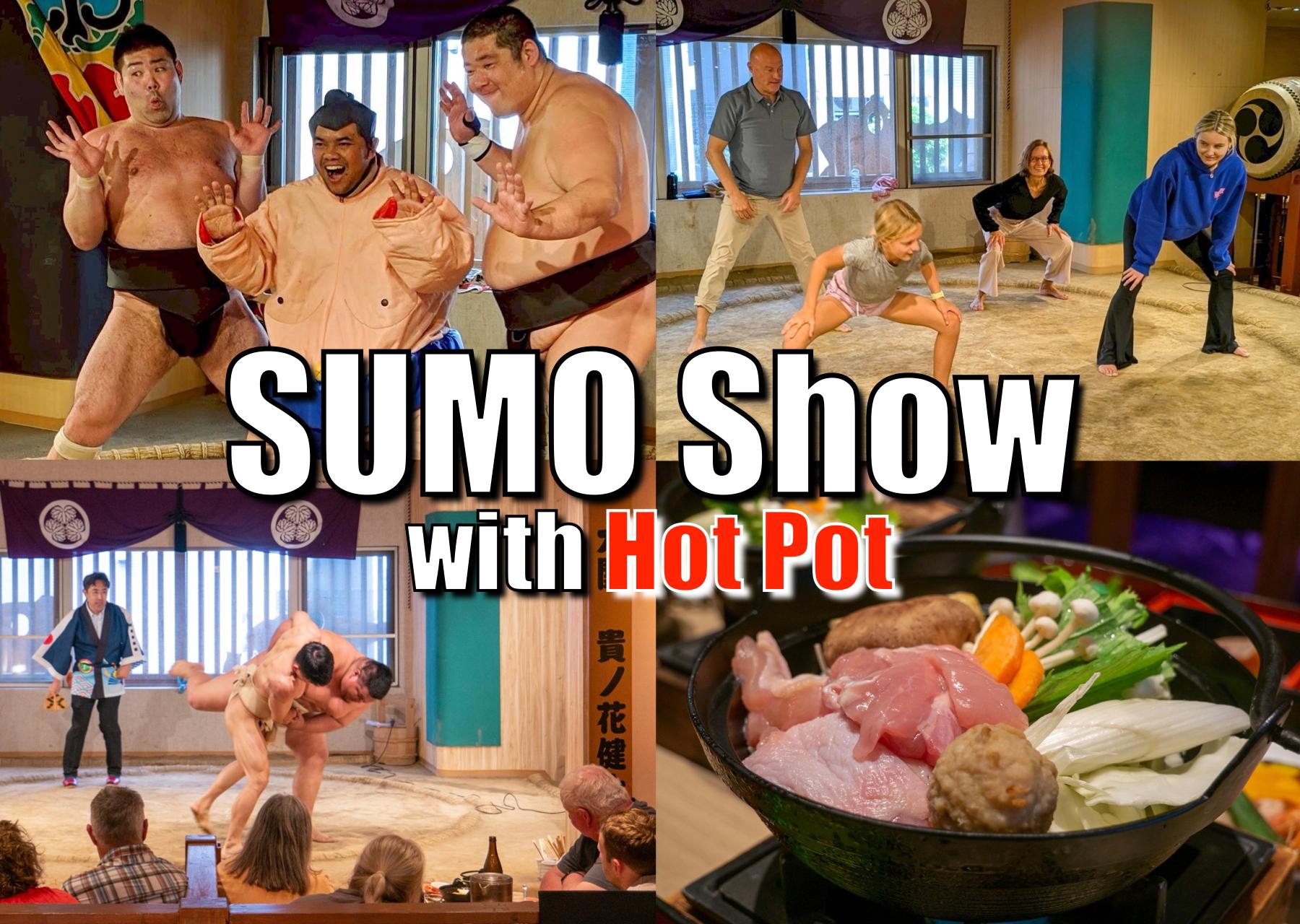
Shibuya Sumo Wrestling Show with Wrestler Challenge
- Entry ticket
- Mobile voucher
- Valid same day
- Free cancellation
Sumo Wrestling Tokyo Training — Live Practice & Ring Experiences
Watch rikishi morning sessions, step into sacred clay yourself
Compare fares, pick the fit — all bookings are mobile-voucher and eligible for free cancellation where shown.
1 hr 10 min
1 hr 15 min
2 hr
Choosing the right way to experience sumo wrestling tokyo training involves deciding between independent exploration of the Sumo Museum or attending a managed stadium event. While the arena serves as a landmark for professional matches, public training is typically hosted at independent stables rather than inside this specific facility.
| Museum Entry Tournament Ticket | General Access Grand Sumo Access |
Top pick Stable Practice Tour Professional Training Access |
|
|---|---|---|---|
| Access Level | Public/Free | Tournament Only | Guided Experience |
| Included Areas | Sumo Museum | Full Arena Access | Stable Observation |
| Admission Fee | 0 JPY | Required | Extra Cost |
| Best Arrival Window | 10:00–16:00 | Tournament Times | Scheduled Morning |
| Best for | Budget Visitors | Match Enthusiasts | First-timers |
| See tickets & prices |
Verdict: For the most authentic sumo wrestling tokyo training tour, we recommend the professional stable observation option to see wrestlers up close.
Worth it for serious sumo enthusiasts only
Ryōgoku Kokugikan offers free museum access showcasing woodblock prints, ceremonial regalia, and championship portraits, but no actual sumo wrestling tokyo training takes place here for visitors. The museum runs Monday through Friday until 16:30 and occupies a single compact gallery—most people finish in 20 minutes. Tournament tickets (held only six times yearly during official basho) are separate purchases and sell out months ahead. The bookable sumo wrestling tokyo training tours operate at independent sumo stables in Shibuya, Shinjuku, and Asakusa, where you watch morning practice sessions, challenge retired wrestlers in the dohyo, and eat chanko nabe prepared by the athletes themselves. These experiences deliver hands-on interaction with rikishi and authentic training rituals that the Kokugikan museum cannot provide. If you want to understand sumo's competitive intensity and daily discipline, the stable-based workshops justify their cost; the museum alone offers historical context but zero live action.
Bottom line: The Kokugikan museum is a quick free stop for sumo history, but genuine sumo wrestling tokyo training tickets at working stables deliver the immersive athlete contact serious fans actually want.
They complement each other; most visitors who do both find the museum the superior choice for historical depth, while commercial sumo wrestling training tours offer more intimate engagement.
|
Top pick Ryōgoku Kokugikan |
Training Workshops | |
|---|---|---|
| Authenticity level | High historical significance | Simulated cultural experience |
| Interaction with wrestlers | Observation only | Direct contact and practice |
| Educational focus | Artifacts and history | Techniques and daily life |
| Cost | 0 JPY (Museum) | 10,000–15,000 JPY per person |
| Accessibility | Public facility | Private booking required |
| Venue type | National stadium | Private sumo stable or gym |
| See tickets & prices |
Verdict: Choose the museum for a self-paced study of the sport, or select a sumo wrestling training tour if you prefer hands-on interaction and active participation in sumo wrestling tokyo training.
Hand-picked experiences loved by thousands of travelers
2 hours
Free Cancellation
Train with ex-pro wrestlers, watch a thrilling bout, step into the ring yourself, and feast on chanko hotpot
1 hour 30 minutes
Free Cancellation
Watch retired pro wrestlers battle live, train on the sacred ring, and feast on authentic chanko hotpot
1 hour 30 minutes
Free Cancellation
Watch retired professional sumo wrestlers demonstrate Japan's ancient sport in an intimate Ginza venue
2 hours
Free Cancellation
Step inside a real sumo stable to witness early morning training and meet the wrestlers up close
1 hour
Free Cancellation
Learn authentic sumo techniques from a retired top-division athlete in a real dohyo training session.
1 hour 30 minutes
Free Cancellation
Step inside an authentic Tokyo sumo stable to witness wrestlers training for Japan's ancient sport
2 hours
Free Cancellation
Watch retired sumo wrestlers battle in an intimate ring while enjoying authentic Japanese cuisine and drinks
1 hour
Free Cancellation
Get inside the ring with real sumo athletes for sparring demos, hands-on challenges, and photo ops
Reach Ryōgoku Kokugikan via Ryōgoku Station
View displays on sumo wrestling tokyo training history
Visit the nearby Yokoami Park
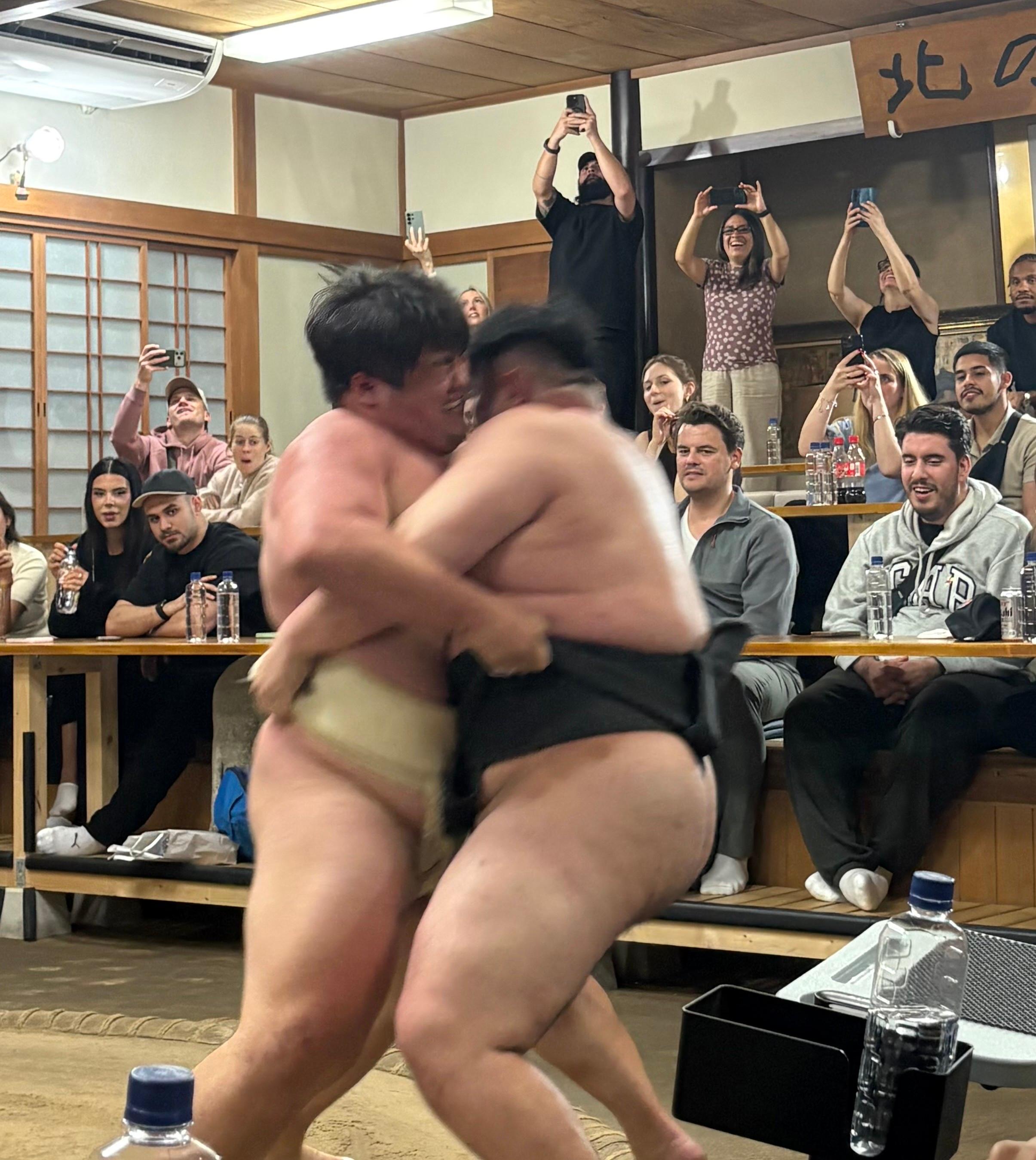
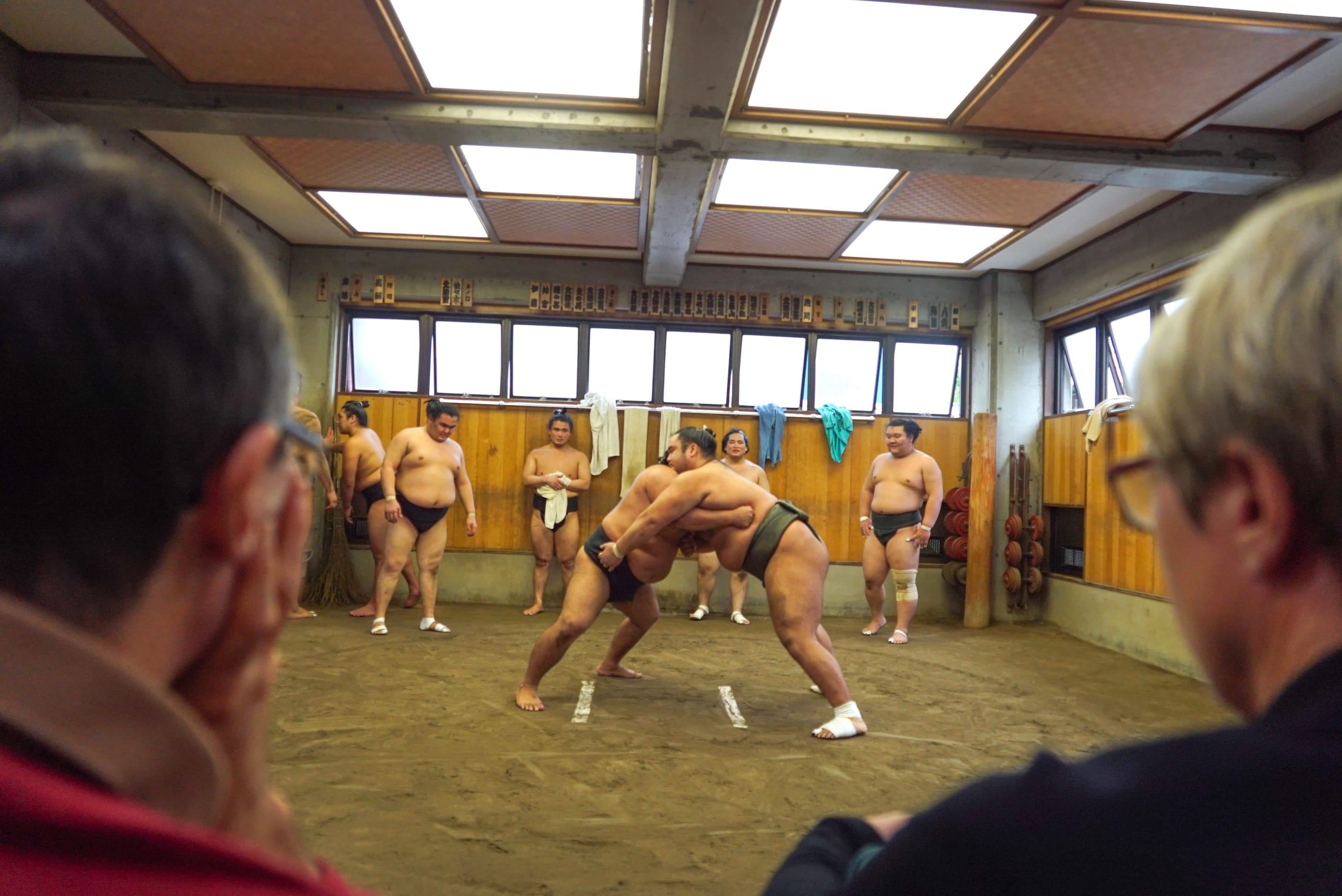
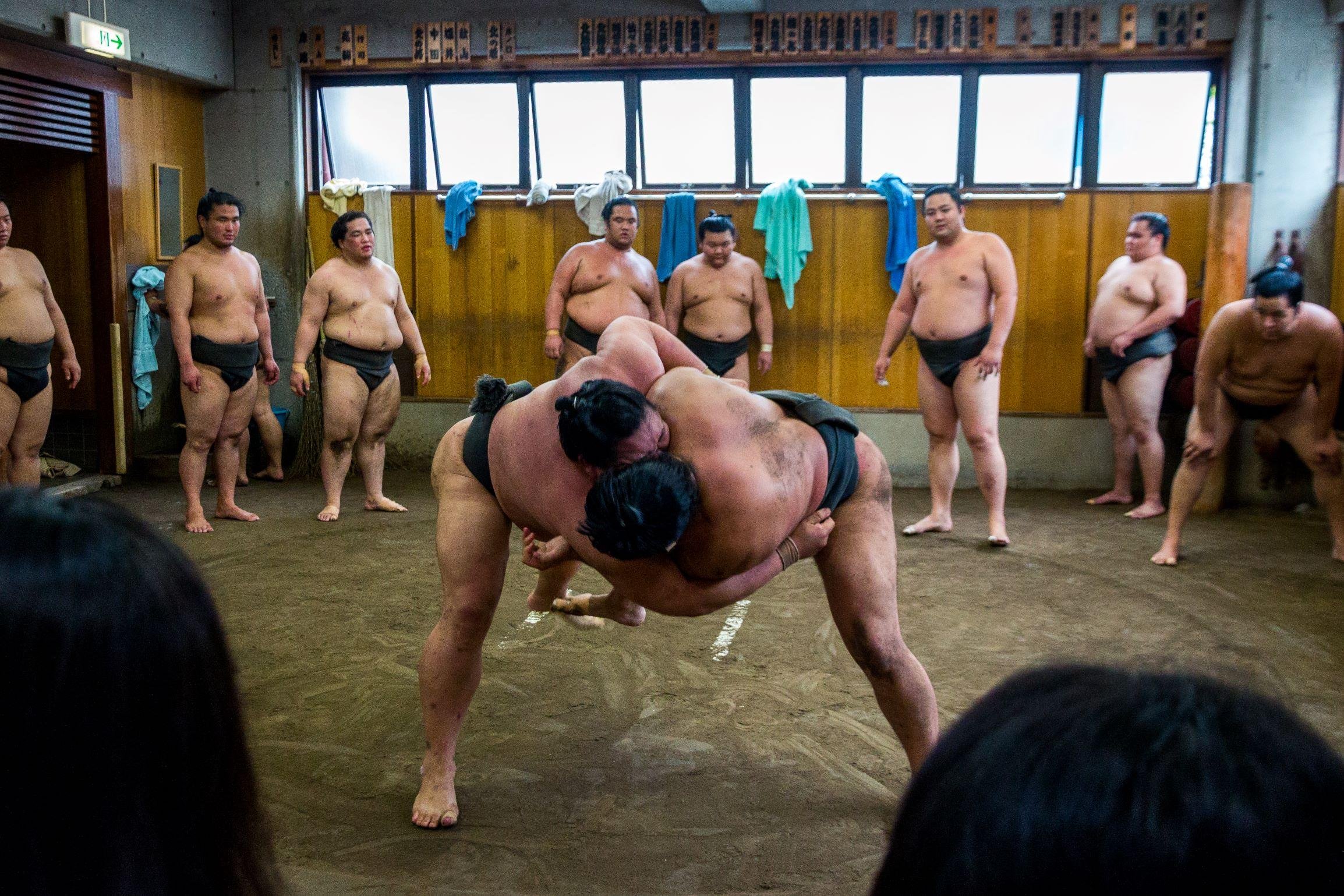
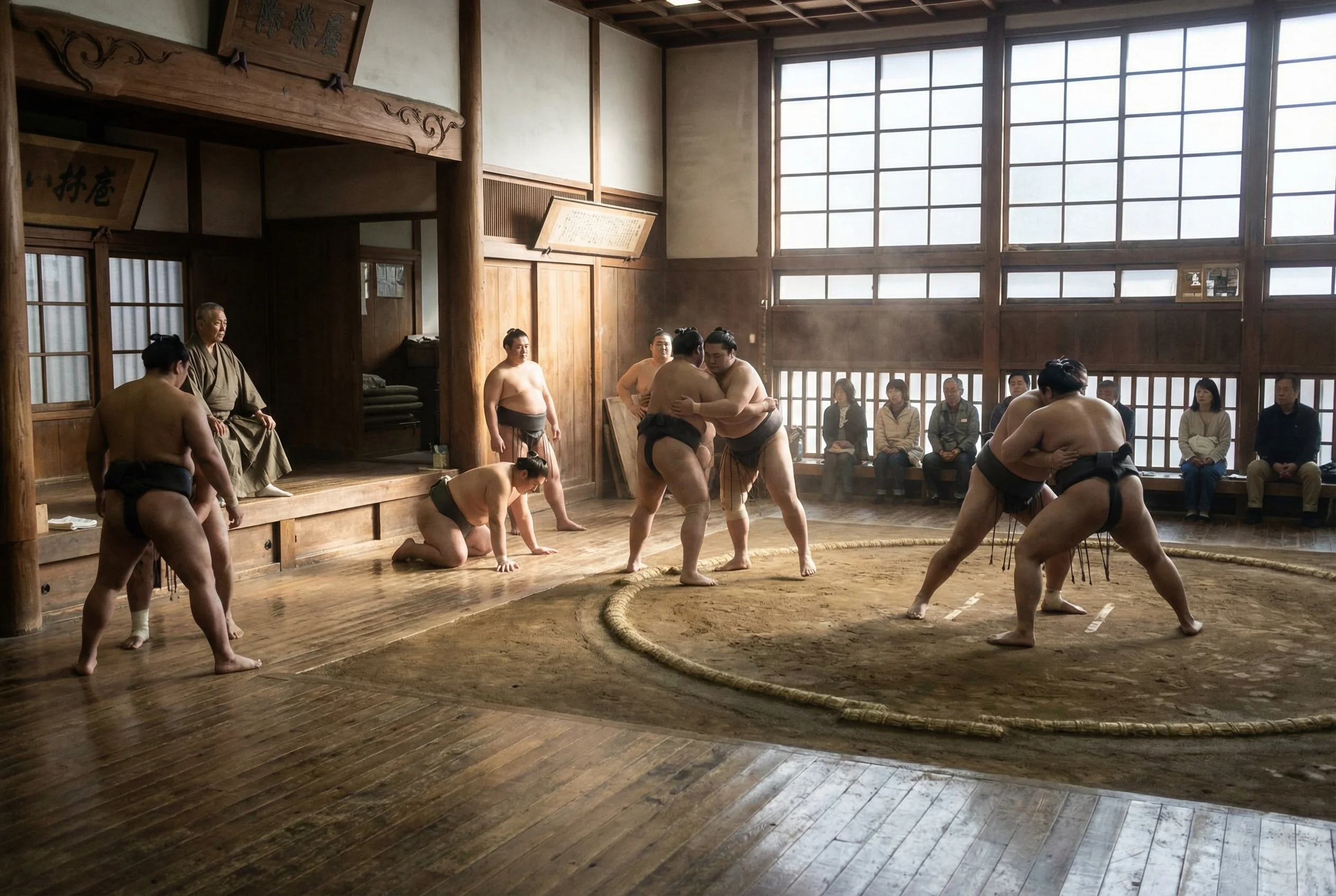
You arrive at Ryōgoku Station at dawn, following your guide through narrow streets where paper lanterns mark stable entrances. Inside, you remove your shoes and kneel on polished floorboards as 15 rikishi file into the practice space, their topknots tied tight, their mawashi belts knotted in back.
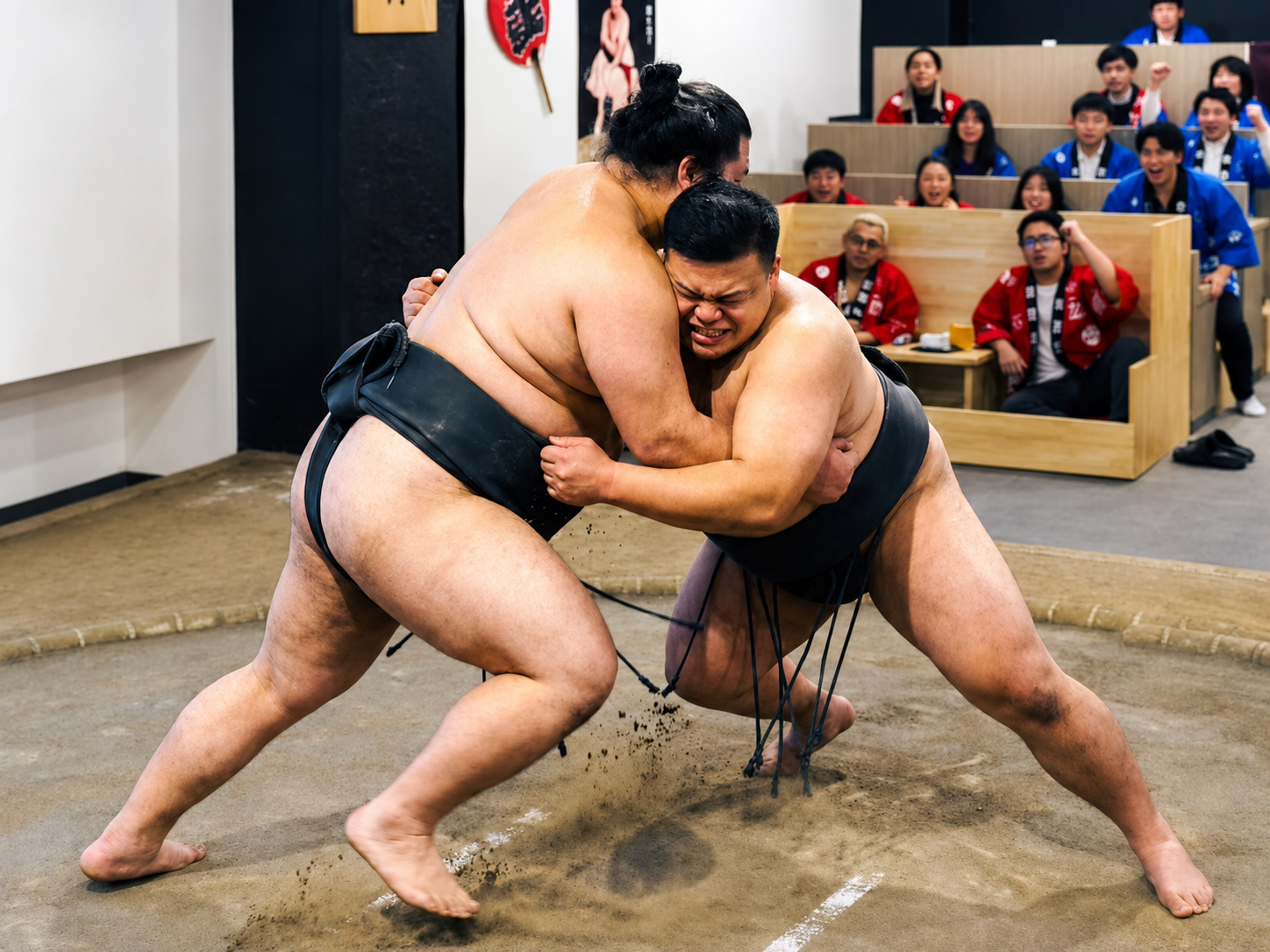
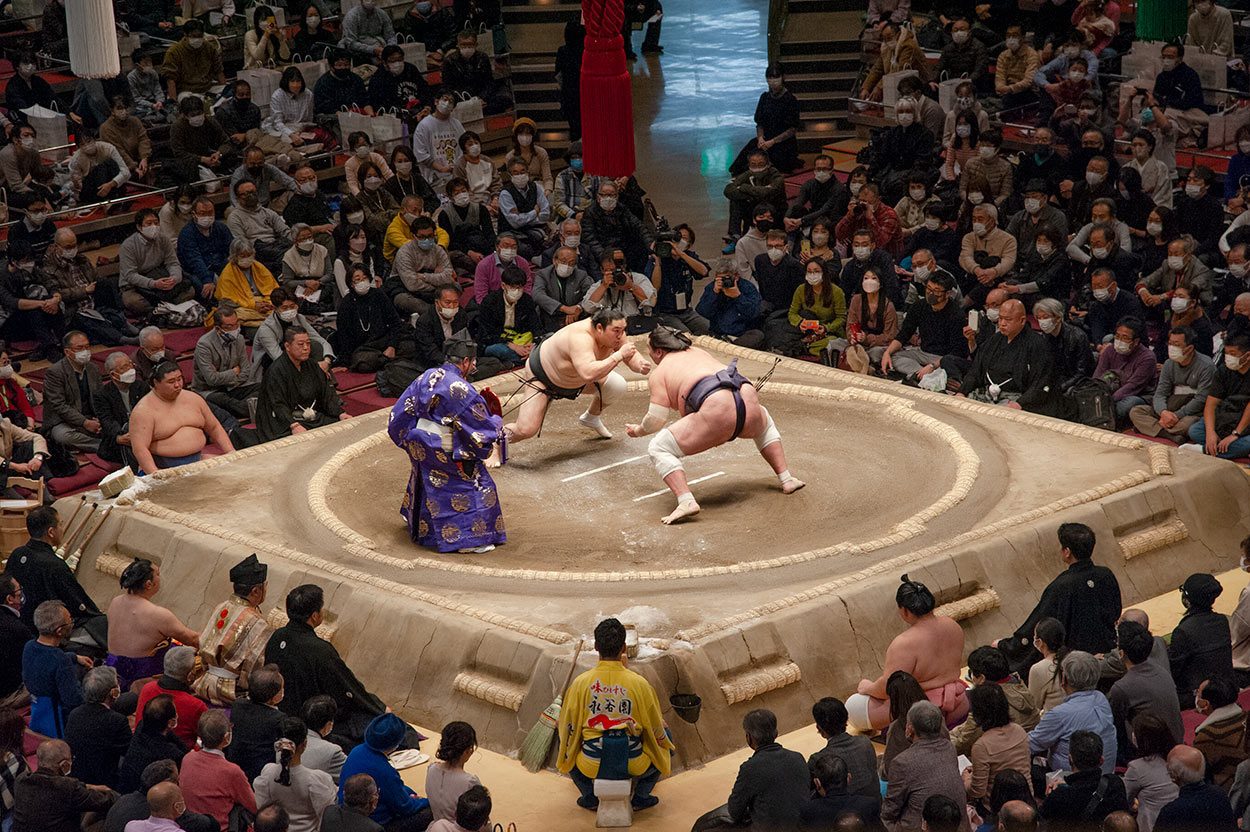
The oyakata claps once. Two wrestlers crouch, eyes locked, then collide with a sound like a bass drum struck underwater. You watch 90 minutes of this: the slap of palms on thighs during shiko stomps, the scrape of feet across clay, the senior wrestler who pins a junior and holds him there, teaching leverage through pain.
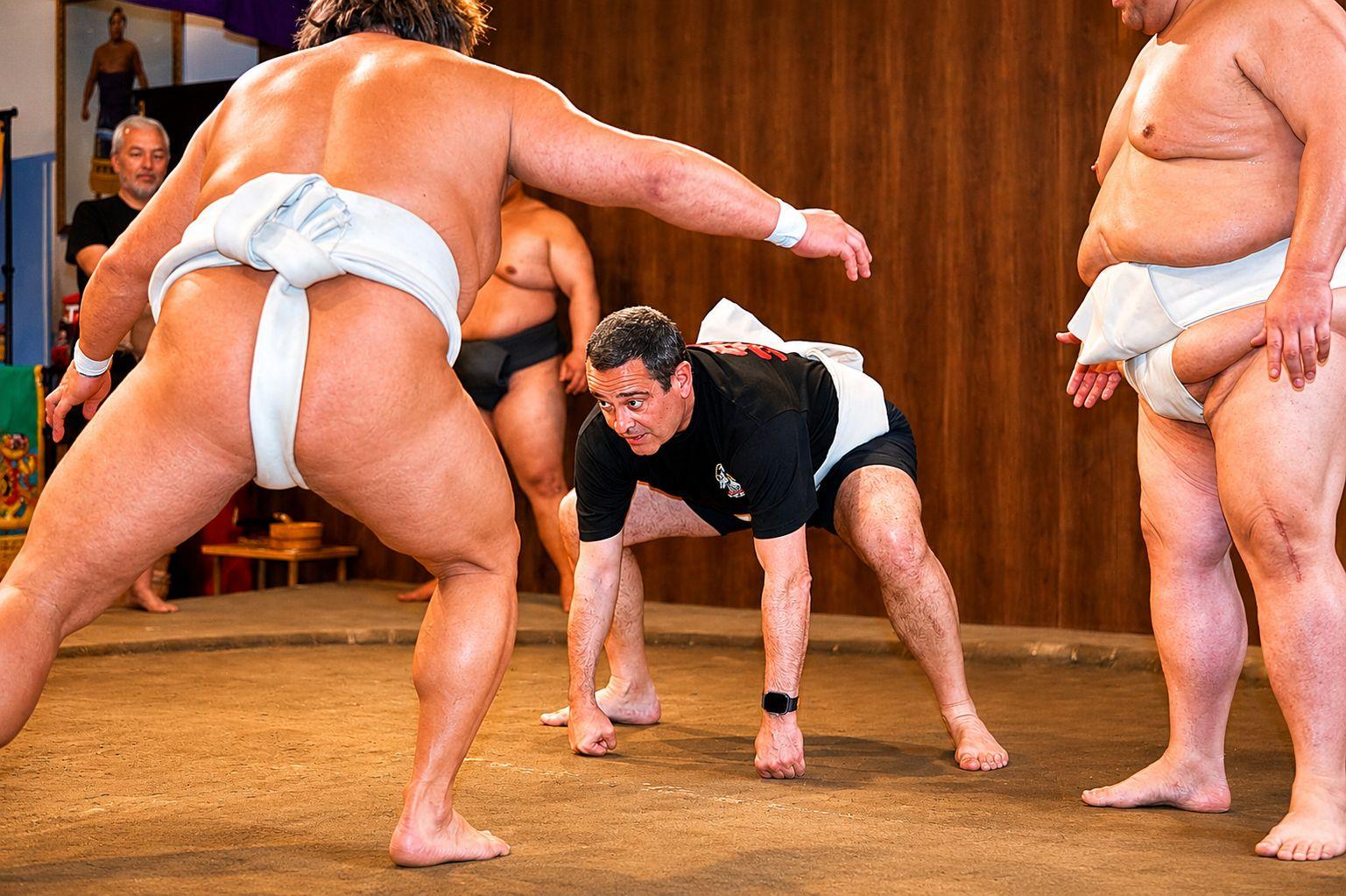
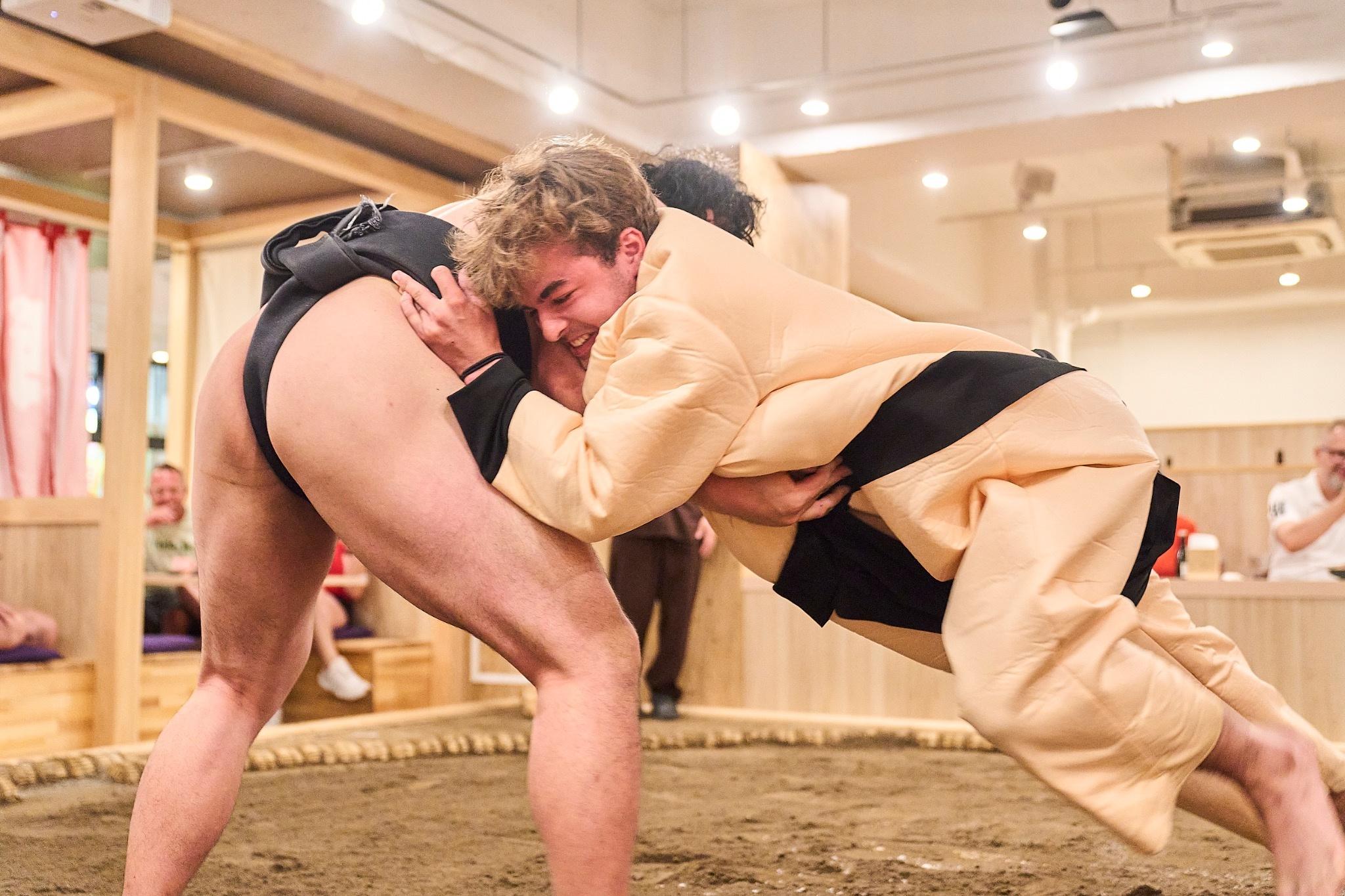
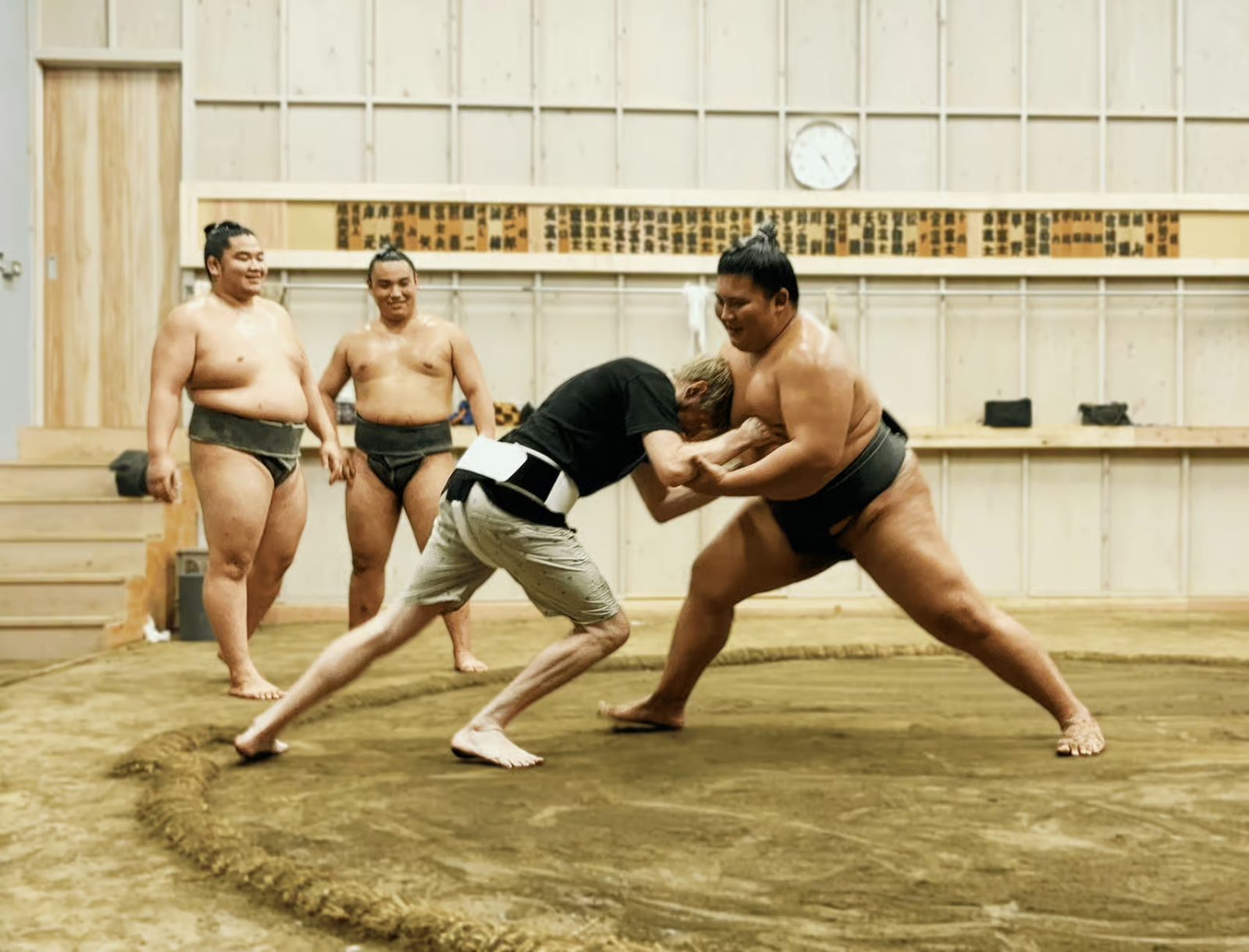
After practice, you're led to the stable's dining hall. Chanko-nabe bubbles in a wide pot — chicken thighs, tofu, leeks, and broth that smells of ginger and soy. You eat beside the rikishi, who consume rice in quantities that empty serving bowls within minutes. Then comes your turn in the ring. You tie a cotton mawashi around your waist, step onto clay that gives slightly under your weight, and attempt a charge against a retired wrestler who stops you with one hand. He adjusts your stance, corrects your grip, and lets you try again. You leave Ryōgoku with salt on your hands and the memory of controlled violence made ritual.
All the details about your upcoming adventure in one place
Ryōgoku Kokugikan opened in 1985 as the fourth iteration of Japan's premier sumo venue, replacing the 1954 hall destroyed by fire fears and capacity limits.
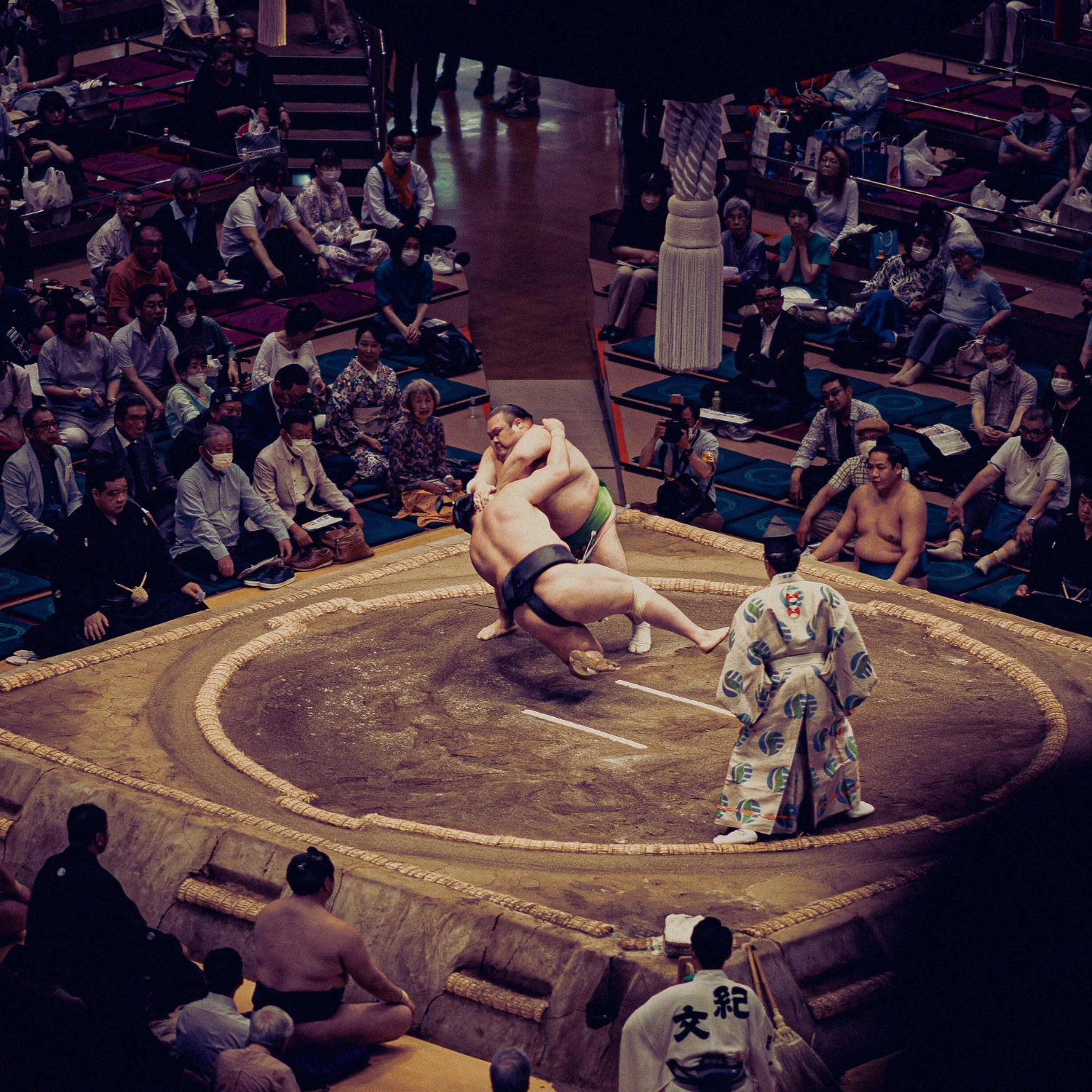
The 11,098-seat arena hosts three of the six annual honbasho tournaments, and its Sumo Museum preserves 300 years of banzuke ranking sheets, ceremonial kesho-mawashi aprons embroidered with silk and gold thread, and woodblock prints depicting Edo-era wrestlers whose legends shaped modern ritual. Free admission to the museum makes it Tokyo's most accessible window into a sport that predates written records, though tournament tickets — sold months ahead for January, May, and September basho — command premium prices for ringside zabuton cushions.
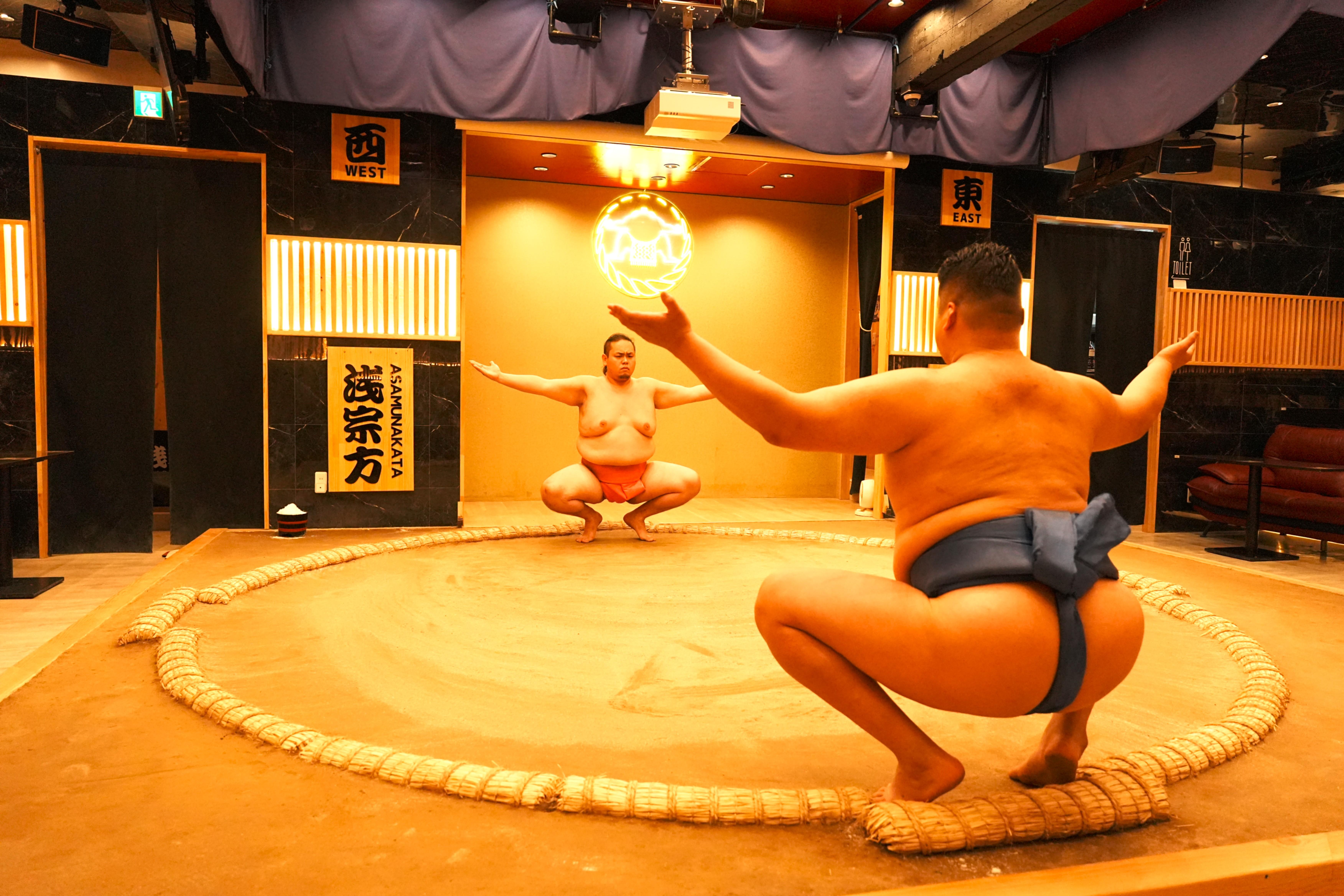
Sumo wrestling Tokyo training unfolds not in the Kokugikan itself but in the 40-odd heya stables scattered within walking distance of the arena, where rikishi wake at 5:00 to begin keiko sessions under oyakata stable masters. Morning practice is closed to casual visitors, but licensed tour operators secure access to select stables where observers sit cross-legged on wooden floors, silent, as wrestlers repeat shiko leg-stomping drills, clash in moshi-ai sparring bouts, and absorb scoldings delivered in rapid-fire Japanese. The dohyo ring — 4.55 metres of clay packed with river sand and marked by rice-straw bales — is rebuilt before each tournament, a Shinto purification process involving buried sake, salt, and dried chestnuts.
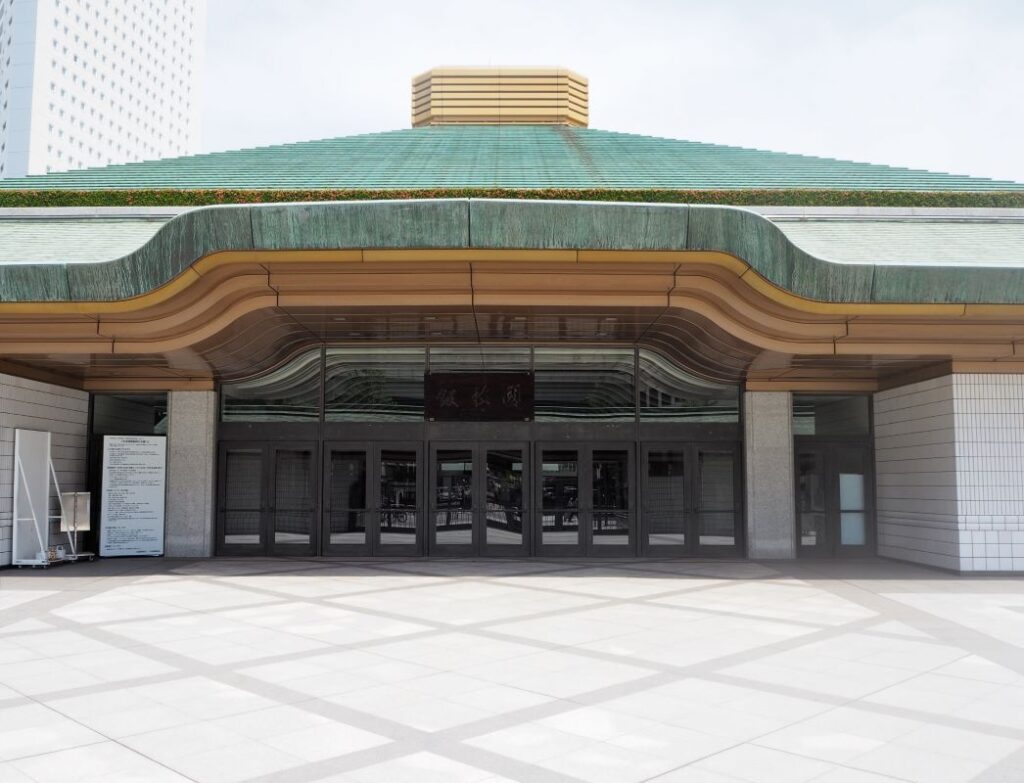
The sport's rank hierarchy is absolute: yokozuna grand champions train last, eat first, and retire with lifetime stipends, while jonokuchi novices scrub floors, launder mawashi belts, and endure years before earning a salary. Chanko-nabe hot pot, the protein-dense stew consumed in vast quantities by rikishi aiming to bulk past 150 kilograms, is served in stable kitchens and replicated in Ryōgoku's chanko restaurants. Western tourists often book combination packages that pair stable visits with chanko lunches and ring challenges, where participants don mawashi and attempt suriashi sliding steps under a retired wrestler's guidance. The Kokugikan's design mirrors this blend of sacred and spectator: the roof hangs suspended without pillars, a 1960s engineering feat, while Shinto tassels dangle from corners to honor deities invoked before every match.

The dohyo ring is rebuilt before each tournament, a Shinto purification process involving buried sake, salt, and dried chestnuts.
Casual attire is appropriate for visiting the Sumo Museum at Ryōgoku Kokugikan. Please ensure clothing is respectful when observing the surrounding Sumo training culture.
Large luggage is discouraged as there are no storage facilities at Ryōgoku Kokugikan. Be prepared for security checks when entering the facility for a sumo wrestling tokyo training tour.
Photography is permitted in the Sumo Museum at Ryōgoku Kokugikan. Please avoid using flash and respect the privacy of professional athletes participating in sumo wrestling tokyo training.
The Sumo Museum is suitable for families interested in learning about the sport. Children must be supervised at all times during any sumo wrestling tokyo training.
The facility is wheelchair accessible, with elevators available to reach the museum. Staff can assist visitors attending a sumo wrestling tokyo training session.
Eating and drinking are strictly prohibited inside the Sumo Museum exhibits. Please dispose of any food items before entering for your sumo wrestling tokyo training.
Opening Hours
10:00–16:30
Address
1-3-28 Yokoami, Sumida-ku, Tokyo 130-0015
Entry Fee
0 JPY (Sumo Museum)
Best Window
10:00–16:00
Storage
Not available on-site
Contact
03-3623-5111
Public transport · 2 min · 200 JPY
Take the JR Chuo-Sobu Line to Ryōgoku Station and walk 2 minutes.
Tournament tickets are separate from museum access and follow specific operator terms. Check your individual sumo wrestling tokyo training tickets for exact refund eligibility.
Recommended time
1-2 hours
Plan for a focused experience at the Sumo Museum, as the facility allows visitors to explore exhibits during the Best arrival window: 10:00–16:00. This duration is sufficient for those interested in sumo wrestling tokyo training documentation and artifacts, though you should allocate extra time if you are browsing the gift shop. While independent visits are straightforward, those booking sumo wrestling tokyo training tours or a sumo wrestling tokyo training tour should confirm their meeting times in advance. Note that sumo wrestling tokyo training tickets are not required for museum entry, which remains free of charge.
Crowd levels through the day
Weather · crowds · average price — dots go green to amber to red as each metric rises.
Mild weather perfect for walking tours of the district.
Expect high humidity; visit the museum to cool off.
Pleasant temperatures ideal for outdoor exploration near the arena.
Crisp air and fewer crowds in the museum.
Enter the Sumo Museum for 0 JPY during the week.
Visit between 10:00 and 16:00 to avoid closing time rush.
Study the history at the museum before your sumo wrestling tokyo training tour.
Use the West Exit of JR Ryōgoku Station for the quickest walk.
The roots of sumo wrestling tokyo training extend back to Shinto shrine rituals in the eighth century, when matches honored the gods during harvest festivals. By the Edo period (1603–1868), professional wrestlers trained in outdoor rings managed by merchant patrons, performing bouts on raised earthen platforms for paying crowds in Ryōgoku. The neighborhood's proximity to the Sumida River made it a natural gathering place, and by 1784 the Tokugawa shogunate had sanctioned regular tournaments there. Wrestlers lived in communal stables—heya—where rigorous discipline and hierarchical order shaped every aspect of daily life, from dawn training sessions to meal preparation by junior apprentices. The first permanent Kokugikan opened in Ryōgoku in 1909, replacing temporary structures with a modern steel-framed arena seating 13,000 spectators. The building introduced electric lighting and Western-style seating, transforming sumo from an open-air spectacle into a controlled indoor sport. Fire destroyed the original hall in 1917; its replacement stood until 1945, when Allied bombings leveled the site. Post-war sumo wrestling tokyo training tours resumed in makeshift venues until 1950, when the Japan Sumo Association constructed a new Kokugikan in Kuramae. That facility served three decades before the current Ryōgoku Kokugikan opened in 1985, designed with a sweeping roof and capacity for 11,098 attendees. The modern hall houses the Sumo Museum, which displays ceremonial aprons, tournament records, and woodblock prints documenting centuries of wrestler lineage. Today's training stables preserve Edo-era protocols: wrestlers rise before dawn to practice shiko leg stomps and teppo pole strikes, eat chanko-nabe stew to gain weight, and observe strict seniority rules. The Kokugikan hosts three of Japan's six annual honbasho tournaments, with January, May, and September matches drawing crowds who witness the enduring rituals—salt purification, ring-entering ceremonies, and referee signals unchanged since the eighteenth century. The venue's architecture anchors Ryōgoku as the symbolic heart of sumo wrestling tokyo training tickets, blending modernized facilities with centuries-old tradition.
Shinto priests conduct ritual wrestling matches at harvest festivals to honor agricultural deities.
Tokugawa shogunate authorizes the first professional sumo tournament in Edo, establishing Ryōgoku as the sport's geographic center.
Japan Sumo Association opens the original Kokugikan in Ryōgoku, introducing steel construction and electric lighting to replace temporary outdoor venues.
Allied bombing destroys the second Kokugikan; post-war tournaments move to temporary halls while reconstruction plans develop.
New Kokugikan opens in Kuramae district to accommodate growing audiences and standardize tournament conditions.
Current Ryōgoku Kokugikan inaugurated with modern seating for 11,098 spectators, reinforcing the neighborhood's historic role in sumo culture.
Capture the traditional wooden signage and main gateway architecture before heading inside to explore historical banzuke rankings. Stand centered in the courtyard for a symmetrical perspective of the building facade.
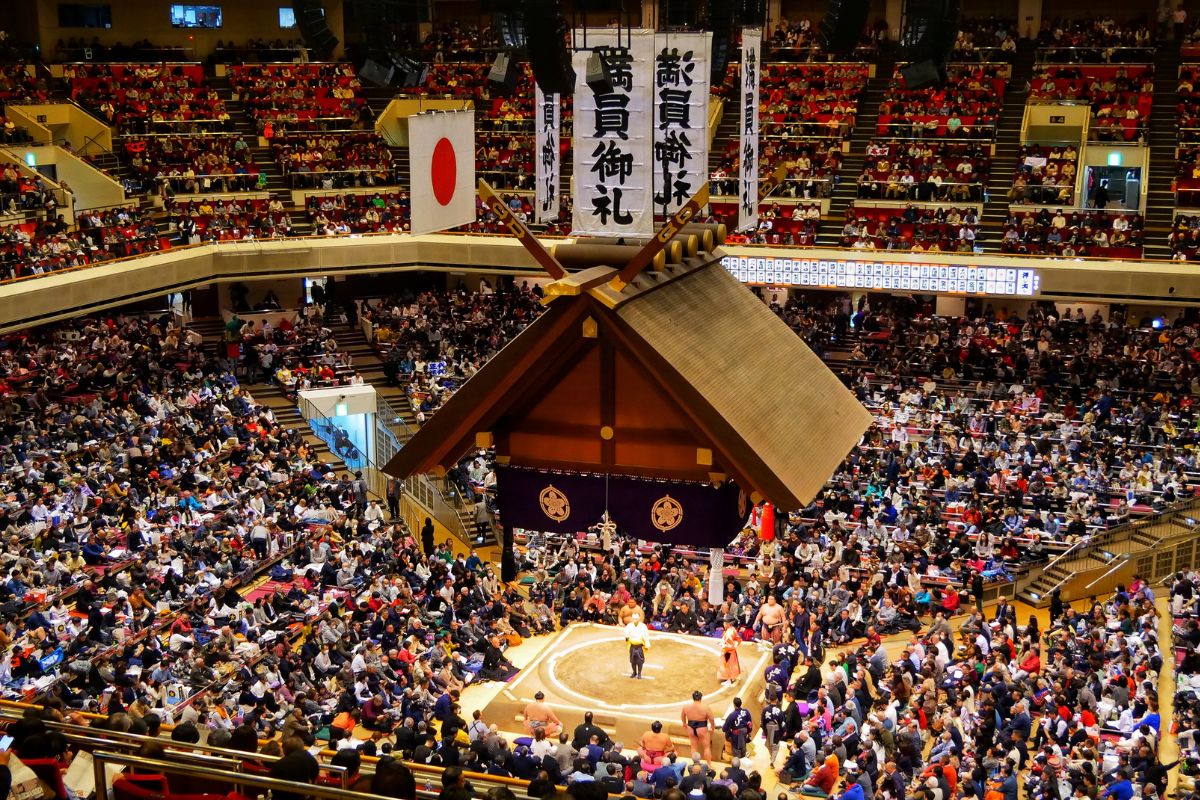
Frame the expansive interior space featuring the banners of former champions and tournament memorabilia. This spot provides context for sumo wrestling tokyo training tours by showing where rikishi operate during major events.
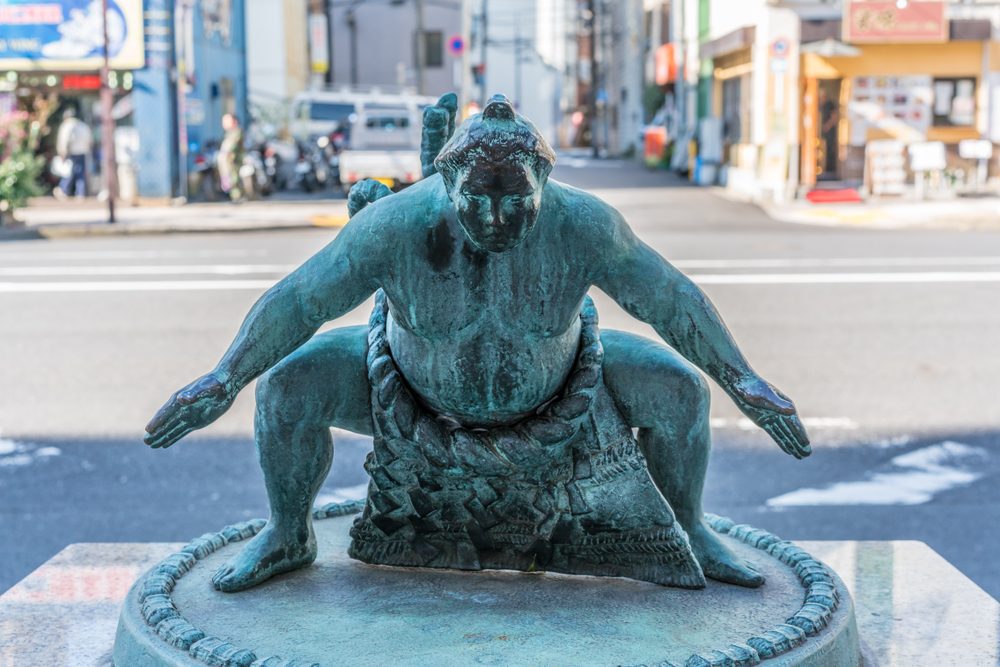
Photograph the bronze statue of a rikishi in the pose of a tachi-ai start, located near the building perimeter. This is a common meeting point for those participating in a sumo wrestling tokyo training tour.
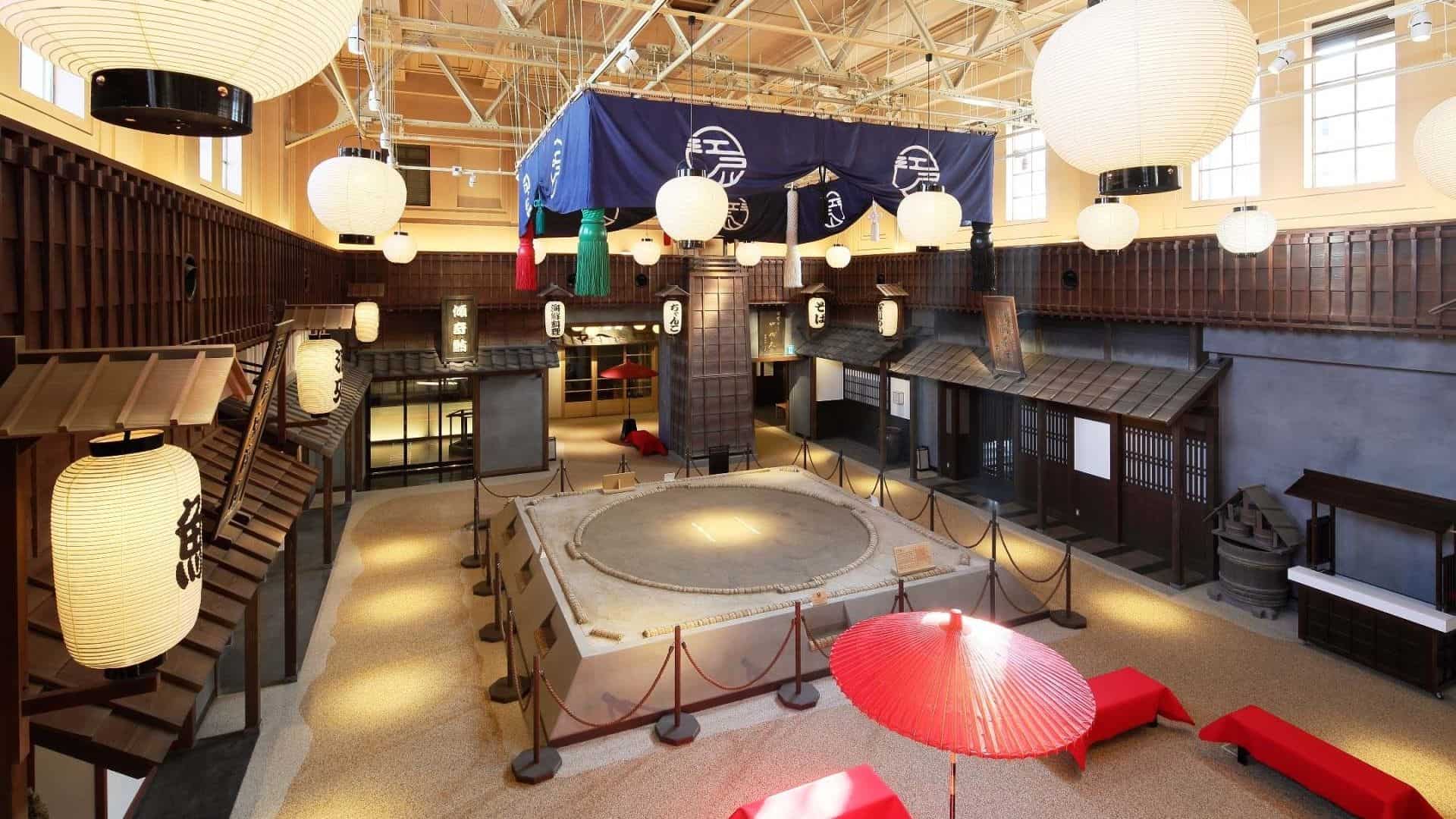
This historical recreation area adjacent to the stadium offers a nostalgic atmosphere reflecting the origins of sumo wrestling tokyo training tickets holders often visit. Focus on the hanging lanterns and the indoor ring installation for a textured composition.
Exploring the world of sumo wrestling tokyo training at Ryōgoku Kokugikan allows families to experience the cultural heritage of the sport through the museum exhibits. Visiting the site provides a quiet space for children to learn about the history of professional rikishi wrestlers.
The venue is generally stroller-friendly, though you should be prepared to park them in designated areas before entering the museum galleries. Navigating the wide hallways is straightforward with young children in tow during the week.
The building includes accessible restrooms with baby-change tables, ensuring basic needs are met while you explore the history of the sport. These facilities are maintained to a high standard, supporting parents who require extra space.
This destination is best suited for school-aged children who can appreciate the historical artifacts and the cultural significance of the ring. Younger toddlers may find the quiet museum atmosphere challenging during sumo wrestling tokyo training tours.
Plan to spend about an hour in the museum, as the space is compact and focused on specific historical displays. You can easily manage your schedule by utilizing the official arrival window of 10:00–16:00 to avoid any potential congestion.
The museum serves as an excellent indoor activity when weather interferes with outdoor Tokyo sightseeing. Since admission is 0 JPY, it remains a reliable backup for families seeking low-cost education when looking into sumo wrestling tokyo training tickets.
Visitors seeking food near sumo wrestling tokyo training sites often prioritize Chanko Nabe, the protein-rich stew fueling athletes. While there is no full-service restaurant inside the Ryōgoku Kokugikan, the surrounding streets offer authentic options for those finishing their sumo wrestling tokyo training tours.
Specializing in traditional recipes served by retired wrestlers, this spot is perfect for experiencing authentic flavors. It is a popular choice for those finishing their sumo wrestling tokyo training tour after a museum visit.
Everything you need to know for your journey
Tournament tickets are separate from general museum access; check our live inventory for specific sumo wrestling tokyo training tickets.
The facility is open Monday to Friday from 10:00–16:30.
No, the Sumo Museum is closed on Saturdays and Sundays.
Yes, pre-booking your sumo wrestling tokyo training tour ensures your spot.
Entry to the museum is 0 JPY, though special tournaments require tickets.
Plan for about 60 minutes to fully appreciate the sumo wrestling tokyo training history.
Yes, the museum is fully wheelchair accessible for your sumo wrestling tokyo training visit.
Non-flash photography is allowed in the museum, but avoid disruption during sumo wrestling tokyo training.
The best arrival window is 10:00–16:00 to ensure entry and avoid crowds.
Explore the history of Tokyo with life-sized exhibits.
Conveniently located near the sumo arena.
Join thousands of happy travelers who have discovered this incredible experience
Book Your Experience Now