1 hr 15 min
Shinjuku Sumo Show & Wrestler Challenge Experience
- Entry ticket
- Mobile voucher
- Valid same day
- Free cancellation
Sumo Wrestling Tokyo Tournament 2026 — Ryōgoku Kokugikan
Witness centuries-old ritual combat, where salt purifies the ring and silence precedes thunderous collision
Compare fares, pick the fit — all bookings are mobile-voucher and eligible for free cancellation where shown.
1 hr 15 min
2 hr
1 hr 30 min
Selecting the right ticket for the sumo wrestling tokyo tournament 2026 at Ryōgoku Kokugikan requires choosing between traditional floor-level intimacy and elevated, comfortable chair seating. These sumo wrestling tokyo tournament 2026 tours and individual tickets offer different ways to experience the intensity of the dohyo.
|
Top pick Chair Seats Balcony level (Western-style) |
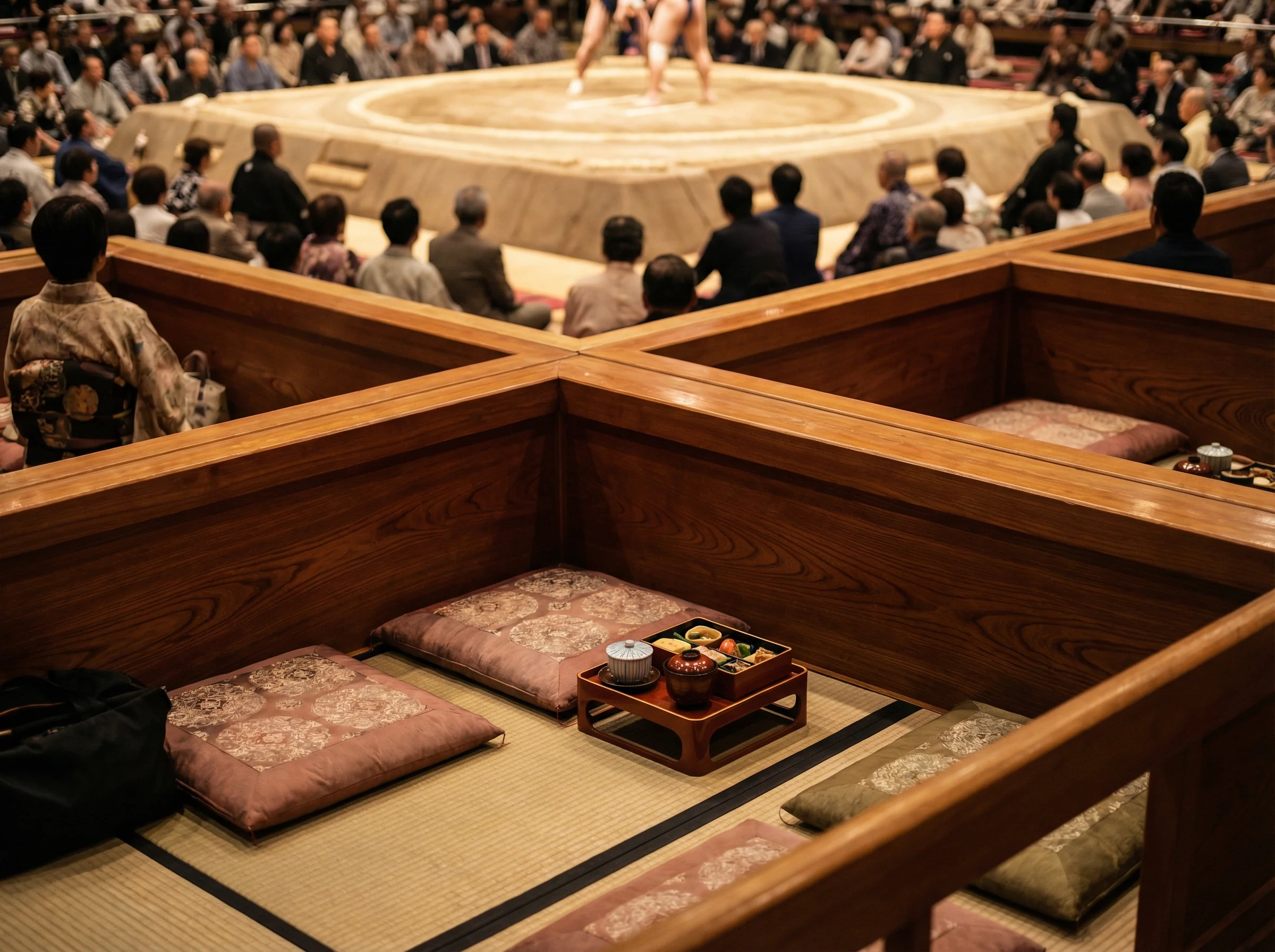
Masu Box Seats 1st floor (Tatami floor) | |
|---|---|---|
| View level | 2nd Floor Balcony | 1st Floor Arena |
| Seating style | Individual chairs | Tatami floor cushions |
| Food & Drink | Allowed | Allowed |
| Capacity per ticket | Single seat | 4-person box |
| Best for | First-timers/Comfort | Traditional culture/Groups |
| See tickets & prices |
Verdict: For the most comfortable experience, first-time visitors should choose chair seats, while those seeking a traditional sumo wrestling tokyo tournament 2026 tour atmosphere may prefer the authentic box seats.
Worth it for cultural purists only
The sumo wrestling tokyo tournament 2026 at Ryōgoku Kokugikan offers an authentic cultural experience that commercial sumo shows cannot replicate—the ritual purity of the dohyō, the hierarchy of ranked bouts building toward yokozuna matches, and the atmosphere of 11,000 spectators witnessing Japan's national sport in its sanctioned form. At 2,500 JPY for the lowest chair seat, the price is reasonable for a full-day event. However, tournaments run only six times annually with limited dates, and the experience demands patience: lower-division bouts occupy most of the day, commentary is in Japanese, and the tournament schedule may not align with your trip. The commercial sumo shows listed—ranging from Shinjuku to Ginza—provide English explanations, wrestler interaction, chanko nabe meals, and flexible daily scheduling. For travelers prioritizing cultural immersion over convenience, sumo wrestling tokyo tournament 2026 tours justify the coordination effort. For those wanting a digestible introduction to sumo traditions with guaranteed availability, the smaller sumo show experiences deliver better practical value despite lacking the gravitas of Ryōgoku Kokugikan's sacred ring.
Bottom line: Book sumo wrestling tokyo tournament 2026 tickets if your dates align and you value ritual over convenience; otherwise, commercial sumo shows offer reliable access to the sport's traditions year-round.
They complement each other; most visitors who do both call the sumo wrestling tokyo tournament 2026 the more thrilling, high-energy spectacle, while Senso-ji offers a tranquil dive into Tokyo's spiritual roots.
|
Top pick Ryōgoku Kokugikan |
Senso-ji Temple | |
|---|---|---|
| Focus | Sporting intensity and ritual | Spiritual heritage and history |
| Best time | 08:45–14:00 (tournament days) | Early morning or sunset |
| Price | 2,500 JPY (starting) | Free admission |
| Duration | Full-day engagement | 1–2 hours |
| Seasonality | Jan, May, Sept tournaments | Open year-round |
| Vibe | High-energy, tradition-packed | Serene, culturally immersive |
| Booking | Tickets required in advance | No booking necessary |
| See tickets & prices |
Verdict: Choose the sumo wrestling tokyo tournament 2026 tour if you want a pulse-pounding cultural event, or visit Senso-ji for a flexible, cost-free exploration of traditional Tokyo landmarks.
Hand-picked experiences loved by thousands of travelers
70 minutes
Free Cancellation
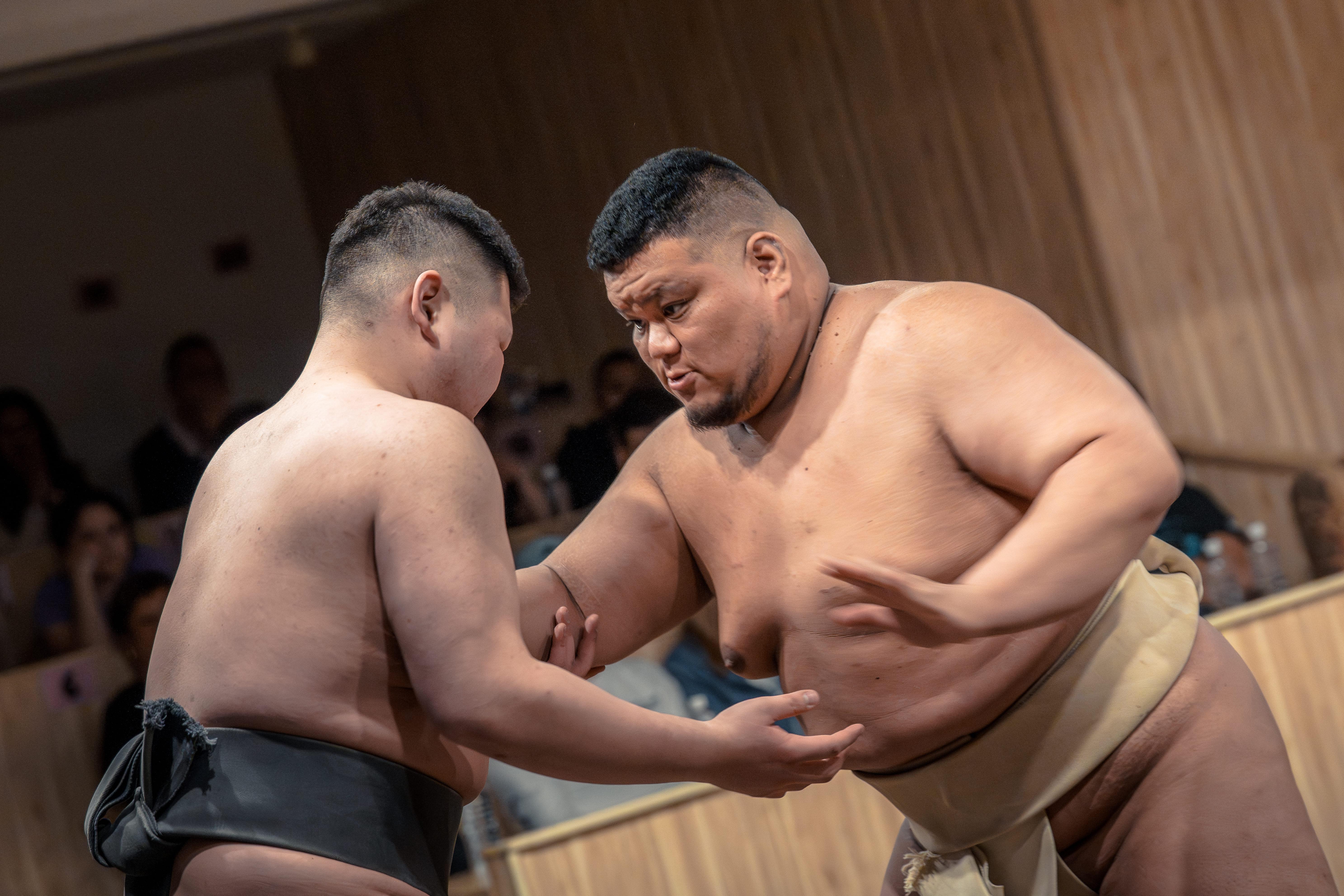
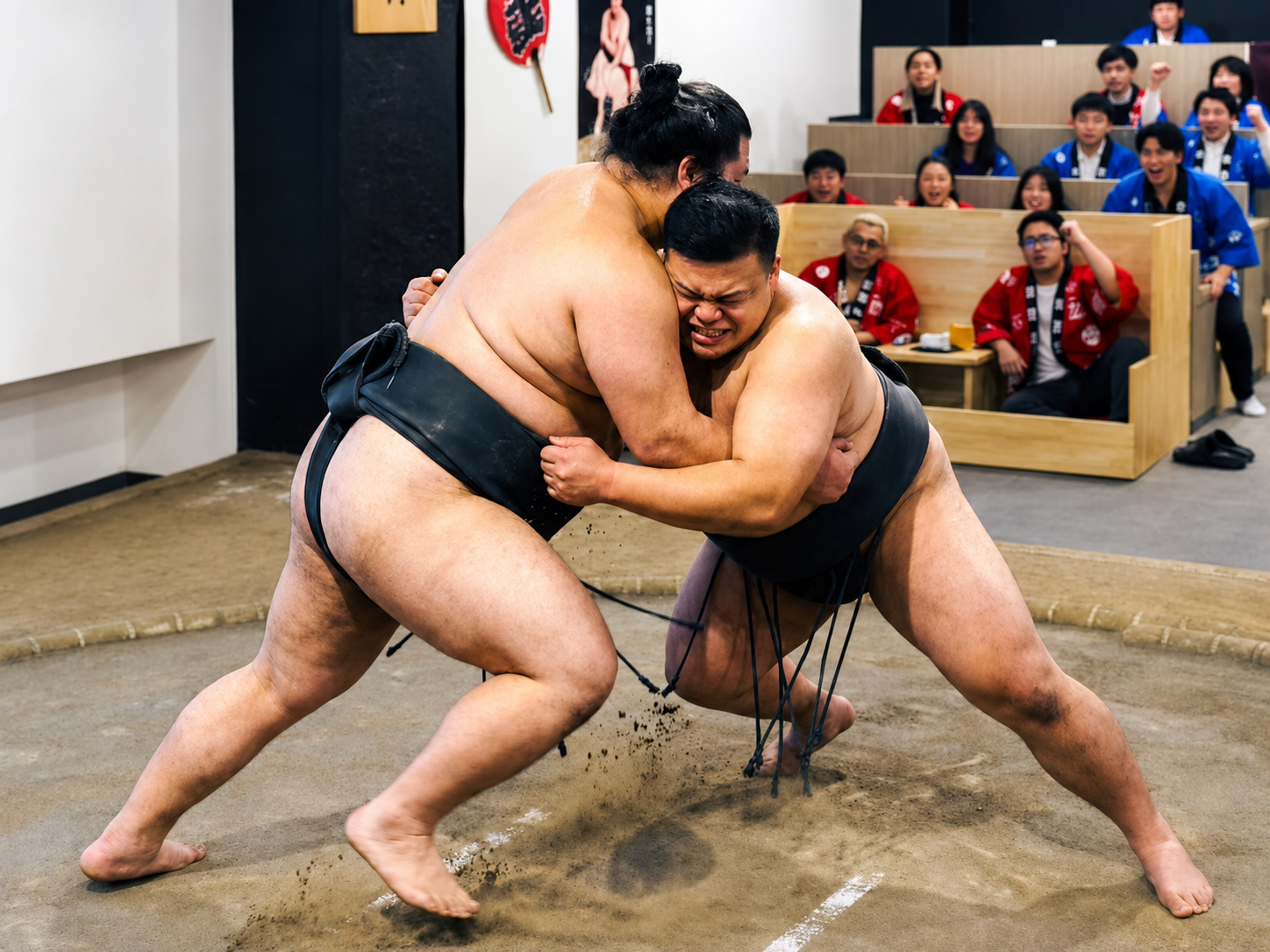
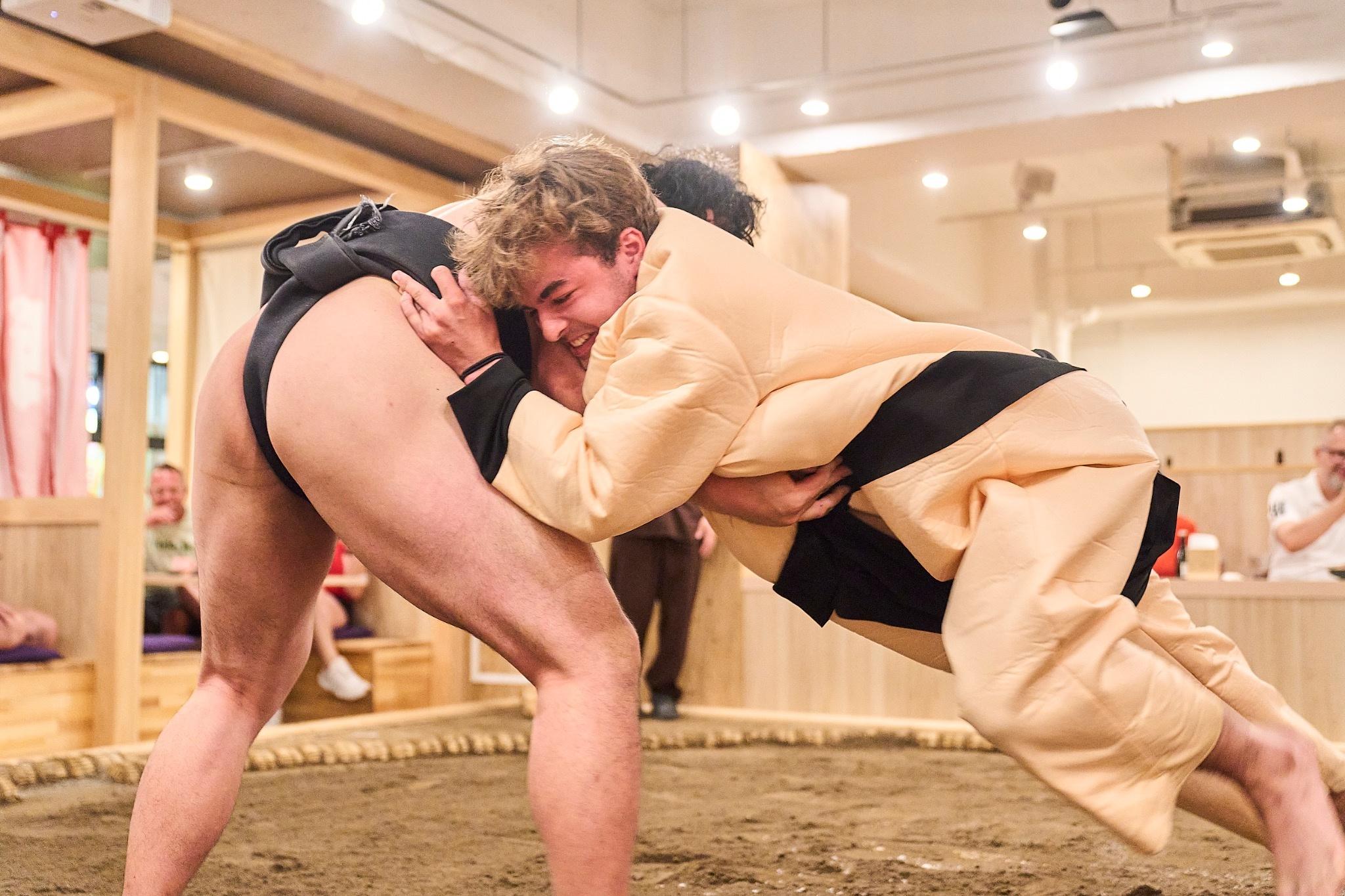
Watch live sumo demonstrations, step into the ring to face a wrestler, and snap photos in this interactive Shibuya experience
1 hour 30 minutes
Free Cancellation
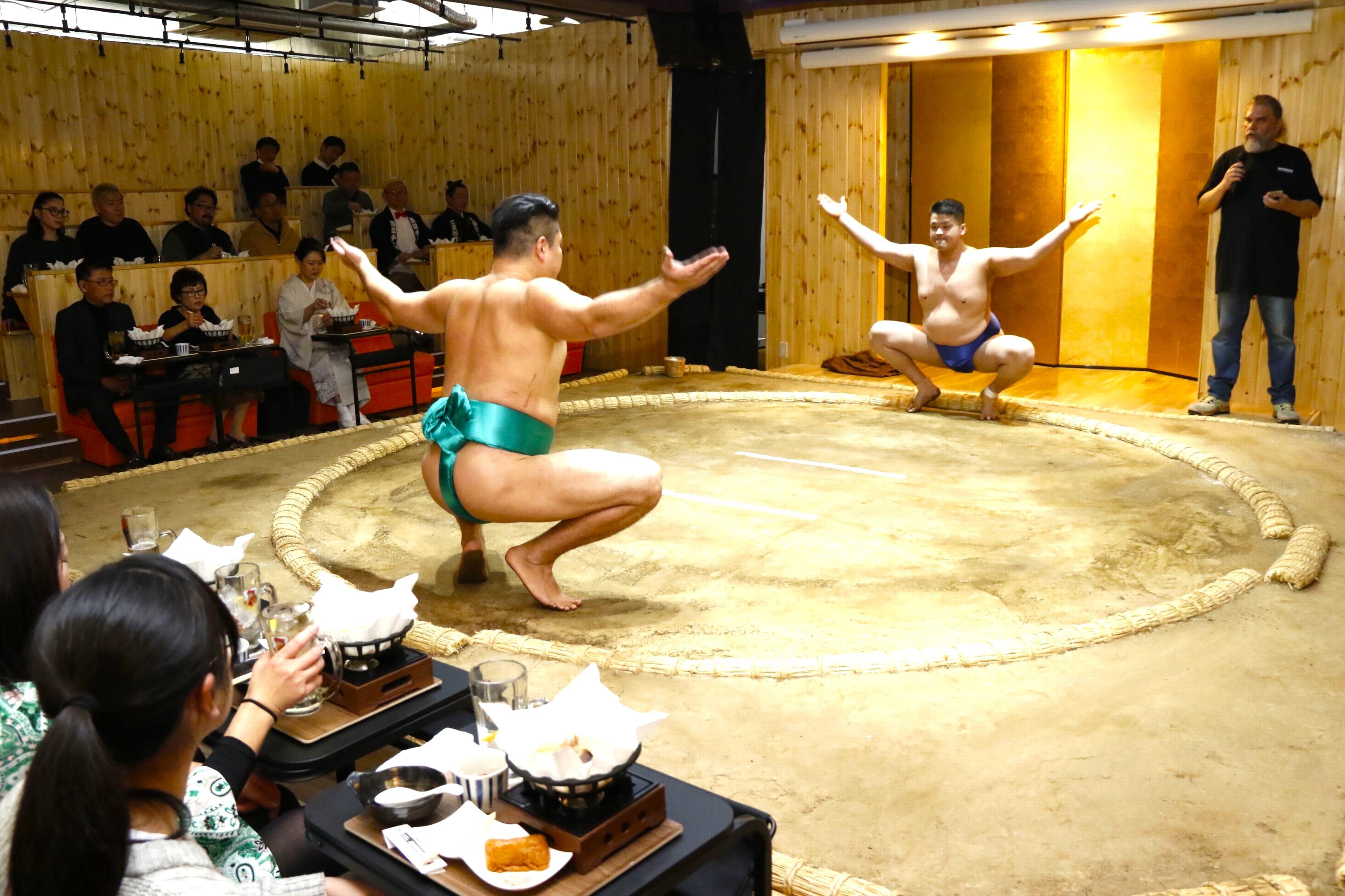
Watch retired professionals demonstrate Japan's ancient sport in an intimate Ginza venue with chanko meal
4–5 hours
Watch elite wrestlers compete at Ryōgoku Kokugikan with reserved seating and expert commentary
1.5 - 2 hours
Free Cancellation
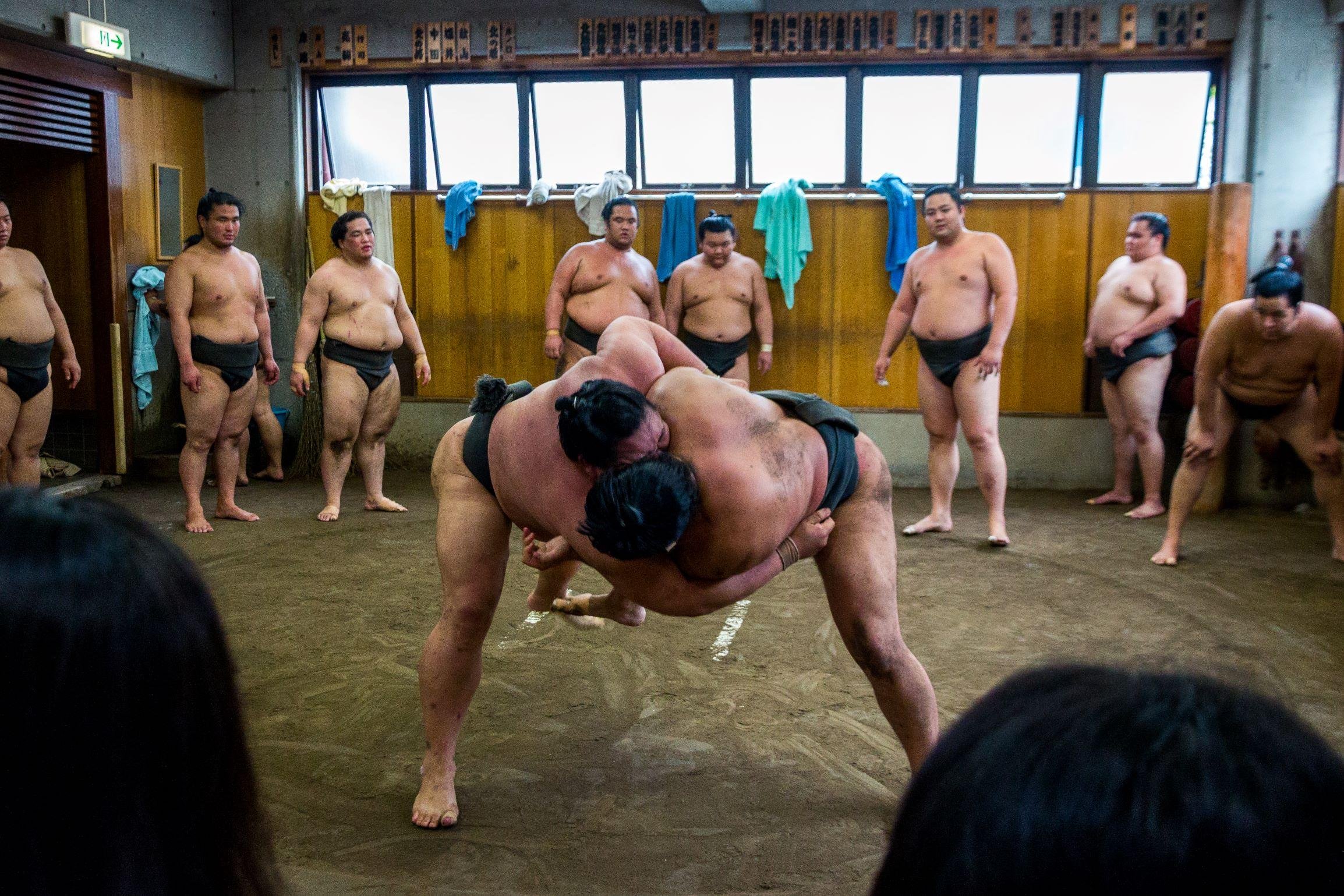
Step inside an authentic sumo training facility and witness wrestlers prepare for tournament competition
2 hours
Free Cancellation
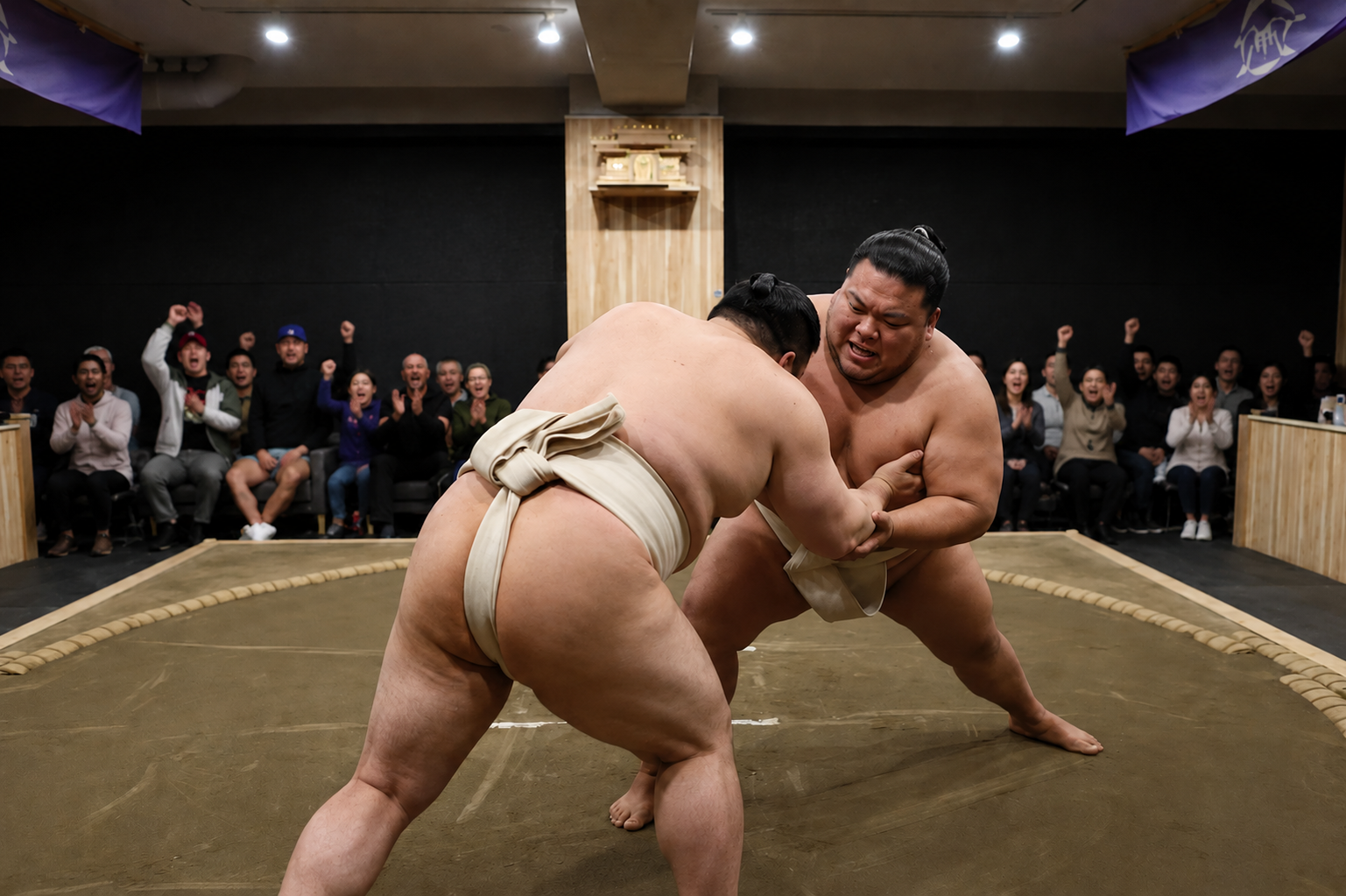
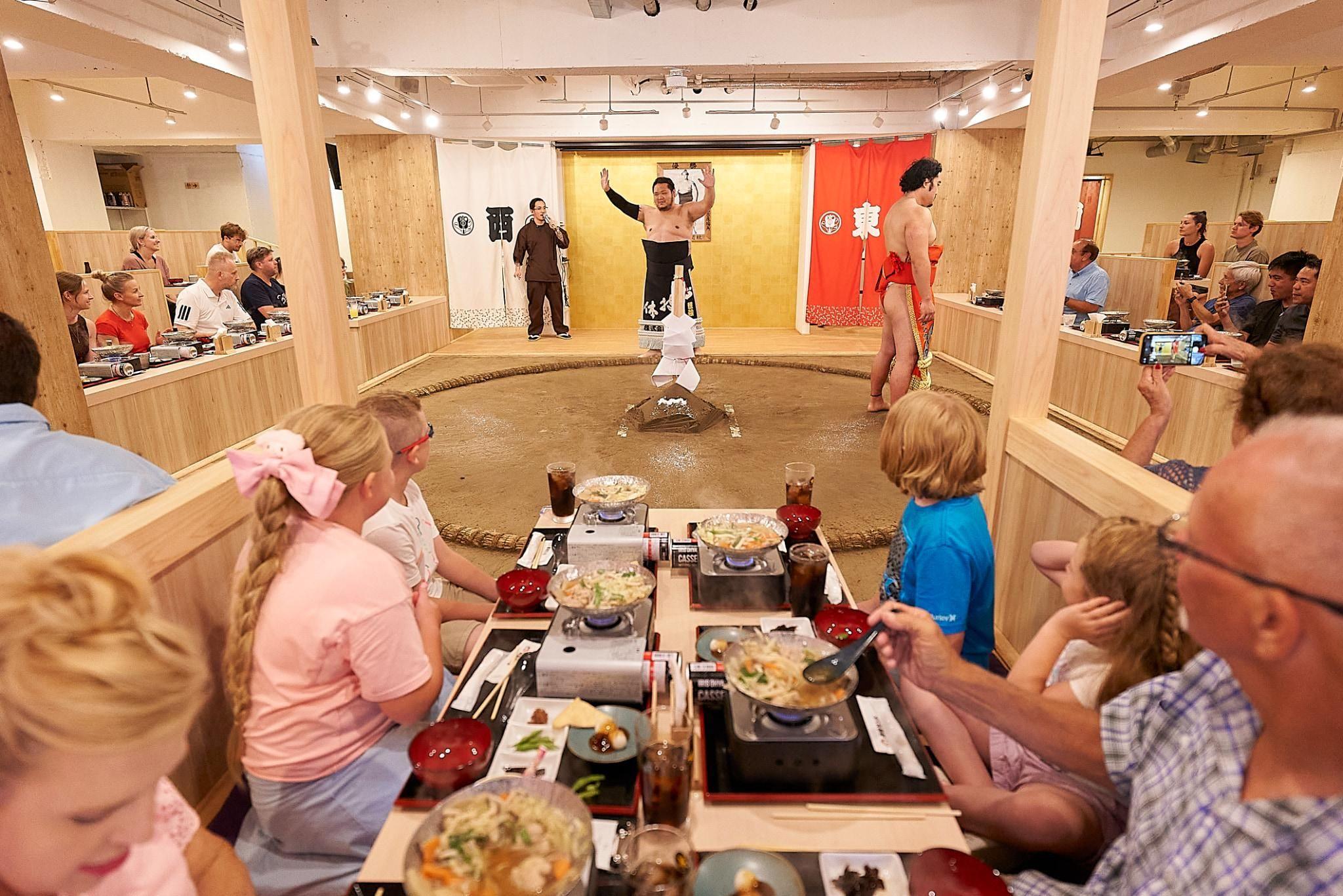
Get ringside with real sumo wrestlers in Ryogoku, enjoy traditional chanko hot pot, and step into the ring yourself
2 hours
Free Cancellation
Train with former champions, watch live bouts, and feast on chanko hotpot in Ryogoku's sumo heartland
1 hour
Free Cancellation
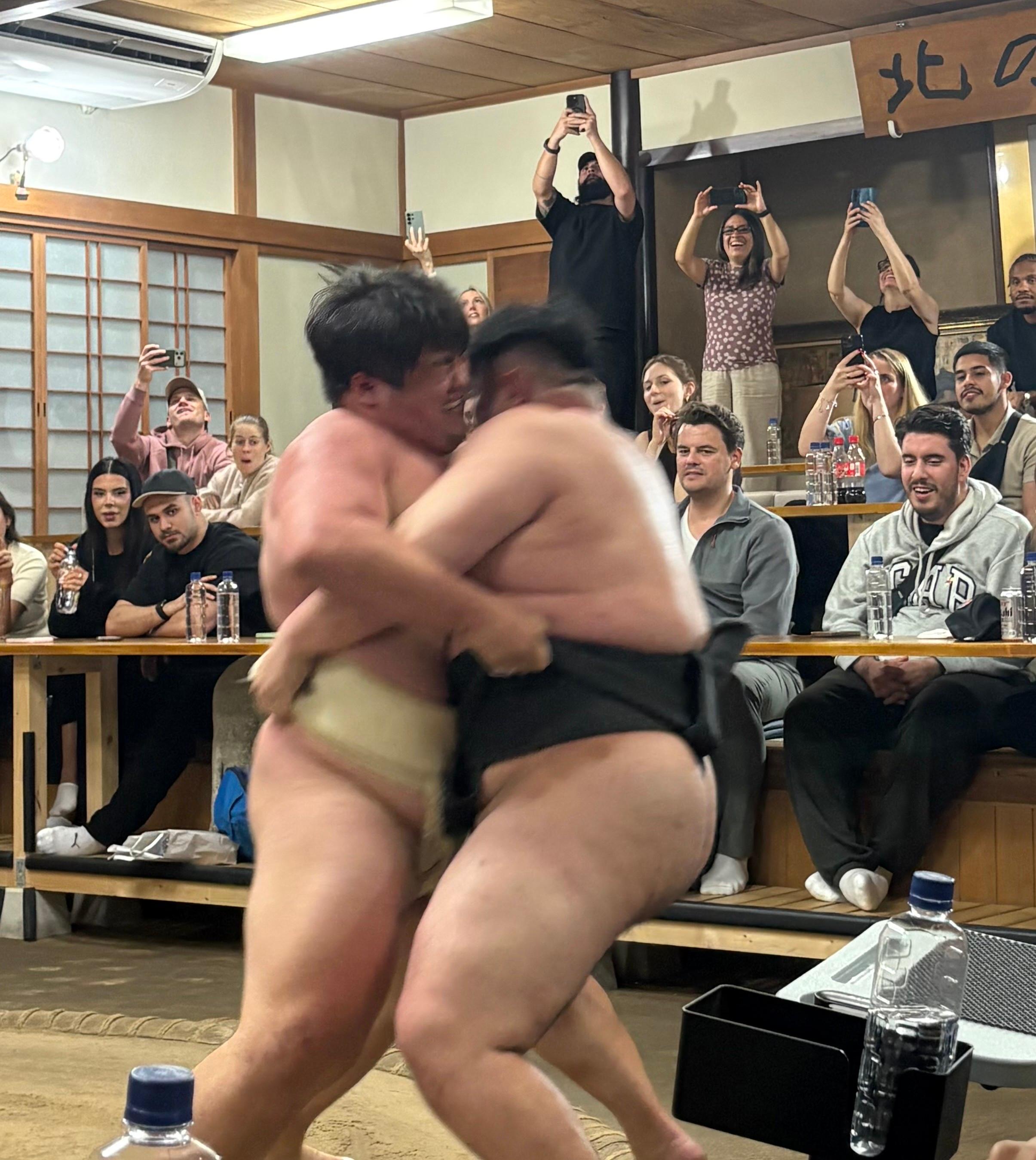
Get up close with sumo wrestlers in Ryogoku. Watch live bouts, step into the ring yourself, and snap photos with the athletes.
2 hours
Free Cancellation
Watch retired wrestlers perform traditional bouts ringside while savoring wagyu sukiyaki and chanko nabe
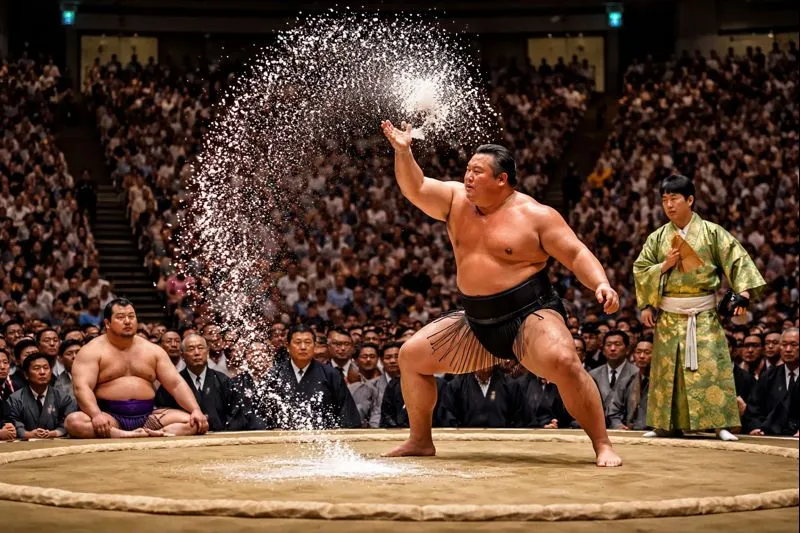
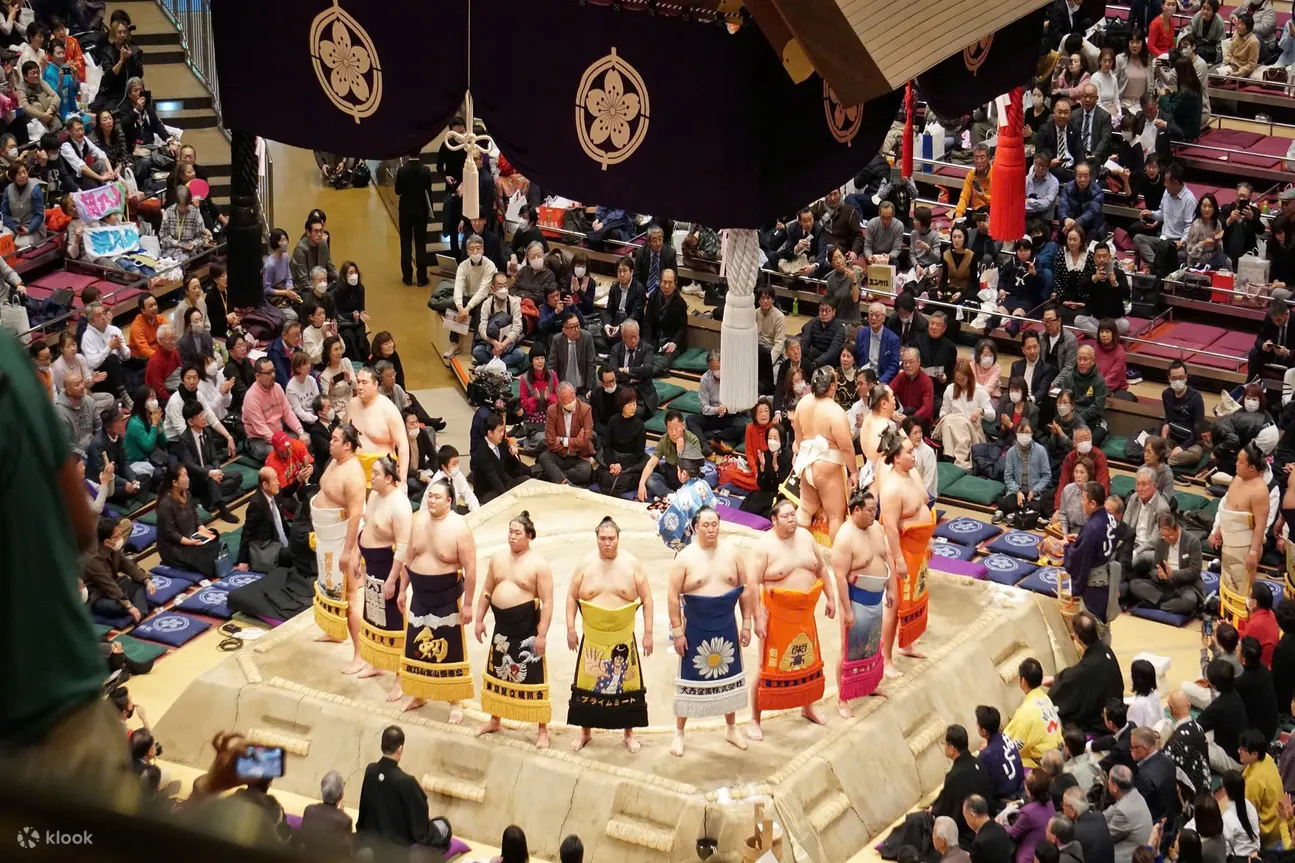
The sacred clay ring is constructed from Arakida earth and is where the main bouts take place during the sumo wrestling tokyo tournament 2026.
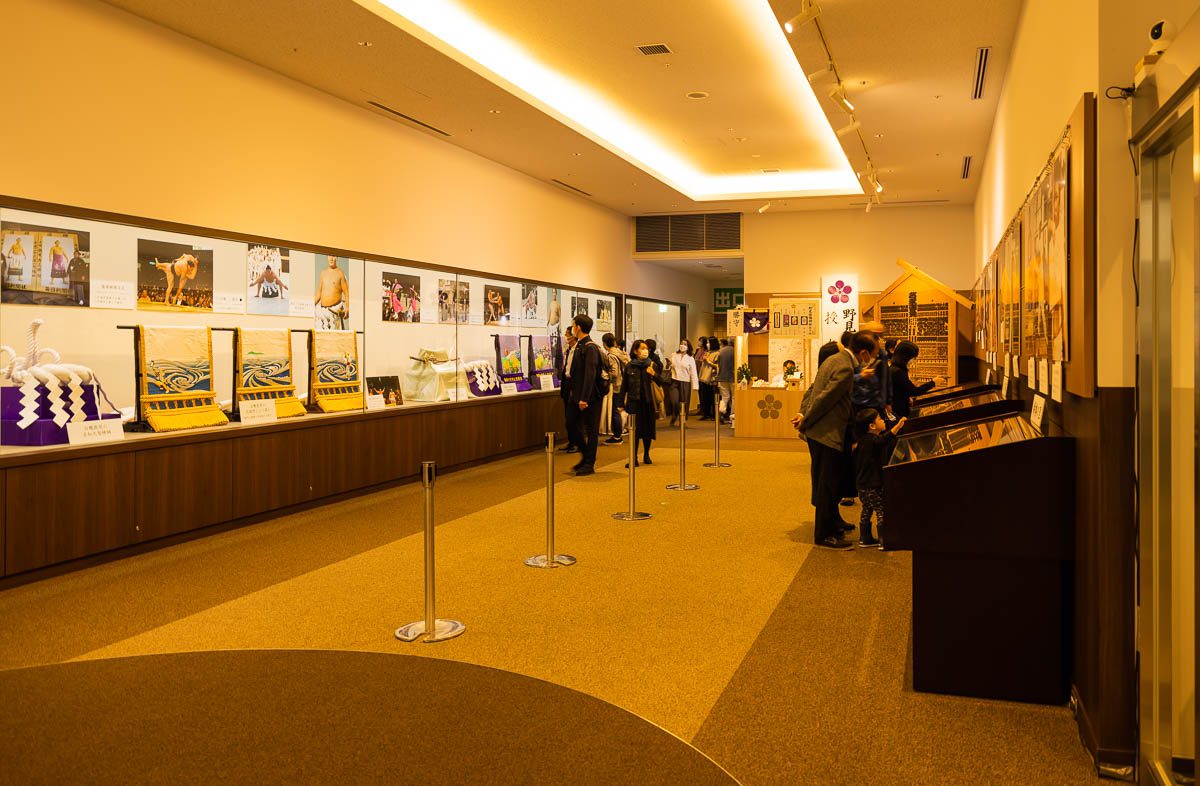
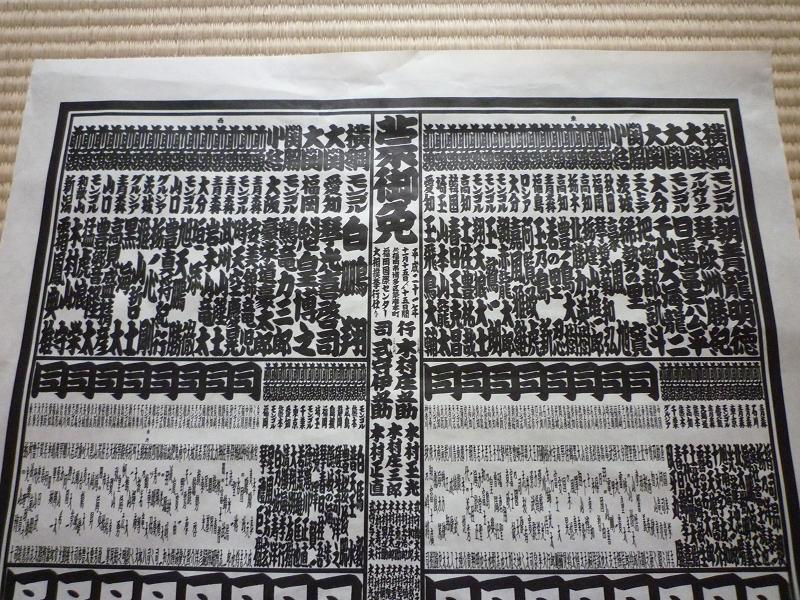
This exhibition hall features rotating displays of historical banzuke, ceremonial aprons, and artifacts from centuries of history.
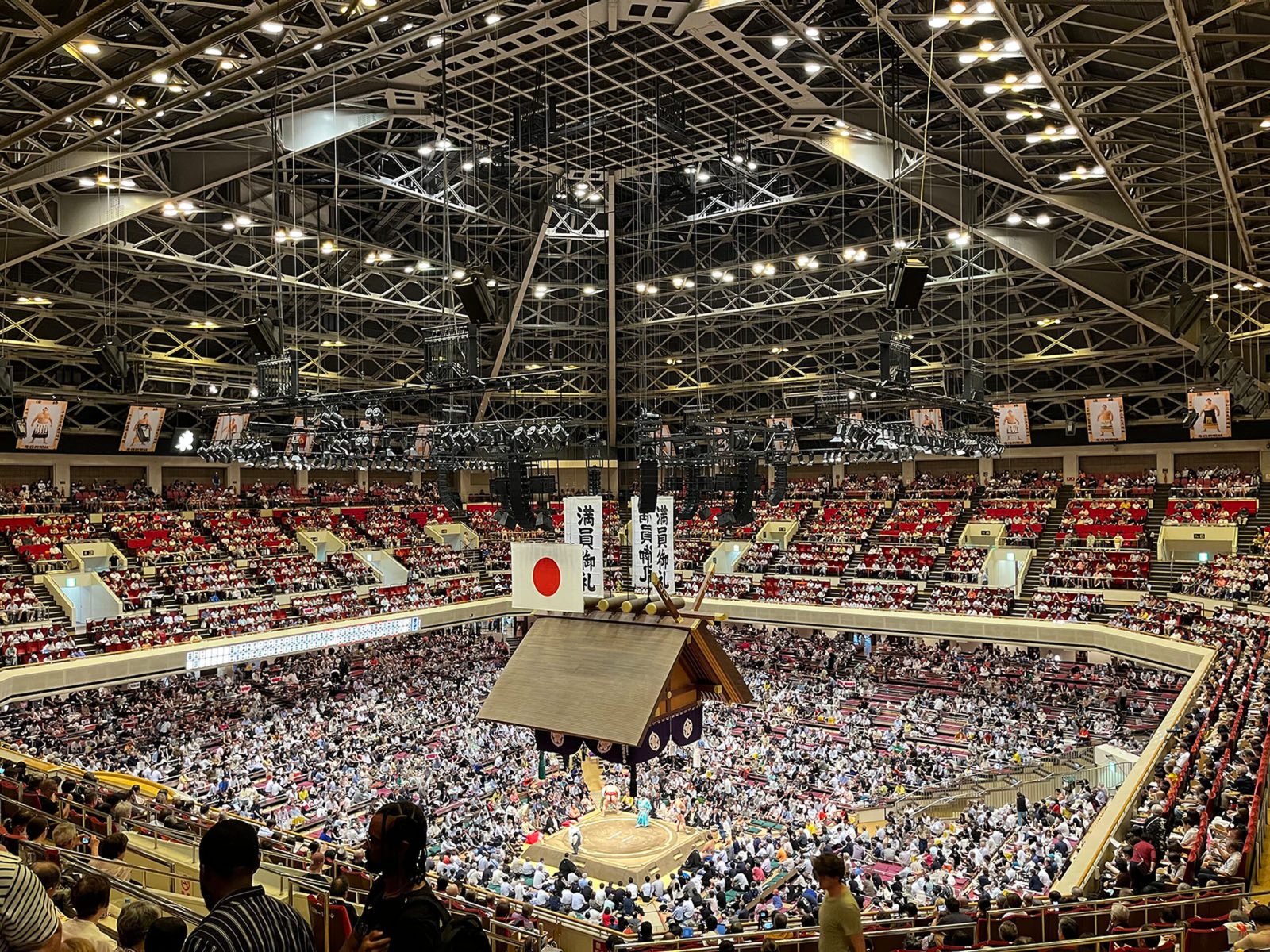
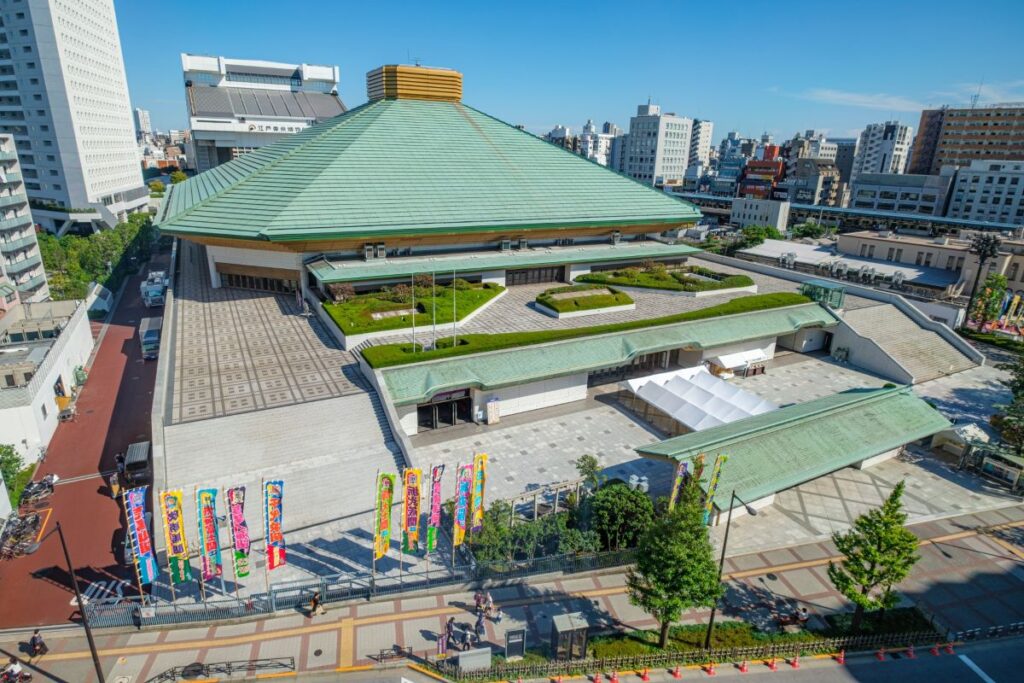
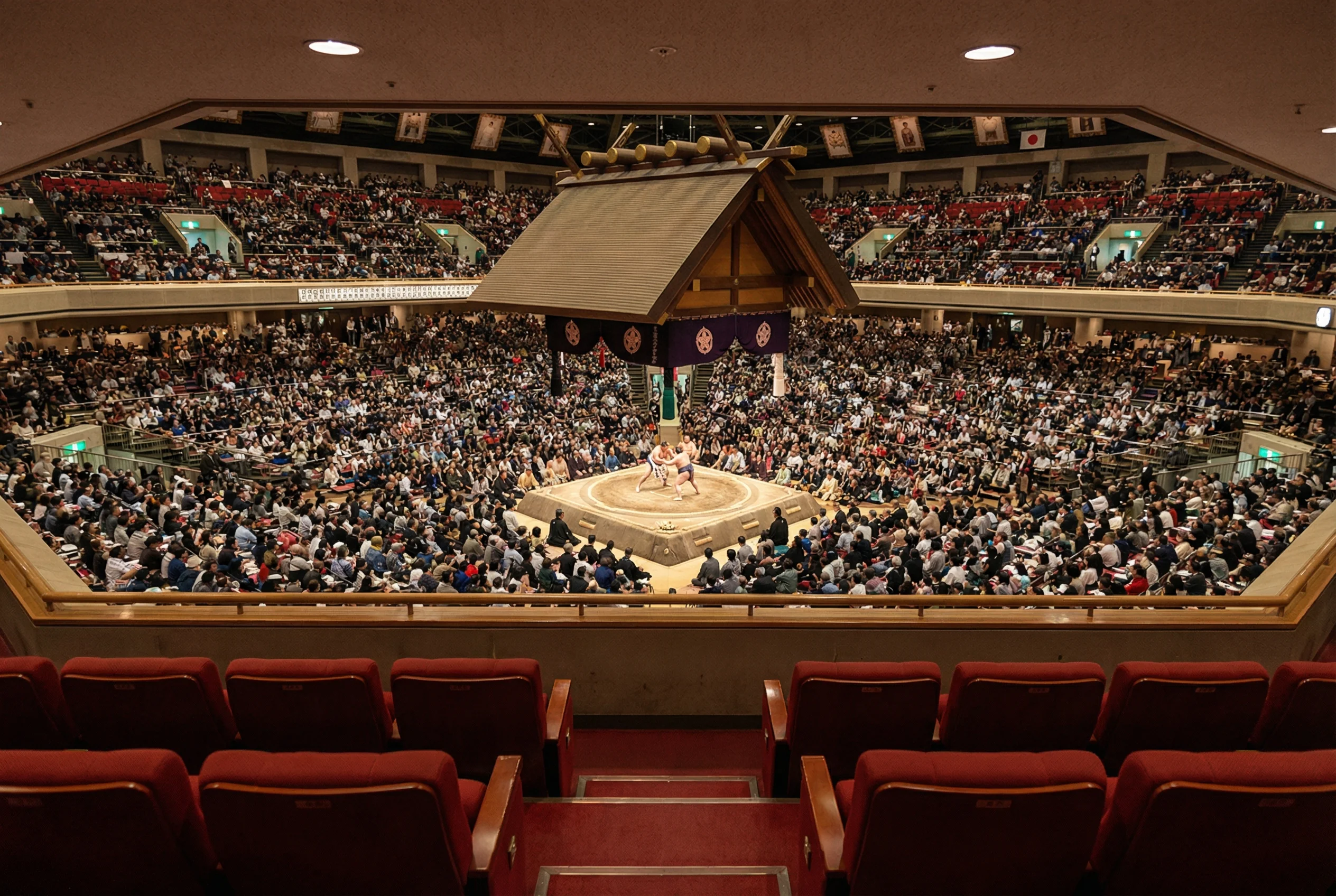
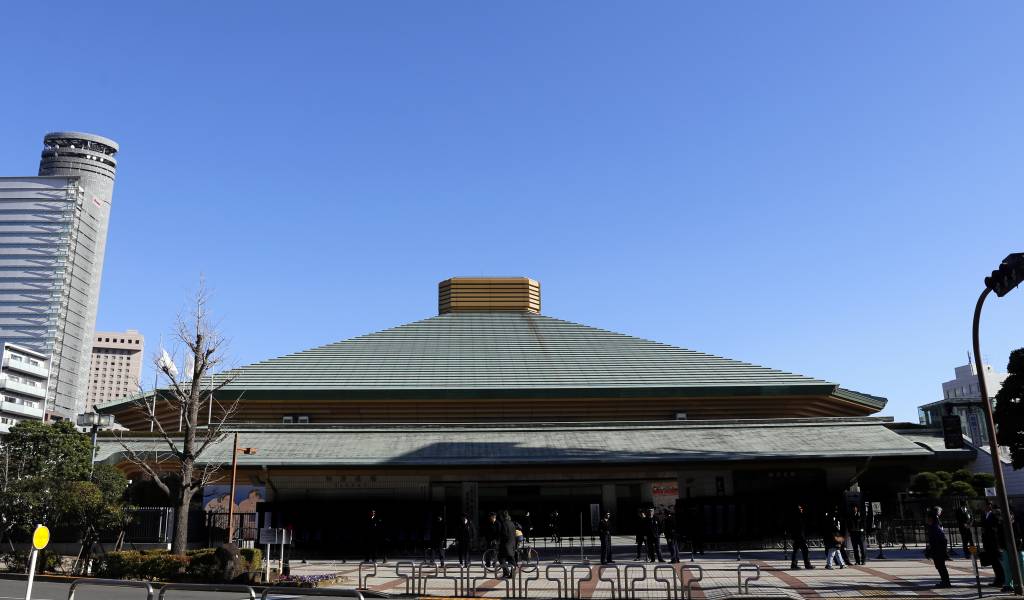
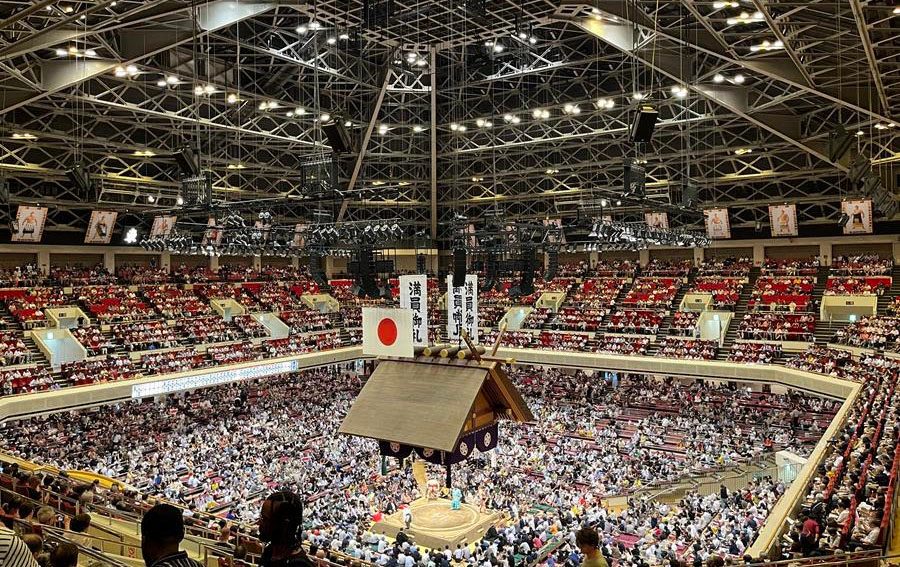
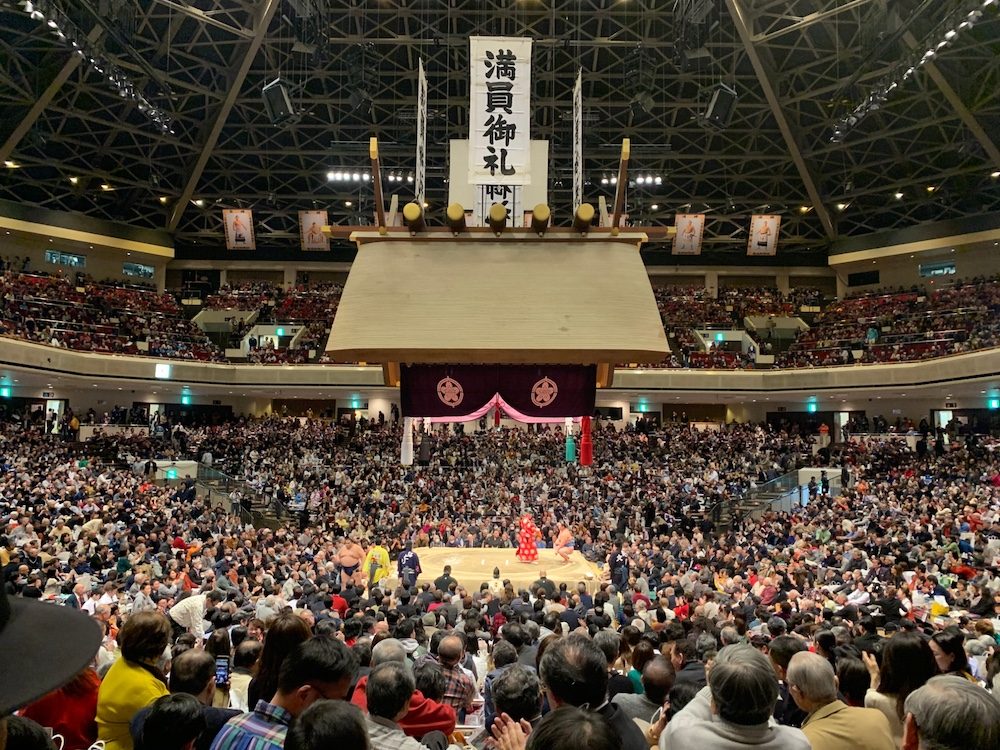
The arena features a roof suspended above the ring designed in the Shinmei-zukuri style, reflecting the architectural tradition of Ise Jingu.
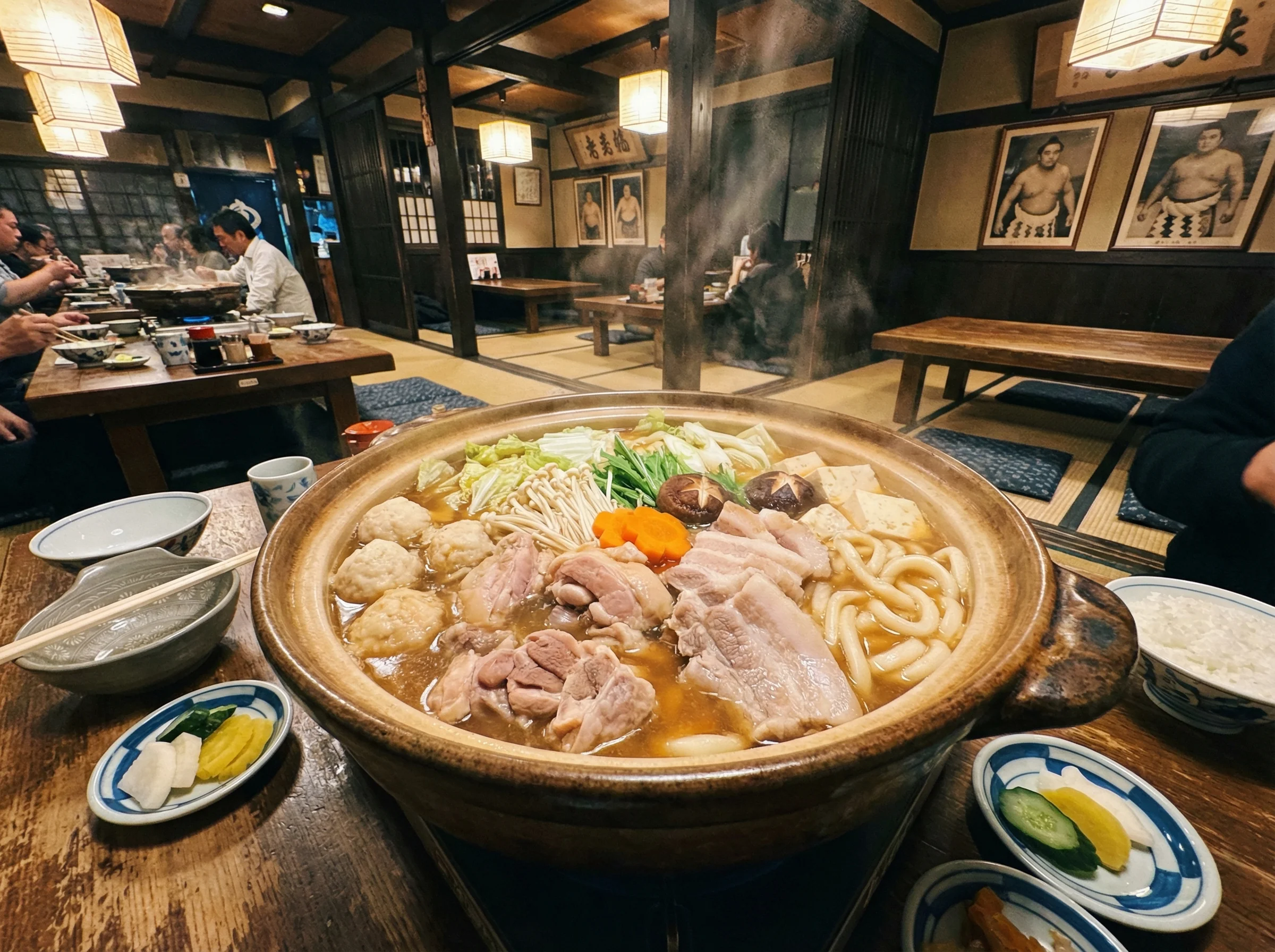
Experience the authentic protein-rich stew traditionally consumed by wrestlers, available for purchase in the basement of the Ryōgoku Kokugikan.
Traditional box seating areas sectioned in squares that accommodate four people, offering a classic view of the sumo wrestling tokyo tournament 2026.
You arrive at Ryōgoku Kokugikan by 8:45 a.m., when the doors open and lower-division wrestlers are already warming up in the practice ring behind the main hall.
The scent of chanko-nabe drifts from the arena's ground-floor restaurant as you collect your ticket—chair seats start at ¥2,500 for upper tiers, while ringside zabuton cushions require advance reservation and proximity to flying wrestlers.
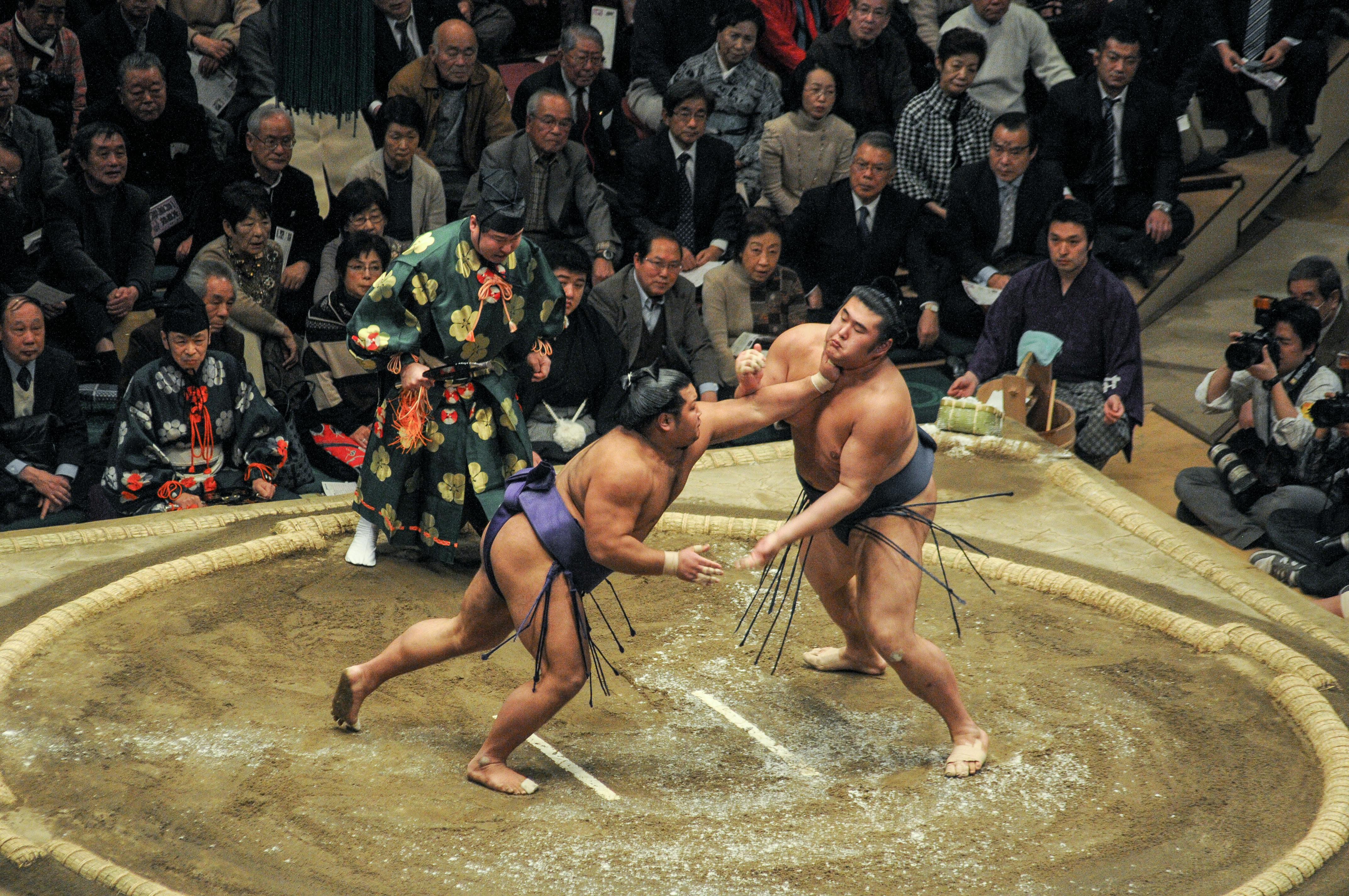
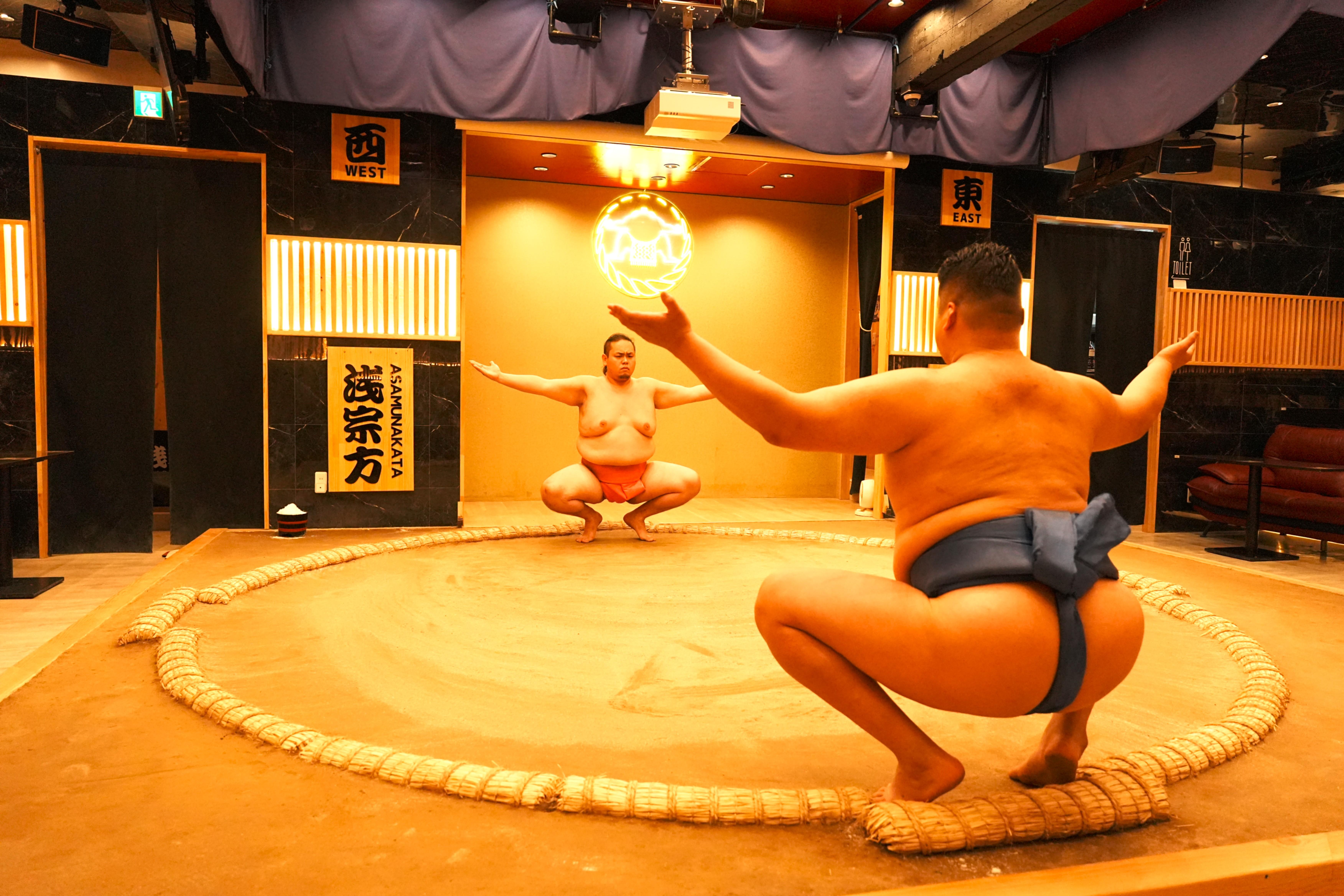
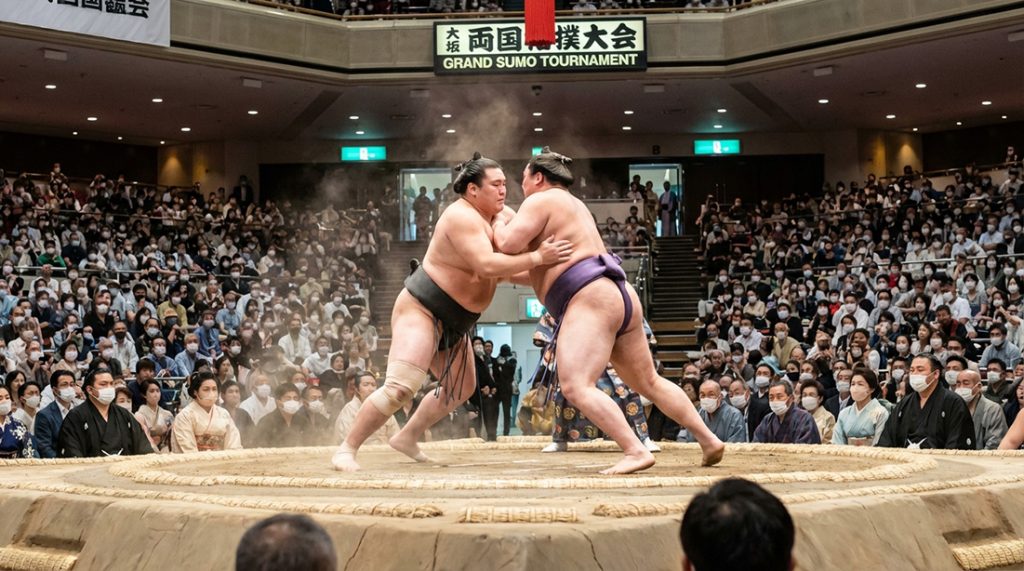
You take your seat during jonokuchi bouts, the lowest rank, where teenage apprentices compete in near-empty silence before the afternoon crowd arrives. By noon, the arena fills as juryo division matches begin, and you watch the ritual: each wrestler steps onto the dohyō, claps twice to summon the gods, raises his arms to prove he carries no weapons, then stomps to drive evil spirits through the clay. The gyōji chants their names, and after a final handful of purifying salt, both men crouch at the shikirisen starting lines.
The collision lasts four seconds—a frontal belt grip, a pivot, and a yorikiri force-out that sends the losing wrestler tumbling into the front-row cushions. You stay through the makuuchi division that begins at 4:00 p.m., when yokozuna Terunofuji performs his ring-entering ceremony, then watch him defeat a challenger with an uwatenage throw that lifts a 160-kilogram opponent off the ground. By 6:00 p.m., the final bout decides the day's standings, and you exit past the stable district where wrestlers in traditional yukata robes walk to evening practice.
All the details about your upcoming adventure in one place
Ryōgoku Kokugikan has hosted fifteen days of uninterrupted sumo combat three times annually since 1985, when the Japan Sumo Association relocated the January, May, and September tournaments from smaller venues scattered across Tokyo.
The 11,098-seat arena in Sumida ward stands four stories above ground, its copper-green roof echoing the shrine architecture that governs every element of sumo ritual. Before each bout, wrestlers scatter salt across the clay dohyō to purge impurities—a gesture descended from Shinto harvest rites performed when rice farming determined survival.
The sumo wrestling Tokyo tournament 2026 schedule follows an unbroken calendar: January's Hatsu Basho opens the year, May's Natsu Basho marks the spring climax, and September's Aki Basho closes the Tokyo season before the circuit moves to Kyushu. Each tournament runs fifteen consecutive days, Sunday through Sunday, with the championship decided by win-loss record in the final bouts on senshūraku, the concluding day. Wrestlers compete in six divisions, from jonokuchi beginners to the elite makuuchi ranks where yokozuna grand champions carry ropes woven from sacred hemp.
Ryōgoku Kokugikan's design places the dohyō at ground level, surrounded by zabuton floor cushions where spectators kneel inches from the action, then rises in tiered rows of chair seating that accommodate eight thousand additional viewers. The clay platform measures 4.55 meters in diameter, encircled by a straw-rice rope that defines the boundary—stepping outside or touching ground with any body part other than the feet results in immediate defeat. Bouts last seconds or minutes, determined by seventy-eight winning techniques recognized by the Nihon Sumo Kyokai, from yorikiri frontal force-outs to uwatenage overarm throws. Between matches, yobidashi ring attendants smooth the clay with wooden rakes and replenish the salt piles stationed at opposite corners.
Grand sumo tournaments operate on a rigid hierarchy visible in every detail: wrestlers enter the arena in order of rank, lower divisions competing from morning through early afternoon while makuuchi elites perform evening bouts broadcast across Japan. The gyōji referee wears silk robes color-coded to his seniority, and his gunbai war fan signals the victor. Chanko-nabe, the protein-rich stew that fuels wrestlers through training, originated in Ryōgoku's stable district, where thirty-eight training facilities still cluster within walking distance of the Kokugikan, perpetuating routines unchanged since the Edo period when sumo transformed from street spectacle to codified sport.

Each tournament runs fifteen consecutive days, with the championship decided by win-loss record in the final bouts on senshūraku
There is no strict dress code for the sumo wrestling tokyo tournament 2026, though smart casual is recommended. Traditional attire like kimono or yukata is encouraged for a more immersive experience.
Keep all personal items small enough to fit securely under your seat. Large suitcases are not permitted inside the seating area and should be stored in lockers at the station.
Photography is permitted during the sumo wrestling tokyo tournament 2026, provided you do not use a flash. Please ensure your equipment does not obstruct the view of other spectators.
Families are welcome, and the venue provides baby-care rooms and stroller parking. Watching the sumo wrestling tokyo tournament 2026 is an engaging cultural activity for children, provided they remain seated during matches.
The Ryōgoku Kokugikan provides facilities for guests with disabilities, including designated areas and accessible restrooms. It is advised to inquire about specific needs when purchasing your sumo wrestling tokyo tournament 2026 tickets.
Spectators may bring light refreshments, though the arena also sells traditional bento boxes, yakitori, and chanko-nabe. Please consume only within your assigned seating area at the sumo wrestling tokyo tournament 2026.
Opening hours
08:45–18:00
Address
1-3-28 Yokoami, Sumida-ku, Tokyo 130-0015, Japan
Entry
Check tournament tickets for specific entrance gates
Best arrival
08:45–14:00
Storage
Coin lockers available on lower level
Official site
https://www.sumo.or.jp/en/
Public transport · 2 min walk · Varies
Take the JR Sobu Line to Ryōgoku Station. The arena is a 2-minute walk from the West Exit.
Ticket refunds are generally not provided unless an event is officially cancelled by the Japan Sumo Association. Please refer to your specific booking agent's terms for details regarding the 2,500 JPY minimum entrance fee.
Recommended time
Full day
To experience the full atmosphere of the sumo wrestling tokyo tournament 2026, we suggest arriving during the morning hours to witness the lower-ranked matches. Securing sumo wrestling tokyo tournament 2026 tickets allows you to observe the progression of rituals and rising tension as the day moves toward the final bouts. You may choose to depart after the top-division ceremonies or stay until the conclusion to fully appreciate the tradition of these local Tokyo landmarks.
Crowd levels through the day
Weather · crowds · average price — dots go green to amber to red as each metric rises.
The Aki Basho (Autumn Tournament) offers the classic sumo wrestling tokyo tournament 2026 atmosphere. Expect warm, humid weather and high visitor attendance during this 15-day event.
Sumo wrestling tokyo tournament 2026 tickets sell out months in advance, so secure yours through official channels early.
Bring a small radio to tune into Dosukoi FM for match analysis inside the arena.
West Exit
Meeting point for many sumo wrestling tokyo tournament 2026 tours.
Get directionsThe Ryōgoku Kokugikan stands as the fourth iteration of a purpose-built sumo hall in Tokyo, opening in January 1985 after its predecessor in the same district burned down in 1917 and was never rebuilt. The Japan Sumo Association had spent decades staging tournaments in makeshift venues across the capital before commissioning architect Kiyonori Kikutake to design a permanent home. Kikutake's design seated 11,098 spectators beneath a suspension roof that evoked the sacred shimenawa rope of Shinto shrines. The building rose on land historically tied to sumo since the Edo period, when rice-bale rings were drawn in open fields near the Sumida River. Construction began in 1983 and cost approximately 15 billion yen, funded by the association's broadcast revenues and ticket sales. The venue opened two years later with the January 1985 tournament, where yokozuna Chiyonofuji secured his fifteenth championship. The Kokugikan introduced climate control, a feature absent from earlier sumo halls, and embedded a Shinto shrine beneath the dohyō to preserve ritual continuity. By 1991, the association had installed electronic scoreboards and upgraded seating tiers, though traditional zabuton floor cushions remained in premium sections. The sumo wrestling tokyo tournament 2026 continues this lineage, occupying the same hall that has hosted seventy consecutive years of January tournaments since its completion. Ryōgoku's role extends beyond sport. The building houses the Sumo Museum on its ground floor, displaying banzuke ranking sheets and ceremonial aprons dating to the eighteenth century. Tournament attendance peaked in the early 1990s, declined during match-fixing scandals in 2011, then recovered as younger wrestlers like Hakuho and Terunofuji drew renewed public interest. The 2026 tournament marks the forty-first year of operation for this structure, which remains the sole venue approved for Tokyo's three annual basho. Sumo wrestling Tokyo tournament 2026 tickets grant access to a space where tradition and infrastructure intersect, preserving centuries-old protocol within a modern concrete frame.
First Ryōgoku Kokugikan opens as Japan's initial permanent sumo venue, seating 13,000 beneath a wooden roof.
Great Kanto Earthquake destroys the second Kokugikan; sumo moves to temporary halls for decades.
Current Ryōgoku Kokugikan inaugurated in January with Chiyonofuji's championship victory, designed by Kiyonori Kikutake.
Electronic scoreboards and expanded seating installed, modernizing spectator infrastructure while retaining dohyō traditions.
Match-fixing scandal briefly reduces attendance; transparency reforms restore public confidence by mid-decade.
Facility hosts its 123rd January tournament, maintaining unbroken seasonal schedule since 1985 opening.
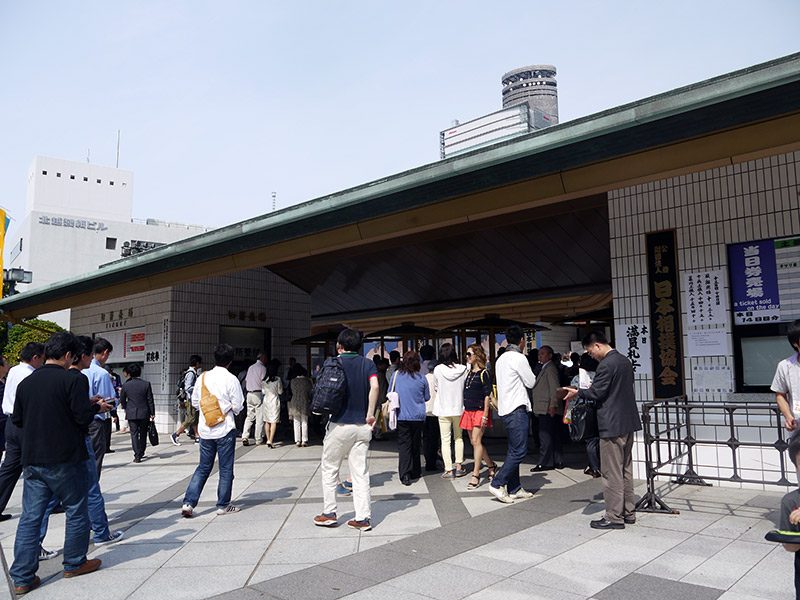
Stand at the main entrance to capture the iconic signage and the hanging banners featuring rikishi names. Position yourself slightly to the side to include the traditional architecture against the modern skyline of Sumida. It is a perfect spot to document your sumo wrestling tokyo tournament 2026 visit.
Located near the main entrance, this large wooden board displays the hand-written ranking of wrestlers. Focus on the intricate calligraphy to provide an authentic look at the hierarchy of the sport.
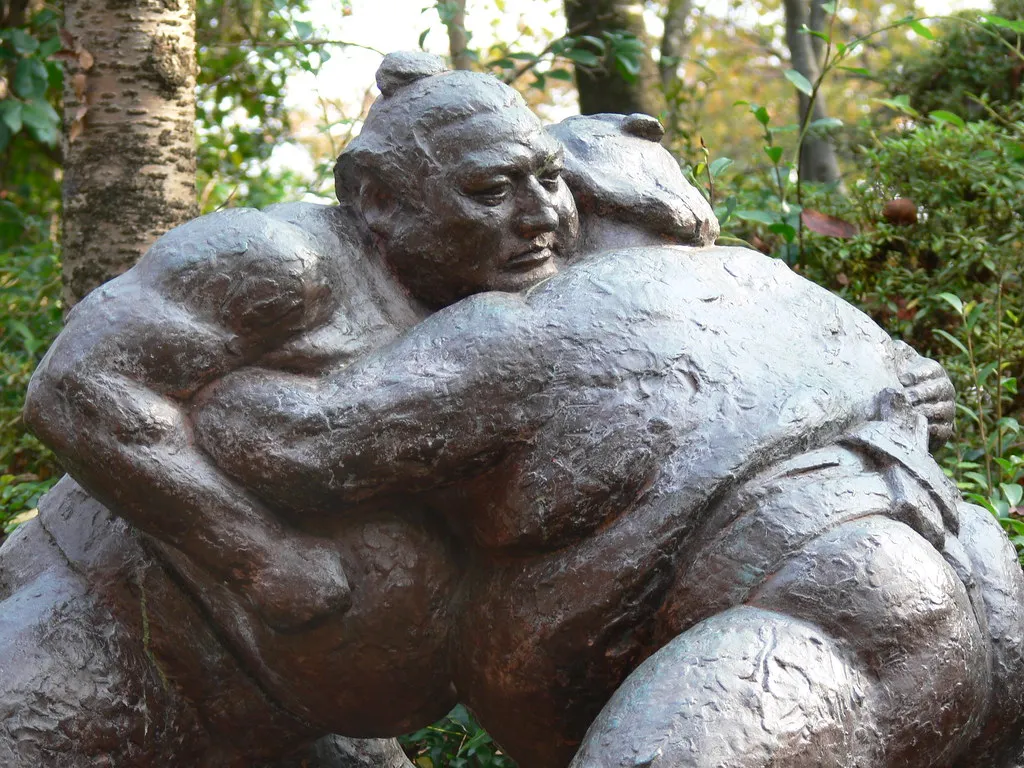
Find the bronze statues in the vicinity of the arena depicting famous wrestlers in action poses. These provide a clear subject for close-up photography outside the main hall.
From the designated spectator areas, capture the atmosphere of the grand hall with its distinctive roof design suspended over the dohyo. Ensure your camera settings account for the arena lighting to maintain clarity during the sumo wrestling tokyo tournament 2026 tour.
Capture the bustle of visitors purchasing sumo wrestling tokyo tournament 2026 tickets at the exterior counters. This angle highlights the scale of the crowds and the anticipation surrounding the matches.
Visiting the sumo wrestling tokyo tournament 2026 is a unique cultural experience that can be rewarding for families with children, provided you plan around the day's pacing. Watching the ritualistic bouts at Ryōgoku Kokugikan offers a window into Japanese tradition that captivates many young spectators.
The arena provides a designated parking area for strollers, though you should be prepared for potential crowding inside. Folding your stroller before entering or using a baby carrier can make navigating the venue much easier.
While children of all ages are welcome, the long, ceremonial nature of the event is often best suited for school-aged children who can sit for longer periods. Toddlers under four years old enter for free if they sit on a guardian's lap, which may be more comfortable for little ones than a full day in a stadium seat.
Modern restroom facilities are located throughout the building, and baby change stations are available on both floors to accommodate parents. Please carry a copy of your child's age verification document if they are under 15, as it may be requested for child-priced sumo wrestling tokyo tournament 2026 tickets.
Arrival within the recommended 08:45–14:00 window is ideal for families who want to experience the full tournament atmosphere and see early bouts. If you find the schedule daunting, consider a flexible sumo wrestling tokyo tournament 2026 tour that allows you to see the highlights without the need to stay for the entire day.
The area near the sumo wrestling tokyo tournament 2026 offers diverse culinary options, ranging from traditional wrestler's stew inside the venue to historic establishments throughout Ryōgoku. Securing sumo wrestling tokyo tournament 2026 tickets allows you to explore these local flavors between bouts at the Ryōgoku Kokugikan.
Specializing in the protein-rich stew essential to a rikishi diet, this local favorite offers an authentic taste of sumo culture. It is best to reserve ahead, as this spot is popular with spectators after a sumo wrestling tokyo tournament 2026 tour.
Everything you need to know for your journey
The 2026 autumn tournament takes place from September 13 to September 27 at the Ryōgoku Kokugikan.
Tickets for the sumo wrestling tokyo tournament 2026 are high in demand; it is best to check the official Japan Sumo Association site for current availability.
The lowest price for an adult chair seat is 2,500 JPY per person.
Yes, you may bring light refreshments to enjoy at the Ryōgoku Kokugikan during the sumo wrestling tokyo tournament 2026.
Photography is allowed during the sumo wrestling tokyo tournament 2026, but flash is strictly prohibited.
The Ryōgoku Kokugikan is a 2-minute walk from the JR Ryōgoku Station West Exit.
Yes, options range from ringside tamari-seki to traditional masu-seki boxes and standard chair seats for the sumo wrestling tokyo tournament 2026.
The sumo wrestling tokyo tournament 2026 is an excellent family activity with accessible amenities inside the Ryōgoku Kokugikan.
Store large luggage in lockers at the station as it will not fit in your seat at the Ryōgoku Kokugikan.
Displays historical banzuke and artifacts.
Convenient hotel located near the station.
Join thousands of happy travelers who have discovered this incredible experience
Book Your Experience Now